
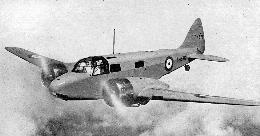
| DATOS TÉCNICOS (Aispeed AS.10 Oxford Mk I) |
TECHNICAL DATA (Aispeed AS.10 Oxford Mk I) |
| TIPO:Entrenador. | TYPE:Training aircraft. |
| TRIPULANTES:3 | CREW:3 |
| ENVERGADURA:16,26 m. | SPAN:53.4 ft. |
| LONGITUD:10,52 m. | LENGTH:34.6 ft. |
| ALTURA:3,38 m. | HEIGHT:11.1 ft. |
| SUPERFICIE ALAR:32,3 m². | WING AREA:348 ft². |
| PESO EN VACÍO:2.414 m. | EMPTY WEIGHT: 5,322 lb. |
| MOTOR:Dos motores radiales Armstrong Siddeley Cheetah X de 350 hp (260 kW) cada uno. | ENGINE:Two Armstrong Siddeley Cheetah X radial engines developing 350 hp (260 kW) each. |
ARMAMENTO:
|
ARMAMENT:
|
| VELOCIDAD MÁX.:309 km/h. | MAX. SPEED:192 mph. |
| TECHO:7.180 m. | CEILING:23,550 ft. |
| ALCANCE:1.127 km. | RANGE:700 mi. |
| PRIMER VUELO:19 de junio de 1937. | FIRST FLIGHT:19 June 1937 |
| VERSIONES:11 | VERSIONS:11 |
| CONSTRUIDOS:8,586 (Todos los modelos) | BUILT:8,586 (All vesions) |
Fundada en 1931, Airspeed tenía pocas posibilidades de obtener un contrato militar importante en sus primeros años. Sin embargo, en 1936, la compañía tuvo la oportunidad de presentar una propuesta para cumplir con la Especificación T.23/36 del Ministerio del Aire británico, que solicitaba un entrenador bimotor. El diseño de Airspeed se basó en el exitoso AS.6 Envoy, del cual unos 24 ya estaban en uso civil y se labraban una reputación de fiabilidad, lo que, posiblemente, contribuyó a la decisión del Ministerio del Aire de encargar una cantidad inicial de 136 AS.10.
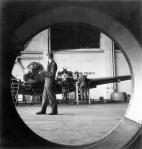
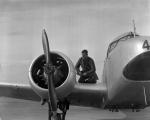
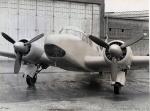
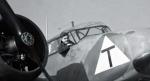
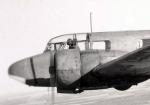
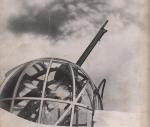
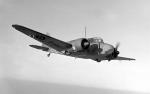
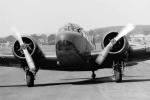
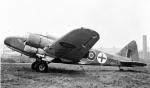
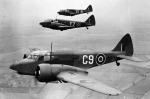
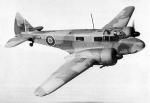
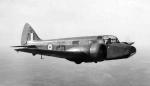
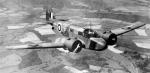
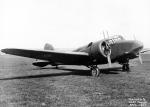
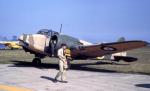
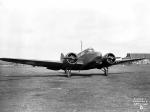
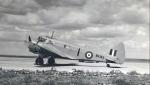
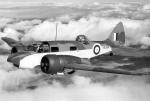
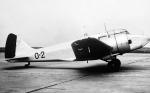
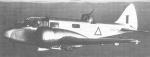
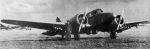
El prototipo AS.10, que entonces ya llevaba el nombre de Oxford, realizó su primer vuelo el 19 de junio de 1937, y las primeras entregas comenzaron en noviembre de ese año: cuatro de los seis primeros aparatos se destinaron a la Escuela Central de Vuelo de la RAF y los otros dos a la Escuela de Entrenamiento de Vuelo Nº 11. Muy similar en proporciones y configuración al AS.6 Envoy, compartía también su construcción de madera, tren de aterrizaje retráctil de rueda de cola y fuselaje básico. Las variaciones se produjeron en el motor, el diseño interno y, en el Oxford I, en la instalación de una torreta Armstrong Whitworth con una ametralladora para el entrenamiento de artilleros.
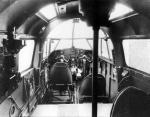
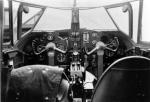
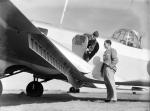
El Oxford se construiría en grandes cantidades y se usaría ampliamente para el Programa de Entrenamiento Aéreo de la Commonwealth al comienzo de la Segunda Guerra Mundial. La gran atención que Airspeed había puesto en sus diseños internos indudablemente influyó en la demanda de este avión. El alojamiento normal era para una tripulación de tres personas a la vez, pero además de asientos para piloto/alumno y copiloto/instructor, había posiciones para el entrenamiento del artillero, bombardero, operador de cámara, navegante y operador de radio. El control dual se instalaba de serie, lo que hacía al Oxford adecuado para su uso como entrenador bimotor; sin el control dual en la posición del copiloto, un bombardero podía colocarse boca abajo y lanzar bombas de humo de práctica que se transportaban en el hueco de la sección central; o el asiento podía deslizarse hacia atrás para instalar una mesa de mapas, articulada al lateral del fuselaje, para un navegante en prácticas; un asiento orientado hacia atrás, detrás de la posición del copiloto, era empleado por el operador de radio. El Oxford I incluía una torreta para el entrenamiento de artilleros. También disponía de una capota para el entrenamiento de instrumentos de vuelo.
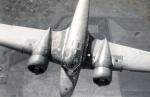
La planta motriz variaba según el modelo. El Mark I, un entrenador de bombardeo y artillero de propósito general, y el Mk II, un entrenador de pilotos, operadores de radio y navegantes, contaban con dos motores radiales Armstrong Siddeley Cheetah X de 375 hp (280 kW) y hélices de paso fijo. El MK V, equipado para la misma función que el Mk II, contaba con dos motores radiales Pratt & Whitney R-985-AN6 de 450 hp (336 kW) que impulsaban hélices de velocidad constante. El Oxford Mk III, del que solo se construyó un ejemplar, contaba con dos radiales Cheetah XV de 425 hp (317 kW) y hélices de velocidad constante Rotol; el Mk IV fue una versión de entrenamiento proyectada a partir del Mk III, pero no llegó a fabricarse. Un Mk II se equipó experimentalmente con dos motores en línea de Havilland Gipsy Queen de 250 hp (186 kW). Entre las variantes más curiosas se encontraba un Oxford I inicial equipado con un tren de aterrizaje especial McLaren, cuyas unidades principales podían desplazarse para soportar un grado razonable de viento cruzado tanto en el despegue como en el aterrizaje, y otro con una unidad de cola que incluía dos aletas y timones, instalados especialmente para una serie de pruebas de recuperación en barrena.
Como se ha mencionado antes, el estallido de la Segunda Guerra Mundial generó una enorme demanda de estos entrenadores, no sólo para la RAF, sino también para las naciones participantes en el Programa de Entrenamiento Aéreo de la Commonwealth. Entre ellas se encontraban Australia (casi 400 Oxford), Canadá (200), Nueva Zelanda (300), Rodesia (10) y Sudáfrica (700). También se cedieron ejemplares a la Fuerza Aérea Francesa Libre y, mediante el programa de Préstamo y Arriendo inverso, varios fueron utilizados por unidades de la USAAF en Europa. Además de emplearse como entrenadores, algunos fueron equipados para servir como ambulancias aéreas, para la calibración de radares y para comunicaciones. Muchos sirvieron en escuadrones de cooperación antiaérea, incluyendo los n.º 285, 286, 290, 567, 577, 598, 631, 667 y 691. El Brazo Aéreo de la Flota también contaba con una unidad de entrenamiento, el Escuadrón de Vuelo Instrumental n.º 758, equipado con Oxford desde junio de 1942.
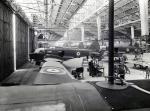
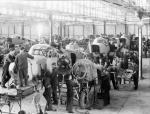
La demanda de Oxford superó la capacidad productiva de Airspeed, que construyó un total de 4.411 en Portsmouth Hants y 550 en Christchurch Hants. Otras unidades fueron construidas por De Havilland en Hatfield (1.515), Percival Aircraft en Luton (1.360) y Standard Motors en Coventry (750), para un total de 8.586. Airspeed construyó su último ejemplar en julio de 1945, y el Oxford permaneció en servicio en la Escuela de Entrenamiento de Vuelo Avanzado Nº 10 de la RAF, en Pershore, hasta 1954. Muchos fueron suministrados después de la guerra a la fuerza aérea holandesa.
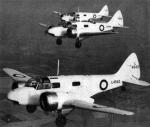
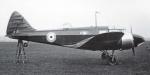
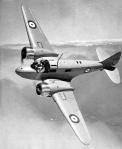
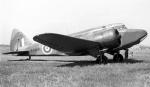
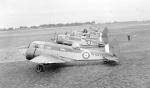
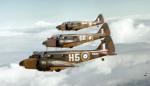
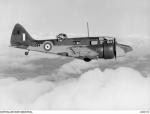
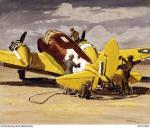
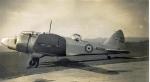
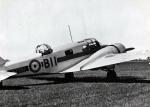
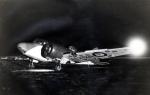
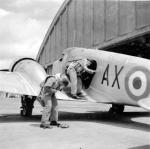
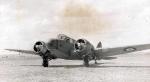
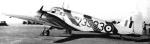
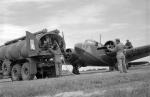
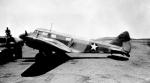
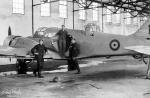
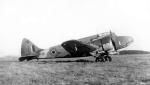
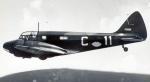
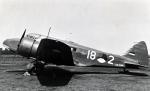
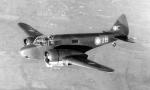
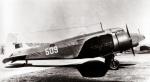
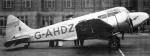
Established in 1931, Airspeed had little prospect of obtaining a significant military contract in its early years. However, in 1936 the company was given the opportunity of submitting a proposal to meet Air Ministry Specification T.23/36, which called for a twin-engine trainer. Airspeed’s design for this was based on the successful AS.6 Envoy, of which about 24 were already in civil use and earning a reputation for reliability, which, possibly, may have helped the Air Ministry’s decision to order an initial quantity of 136 AS.10s.
The prototype AS.10, by then bearing the name Oxford, made its first flight on 19 June 1937, and token deliveries began in November of that year, with four of the first six going to the RAF’s Central Flying School, the other two to No. 11 Flying Training School. Very similar in overall proportions and configuration to the AS.6 Envoy, it shared also its wooden construction, tailwheel type retractable landing gear and basic airframe. The variations came in powerplant, internal layout and, in the Oxford I, provision of an Armstrong Whitworth gun turret with one machine-gun for the training of air gunners.
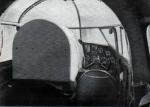
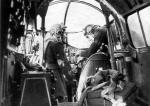
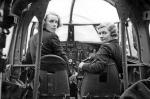
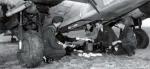
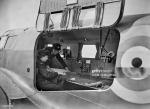
The Oxford was to be built in large numbers and used extensively for the Commonwealth Air Training Scheme when World War II began, and the considerable thought which Airspeed had put into its internal layouts undoubtedly had a bearing on the demand for this aircraft. Normal accommodation was for a crew of three at any one time, but in addition to seats for a pilot/pupil and co-pilot/instructor, there were positions for the training of an air-gunner, bomb-aimer, camera operator, navigator, and radio-operator. Dual control were standard, making the Oxford suitable for use as a twin-engined trainer; with the dual control set removed from the co-pilot’s position a bomb aimer could take up a prone position and drop smoke practice bombs which were carried in the centre-section well; or the seat could be slid back and a chart table, hinged to the fuselage side, erected for use by a trainee navigator; an aft facing seat behind the co-pilot position was available for a radio operator; and, in the Oxford I, a turret was provided for an air-gunner’s training. A hood was also available so that the Oxford could be used for instrument training.
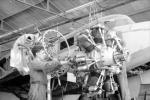
Powerplant varied according to mark. The Mark I, a general-purpose, bombing and gunnery trainer and the Mk II pilot, radio operator and navigator trainer were both powered by two 375hp (280kW) Armstrong Siddeley Cheetah X radial engines, with fixed-pitched propellers. The MK V, equipped for the same role as the Mk II, had two 450hp (336kW) Pratt & Whitney R-985-AN6 radial engines, driving constant-speed propellers. The Oxford Mk III, of which only a single example was built, had two 425hp (317kW) Cheetah XV radials and Rotol constant-speed propellers; the Mk IV was a projected trainer version of the Mk III, but none was built. One example of a Mk II aircraft was fitted experimentally with two 250hp (186kW) de Havilland Gipsy Queen inline engines. Odd variants included an early Oxford I equipped with special McLaren landing gear, the main units of which could be offset to cater for a reasonably degree of cross-wind at both take-off and landing, and one with a tail unit which included twin endplate fins and rudders, especially installed for a series of spin recovery tests.
As mentioned above, the outbreak of World War II created an enormous demand for these trainers, not only for use of the RAF, but by those nations which were involved in the Commonwealth Air Training Scheme. These included Australia (nearly 400 Oxfords), Canada (200), New Zealand (300), Rhodesia (10), and South Africa (700). Examples went also to the Free French air force and, under reverse Lend-Lease, a number were used by USAAF units in Europe. In addition to their use for training purposes, a number were equipped to serve as air ambulances, for radar calibration, and for communication. Many served with anti-aircraft co-operation squadrons, these including Nos. 285, 286, 290, 567, 577, 598, 631, 667 and 691. The Fleet Air Arm also had one training unit, No. 758 Instrument Flying Squadron, equipped with Oxfords from June 1942.
The demand for Oxfords was beyond Airspeed’s productive capacity, the company building a total of 4,411 at Portsmouth Hants and 550 at Christchurch Hants. Othe construction was by de Havilland at Hatfield (1,515), Percival Aircraft at Luton (1,360), and Standard Motors at Coventry (750), to give a grand total of 8,586. Airspeed built its last example in July 1945, and the Oxford remained in service with the RAF No. 10 Advanced Flying Training School, Pershore, until 1954. Many were supplied after the war to the Dutch air force.
FUENTES Y REFERENCIA – SOURCES & REFERENCE
David Mondey (compiler), Concise Guide to British Aircraft of World War II, Temple Press, 1984.
aviadejavu.ru
Ugolok Neba
belgian-wings.be
Australian War Memorial
©jmodels.net
 jmodels.net
Debe estar conectado para enviar un comentario.