

| DATOS TÉCNICOS (Motor Lynx IVC) |
TECHNICAL DATA (Lynx IVC engine) |
| TIPO:Avión multifunción y entrenador. | TYPE:Multi-purpose and trainer aircraft. |
| TRIPULANTES:2 | CREW:2 |
| ENVERGADURA:10,36 m. | SPAN:34 ft. |
| LONGITUD:8,08 m. | LENGTH:26.6 ft. |
| ALTURA:2,92 m. | HEIGHT:9.7 ft. |
| SUPERFICIE ALAR:28 m². | WING AREA:300 ft². |
| PESO EN VACÍO:801 kg. | EMPTY WEIGHT:1,765 lb. |
| MOTOR:Un motor radial de 7 cilindros Armstrong Siddeley Lynx IVC de 210 hp. (160 kW) con hélice bipala de paso constante. | ENGINE:One Armstrong Siddeley Lynx IVC 7-cylinder air-cooled radial piston engine developing 210 hp (160 kW) and driving a 2-bladed fixed-pitch propeller. |
| VELOCIDAD MÁX.:180 km/h. | MAX. SPEED:112 mph (180 km/h |
| TECHO:4.500 m. | CEILING:14,800 ft. |
| ALCANCE:390 km. (210 mil. náut.). | RANGE:240 mi (210 nm). |
| PRIMER VUELO:1930 | FIRST FLIGHT:1930 |
| VERSIONES:4 | VERSIONS:4 |
| CONSTRUIDOS:198 | BUILT:198 |
El Avro 626 Prefect fue un avión de entrenamiento multifunción desarrollado por la empresa inglesa Avro (A.V. Roe and Co Ltd). El primer vuelo del prototipo tuvo lugar en 1930. El avión era una versión modificada del Avro 621 Tutor, propulsado por un motor Armstrong Siddeley Cheetah V que desarrollaba 280 CV. El Avro 626 se fabricó en dos modelos: con ruedas y con flotador y estaba destinado principalmente a escuelas de vuelo. Además, el avión podría utilizarse como avión ligero de comunicaciones y reconocimiento. En estas versiones, el avión tenía la posibilidad de equipar un tercer asiento en la cabina trasera e instalar una ametralladora. Los aviones se produjeron entre 1931 y 1939 y se suministraron a muchos países, incluidos Bélgica, Portugal, Chile y Nueva Zelanda. El Avro 626 participó en la Segunda Guerra Mundial y permaneció en servicio hasta 1945. Se produjeron un total de 198 ejemplares de este avión.
Aprovechando el gran interés de los clientes extranjeros por el avión, Avro creó el modelo Avro Prefect para la Fuerza Aérea Británica. El avión era un modelo híbrido del Avro 621 y Avro 626 desarrollado según la especificación 32/34 (avión de entrenamiento de navegación aérea) con un motor Armstrong Siddeley Lynx IVC. Se encargaron y entregaron 7 aviones en 1935 a la Escuela de Navegación Aérea de Andover. Al igual que el Avro 626, los Prefect se utilizaron como aviones auxiliares en la Segunda Guerra Mundial.
También hubo una modificación del avión con depósitos de combustible agrandados, denominada Avro 637. El avión se utilizó en varios países como avión de patrulla ligero para proteger la zona costera.

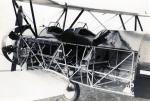


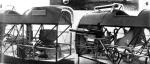

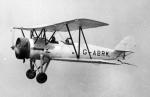
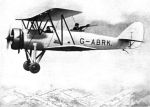

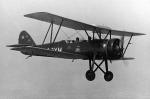


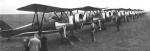
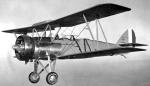
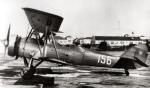
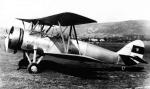

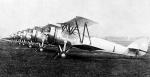


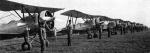


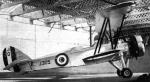


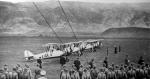


The Avro 626 Prefect was a multi-role trainer aircraft developed by the English company Avro (A.V. Roe and Co Ltd). The first flight of the prototype took place in 1930. The aircraft was a modified version of the Avro 621 Tutor, powered by an Armstrong Siddeley Cheetah V engine developing 280 hp. The Avro 626 was produced in two types – wheeled and float-mounted and was intended mainly for flight schools. In addition, the aircraft could be used as a communications and light reconnaissance aircraft. In these versions, the aircraft had the possibility of equipping a third seat in the rear cockpit and installing a machine gun. The aircraft were produced from 1931 to 1939 and were supplied to many countries, including Belgium, Portugal, Chile and New Zealand. The Avro 626 took part in World War II and remained in service until 1945. A total of 198 copies of this aircraft were produced.
Taking advantage of the great interest in the aircraft from foreign customers, Avro created the Avro Prefect model for the British Air Force. The aircraft was a hybrid model of the Avro 621 and Avro 626 developed to specification 32/34 (air navigation trainer aircraft) with an Armstrong Siddeley Lynx IVC engine. 7 aircraft were ordered and delivered in 1935 to the School of Air Navigation at Andover. Just like the Avro 626, Prefects were used in the role of auxiliary aircraft in World War II.
There was also a modification of the aircraft with enlarged fuel tanks, designated Avro 637. The aircraft was used in several countries as a light patrol aircraft to protect the coastal zone.
FUENTES Y REFERENCIA – SOURCES & REFERENCE
Ugolok Neba
©jmodels.net
 jmodels.net
Debe estar conectado para enviar un comentario.