
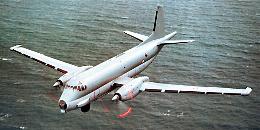
| DATOS TÉCNICOS (Br.1150 Atlantic 2) |
TECHNICAL DATA (Br.1150 Atlantic 2) |
| TIPO:Avión de patrulla marítima. | TYPE:Maritime patrol aircraft. |
| TRIPULANTES:12 | CREW:12 |
| ENVERGADURA:37,42 m. | SPAN:122.9 ft. |
| LONGITUD:31,62 m. | LENGTH:103.9 ft. |
| ALTURA:10,89 m. | HEIGHT:35.9 ft. |
| SUPERFICIE ALAR:120,34 m². | WING AREA:1,295.3 ft². |
| PESO EN VACÍO:25.700 kg. | EMPTY WEIGHT:56,659 lb. |
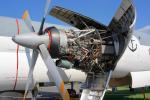
| MOTOR:Dos motores turbohélice Rolls-Royce Tyne RTy.20 Mk 21 de 6.100 caballos al eje (4.500 kW) cada uno (equivalente). | ENGINE:Two Rolls-Royce Tyne RTy.20 Mk 21 2-spool turboprop engines providing 6,100 shp. (4,500 kW) each (equivalent). |
ARMAMENTO:
|
ARMAMENT:
|
| VELOCIDAD MÁX.:648 km/h. | MAX. SPEED:403 mph. |
| TECHO:9.145 m. | CEILING:30,003 ft. |
| ALCANCE:9.075 km. (18 horas). | RANGE:668 ml. (18 hours). |
| PRIMER VUELO:21 de octubre de 1961. | FIRST FLIGHT:21 October 1961. |
| VERSIONES:3 | VERSIONS:3 |
| CONSTRUIDOS:115 (Atlantic 1 y 2). | BUILT:115 (Atlantic 1 and 2). |
Hacia la segunda mitad de los años 50, la OTAN identificó la necesidad de un nuevo avión de patrulla marítima (APM) de largo alcance para contrarrestar las nuevas amenazas marítimas de la Guerra Fría en las aguas de Europa occidental.
La OTAN emitió una especificación para un avión de este tipo en 1958 y, de los 21 diseños presentados para cumplirla, el Breguet Br.1150 Atlantic de Francia fue seleccionado por unanimidad como ganador.
Aunque de origen francés, el Br.1150 formaría el corazón de un consorcio multinacional conocido como SECBAT (Société d’Étude et de Construction de Breguet Atlantic) que, cuando se estableció en 1961, estaba compuesto inicialmente por empresas de Bélgica, Francia, Países Bajos y Alemania Occidental. Dos empresas de Italia se unirían al grupo a fines de la década de 1960. En Francia, Dassault adquirió el Atlantic a través de una fusión con Breguet en la década de 1970.
En la historia del desarrollo del APM, el Atlantic tiene la distinción de ser el primer avión de este tipo en el mundo diseñado para este propósito desde cero. El avión no tenía ascendencia de bombarderos o aviones de pasajeros como suelen ser la mayoría de estos aviones.
El Atlantic también fue significativo por ser el primer proyecto de avión multinacional de su categoría y escala dentro de la OTAN. Como tal, tuvo la importancia de mostrar que las naciones que habían sido competidoras menos de dos décadas antes habían hecho las paces y podían cooperar.
El prototipo del Atlantic voló por primera vez en octubre de 1961 con la entrega de las primeros aviones estándar de producción, denominados ATL.1, a las armadas francesa y alemana occidental a partir de 1965 y continuando hasta 1968.
Al comienzo del programa, solo Francia y Alemania estaban interesadas en adquirir un avión real para el servicio. Los intereses belgas y holandeses se centraron en llevar trabajo a sus respectivas industrias nacionales de aviación.
Holanda solo mostró interés en comprar una flota de Atlantic en 1968, justo cuando la línea de producción estaba a punto de cerrarse. El interés en el avión como APM para el ejército italiano se mostró en el mismo período de tiempo. Los intereses combinados de las dos naciones más el deseo de dos empresas italianas de unirse al consorcio SECBAT fue suficiente para mantener la línea de producción abierta hasta 1974 para producir un segundo lote de aviones con el estándar ATL.1.
Si bien el ATL.1 fue diseñado con la intención de ser utilizado ampliamente entre las naciones de la OTAN, solo cuatro estados miembros finalmente lo usaron. Fuera de la OTAN, el único usuario fue Pakistán.
Los holandeses utilizaron una flota de nueve Atlantic desde 1969 hasta 1984 y, finalmente, vendieron seis de los aviones a Francia en ese período. Posteriormente, Francia renovó tres de los antiguos aviones holandeses y los vendió a Pakistán en 1976. La decisión de retirar los Atlantic holandeses y reemplazarlos con el Lockheed P-3 Orion surgió de una serie de tres accidentes a fines de la década de 1970 y principios de la de 1980. que eran atribuibles a problemas en las bisagras de control de los elevadores y de corrosión en curso.
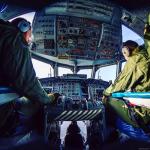
A fines de la década de 1970, Francia propuso una variación actualizada del Atlantic. El nuevo avión, finalmente designado ATL.2, tomó el diseño básico de ATL.1 y agregó una aleta de cola modificada y un conjunto de aviónica y sensores completamente actualizados.
El ATL.2 voló por primera vez en 1981 y la producción comenzó en 1984. El primer ATL.2 se entregó a la marina francesa en 1989 y se construyeron un total de 28. Alemania consideró la posibilidad de comprar el ATL.2 a principios de la década de 1990, pero finalmente optó por comprar el P-3 Orion holandés usado en 2004. Como tal, el ATL.2 es utilizado exclusivamente por Francia, aunque parte de su tecnología se utilizó para actualizar la flota italiana de ATL.1.
En la década de 1990 se propuso una tercera generación del Atlantic, el ATL.3. Incluía una cabina de vuelo moderna, nuevos motores y nuevas hélices, entre otras mejoras. El ATL.3 no generó mucho interés y fue cancelado en 2005.
Si bien es una plataforma de patrulla marítima y antibuque por su diseño, el Atlantic se ha alternado como transporte, bombardero, plataforma de inteligencia electrónica y puesto de mando aerotransportado a lo largo de su vida operativa.
Durante las primeras etapas de la Operación Épervier, una operación que duró de 1986 a 2014 y que Francia puso en marcha inicialmente para contrarrestar las incursiones militares libias en Chad, se utilizó como puesto de mando aerotransportado por marina francesa equipado para la recopilación de datos de inteligencia. En esas misiones, la aeronave pudo interceptar y decodificar rápidamente las señales militares libias y guiar con precisión las acciones contra ellas.
Durante la década de 1990, los Atlantic de la armada alemana equipados para la recopilación de inteligencia se utilizaron para monitorear las comunicaciones y hacer cumplir el embargo de las Naciones Unidas contra Yugoslavia.
Durante las etapas finales de la Guerra de Kosovo, que duró desde febrero de 1998 hasta junio de 1999, los Atlantic de las armadas francesa y alemana se utilizaron para vuelos de vigilancia sobre el área de batalla.Un conflicto más pequeño ocurrido en 1999 fue la Guerra de Kargil entre India y Pakistán que duró de mayo a julio de ese año. Aproximadamente un mes después de que terminara la guerra, un Atlantic de la armada paquistaní ingresó al espacio aéreo indio y posteriormente fue interceptado y derribado por un par de cazas indios MiG-21.
El accidente del vuelo 447 de Air France en junio de 2009 puso en primer plano la función de búsqueda y rescate del Atlantic cuando Francia envió varias de las aeronaves a volar desde Dakar (Senegal) para ayudar en la búsqueda de los restos del Airbus A330 siniestrado.
Desde principios de 2013, los ATL.2 de la armada francesa han estado involucrados en el esfuerzo internacional para combatir a los grupos militantes islámicos tanto en África como en el Medio Oriente.
La Operación Serval, que duró desde diciembre de 2012 hasta julio de 2014, se inició para evitar que los militantes islámicos en Malí tomaran la capital del país y derrocaran al gobierno. Los roles del Atlantic en esa operación incluyeron la recopilación de inteligencia, la vigilancia y el lanzamiento de bombas guiadas por láser.
Desde 2014, los Atlantic franceses forman parte de la Operación Chammal. Esta operación, que se inició en septiembre de 2014, fue la contribución francesa al esfuerzo internacional en curso para combatir las acciones del Estado Islámico (EI) en Irak y Siria. A medida que avanzaba la operación, los Atlantic se encargaron principalmente de tareas de ataque aéreo y reconocimiento de largo alcance.
La Marina francesa pretende que el ATL.2 siga en servicio hasta la década de 2030. Sin embargo, el ATL.1 es una pieza de museo desde finales de 2017.
Italia fue el último usuario del ATL.1, ya que lo retiró en noviembre de 2017. En el servicio italiano, el Atlantic fue reemplazado por un modelo de patrulla marítima derivado del avión civil de trayectos cortos ATR-72 desarrollado en el país.
Alemania retiró el último de sus Atlantic en 2010 y Pakistán hizo lo mismo en 2012. Ambas naciones los reemplazaron por el Lockheed P-3 Orion.


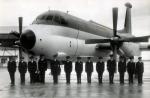
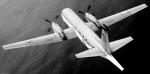

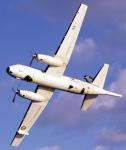


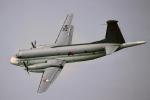

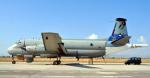
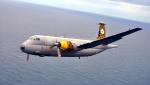


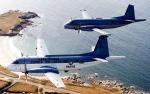


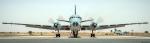
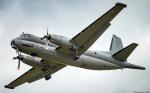

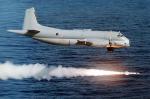

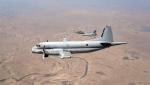
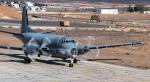




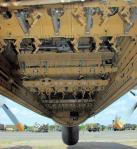
Towards the latter half of the 1950s, NATO identifed a need for a new long range maritime patrol aircraft (MPA) to counter new seaborne threats that the Cold War was bringing with it into western European waters.
NATO produced a specification for such an aircraft in 1958 and out of 21 designs presented to fulfil it, the Breguet Br.1150 Atlantic from France was unanimously selected the winner.
While French in origin, the Br.1150 would form the heart of a multi-national consortium known as SECBAT (Société d’Étude et de Construction de Breguet Atlantic) that when established in 1961 was initially made up of companies from Belgium, France, Netherlands and West Germany. Two companies from Italy would join the group in the late 1960s. In France, Dassault acquired the Atlantic through a merger with Breguet in the 1970s.
In the history of MPA development, the Atlantic holds the distinction of being the first such aircraft in the world designed for the purpose from the ground up. The aircraft was not of bomber or airliner ancestry as most aircraft in the MPA category tend to be.
The Atlantic was also significant in being the first mutinational aircraft project of its category and scale within NATO. As such, it carried with it the importance of showing that nations that had been combatants less than two decades prior had made peace and could cooperate.
The prototype Atlantic took to the air for the first time in October of 1961 with delivery of the first production standard machines, designated ATL.1, to French and West German navies commencing in 1965 and continuing until 1968.
At the outset of the program, only France and Germany had been interested in acquiring an actual aircraft for service; Belgian and Dutch interests centred on bringing work to their respective domestic aviation industries.
The Netherlands only showed interest in purchasing a fleet of Atlantics in 1968, just as the production line was about to be closed; Interest in the aircraft as an MPA for the Italian military was shown in the same time period. The combined interests of the two nations plus the desire of two Italian companies to join the SECBAT consortium was enough to keep the production line open until 1974 to produce a second batch of aircraft to the ATL.1 standard.
While the ATL.1 was designed with the intent to be used widely among NATO nations, only four member states ultimately used it. Outside of NATO, the only Atlantic user was Pakistan.
The Dutch used a fleet of nine Atlantics from 1969 to 1984 and eventually sold six of the aircraft back to France in that period. Subsequently, France refurbished three of the former Dutch aircraft and sold them on to Pakistan in 1976. The choice to retire the Dutch Atlantics and replace them with the Lockheed P-3 Orion stemmed from a series of three crashes in the late 1970s and early 1980s that were attributable to elevator control linkage problems and ongoing corrosion issues.
In the late 1970s, France proposed an updated variation of the Atlantic. The new aircraft, eventually designated ATL.2, took the basic ATL.1 design and added a revised tail fin and a completely updated sensor and avionics suite.
The ATL.2 first flew in 1981 and production started in 1984. The first ATL.2 was delivered to the French navy in 1989 and a total of 28 were built. Germany gave some consideration to purchasing the ATL.2 in the early 1990s, but ultimately opted to purchase used Dutch P-3 Orions in 2004 instead. As such, the ATL.2 is used exclusively by France though some technology from it was used to upgrade the Italian ATL.1 fleet.
In the 1990s a third generation of the Atlantic, the ATL.3, was proposed. It included a modern flight deck, new engines and new propellors among other upgrades. The ATL.3 failed to generate much interest and it was cancelled by 2005.
While a maritime patrol and anti-shipping platform by design, the Atlantic has taken turns as a transport, bomber, electronic intelligence platform and airborne command post in it’s lifetime.
During the early stages of Opération Épervier, an operation which lasted from 1986 to 2014 and was initially put into action by France to counter Lybian military incursions into Chad, a French navy Atlantic fitted for intelligence gathering was used as an airborne command post. In that capacity, the aircraft was able to intercept and rapidly decode Libyan military signals and accurately guide actions against them.
Through the 1990s, German navy Atlantics fitted for intelligence gathering were used to monitor communications and enforce the United Nations embargo against Yugoslavia.
During the closing stages of the Kosovo War, which lasted from February of 1998 to June of 1999, Atlantics of both the French and German navies were used for surveillance flights over the area of battle.
A smaller battle in 1999 was the Kargil War between India and Pakistan that lasted from May to July of that year. Approximately a month after the war had ended, a Pakistani navy Atlantic entered Indian airspace and was subsequently intercepted and shot down by a pair of Indian MiG-21 fighters.
The crash of Air France Flight 447 in June of 2009 brought the Atlantic’s search and rescue role to the fore when France dispatched several of the aircraft to fly from Dakar, Senegal to aid in the search for the wreckage of the Airbus A330 involved.
Since early 2013, French navy ATL.2 aircraft have been involved in the international effort to fight Islamic militant groups in both Africa and the Middle East.
Opération Serval, which lasted from December 2012 to July 2014, was initiated to stop Islamic militants in Mali from taking the capital of the country and overthrowing the government. The Atlantic’s roles in that operation included intelligence gathering, surveillance and dropping laser guided bombs.
Since 2014, French Atlantics have been part of Opération Chammal. This operation, which was initiated in September of 2014, was the French contribution to the ongoing international effort to fight Islamic State (IS) actions in Iraq and Syria. As the operation progressed, the Atlantics were primarily tasked with air strike and long range reconnaissance duties.
In French naval service, the ATL.2 is projected to serve into the 2030s. However, the ATL.1 is fully a museum piece as of late 2017.
Italy was the last user of the ATL.1, having retired it in November of 2017. In Italian service, the Atlantic was replaced by a maritime patrol variation of the domestically developed ATR-72 commuter aircraft.
Germany retired the last of their Atlantics in 2010 and Pakistan followed suit in 2012. Both nations replaced their Atlantics with the Lockheed P-3 Orion.
FUENTES Y REFERENCIA – SOURCES & REFERENCE
pickledwings.com
Ugolok Neba
©jmodels.net
 jmodels.net
Debe estar conectado para enviar un comentario.