

| DATOS TÉCNICOS (Go 145A) |
TECHNICAL DATA (Go 145A) |
| TIPO:Entrenador biplaza. | TYPE:Two-seat trainer. |
| TRIPULANTES:2 | CREW:2 |
| ENVERGADURA:9 m. | SPAN:29.6 ft. |
| LONGITUD:8,7 m. | LENGTH:28.7 ft. |
| ALTURA:2,9 m. | HEIGHT:9.6 ft. |
| SUPERFICIE ALAR:21,75 m². | WING AREA:234.1 ft². |
| PESO EN VACÍO:800 kg. | EMPTY WEIGHT:1,764 lb. |
| MOTOR:Un motor Argus 10 V-8 invertido de 240 hp (179 kW) con hélice bipala de paso constante. | ENGINE:One Argus As 10 V-8 inverted air-cooled piston engine providing 240 hp (179 kW) with two-bladed fixed-pitch propeller. |
ARMAMENTO:
|
ARMAMENT:
|
| VELOCIDAD MÁX.:212 km/h a nivel del mar. | MAX. SPEED:132 mph at sea level. |
| TECHO:3.700 m. | CEILING:12,100 ft. |
| ALCANCE:630 km. | RANGE:390 mi. |
| PRIMER VUELO:Febrero de 1934. | FIRST FLIGHT:February 1934. |
| VERSIONES:4 | VERSIONS:4 |
| CONSTRUIDOS:1.182 (Alemania) | BUILT:1,182 (Germany) |
La compañía Gotha, disuelta en 1919 en virtud del Tratado de Versalles, fue reestructurada el 2 de octubre de 1933. Su primer producto fue el avión de entrenamiento Gotha Go 145, un biplano de una sola bahía, construido en madera con revestimiento de tela, propulsado por un motor Argus As 10C. El prototipo voló por primera vez en febrero de 1934 y entró en servicio con la Luftwaffe al año siguiente.
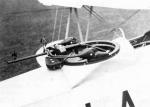
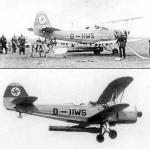
Las principales variantes fueron el avión de entrenamiento de doble control Go 145A, el Go 145B con cabina cerrada y guardabarros, y el avión de entrenamiento de artillería Go 145C, equipado con una ametralladora MG 15 de 7,92 mm (0,31 pulgadas) montada sobre un soporte pivotante en la cabina trasera. Aunque originalmente se utilizó como avión de entrenamiento de pilotos, el Go 145 también formó parte de las Störkkampfstaffeln, creadas en diciembre de 1942, cuando la Luftwaffe decidió emular el uso que los rusos daban al Polikarpov U-2 como avión de asalto en operaciones nocturnas. En octubre de 1943, estas unidades fueron renombradas como Nachtslachtgruppen y permanecieron operativas en el Frente Oriental hasta el final de la guerra. Los Go 145 equiparon a seis Nachtslachtgruppen y al Ost-Flieger Gruppe, operando con bombas ligeras, cañones, cohetes y altavoces. Gotha, Ago, BFW y Focke Wulf construyeron menos de 10.000 Go 145 en Alemania.
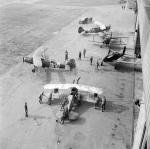
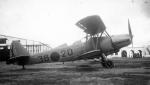
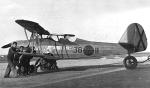
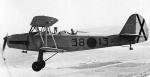
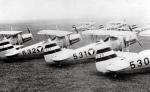
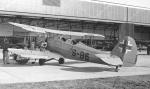
En 1938, Alemania envió 22 Go 145A a los nacionalistas españoles, que fueron empleados en la nueva Escuela de Transformación, establecida en Jerez de la Frontera (Cádiz). Poco después del final de la Guerra Civil, CASA adquirió una licencia para construir 25 aviones, que se entregaron entre 1941 y 1942. Se denominaron CASA 1145-L y contaban con el mismo motor Argus que el entrenador alemán. Permanecieron en servicio en el Ejército del Aire hasta mayo de 1952.
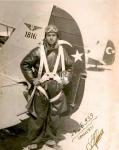
Turquía fue otro operador internacional. Los tres primeros ejemplares se importaron desde Alemania, y posteriormente se fabricaron 43 unidades con licencia en KTF (Fábrica de Aviones de Kayseri) entre 1936 y 1939. Los modelos turcos estaban armados con dos ametralladoras de 7,92 mm y estuvieron en servicio hasta 1947.
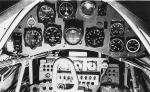
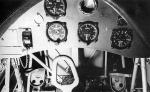
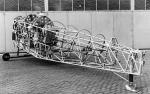
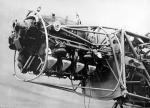
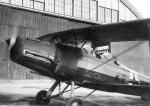
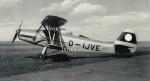
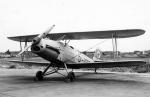

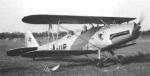
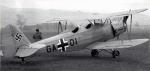
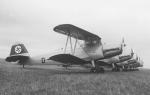
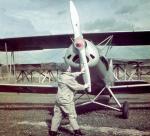
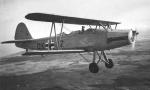
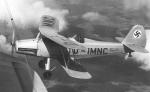
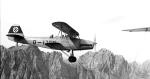
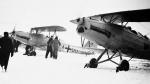
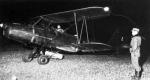
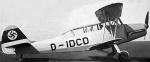
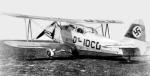
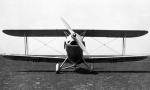
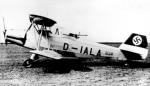
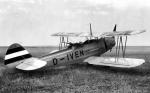
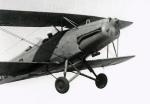
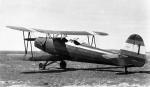
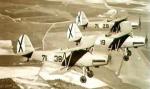
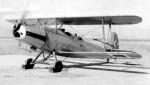
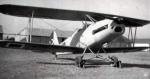
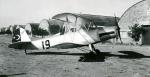
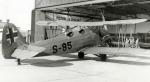
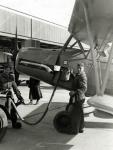
The Gotha company, having been closed down in 1919 under the terms of the Versailles Treaty, was reformed on 2 October 1933. Its first product was the Gotha Go 145 trainer, a single-bay biplane of wooden construction with fabric covering, powered by an Argus As 10C engine. The prototype was first flown in February 1934 and the type entered service with the Luftwaffe in the following year.
Principal variants were the Go 145A dual control trainer, Go 145B with enclosed cockpit and wheel-spats, and the Go 145C gunnery trainer with one 7.92mm (0.31in) MG 15 machine-gun on a pivoted mounting in the rear cockpit. Although used originally as a pilot training aircraft, the Go 145 served also with the Störkkampfstaffeln that were set up in December 1942, when the Luftwaffe decided to emulate the Russians’ use of the Polikarpov U-2 as a ‘nuisance raider’ during the hours of darkness. In October 1943 these units were redesignated Nachtslachtgruppen, and remained operational on the Eastern Front until the end of the war. Go 145s equipped six Nachtslachtgruppen and the Ost-Flieger Gruppe, operating with light bombs, guns, rockets and loudspeakers. Fewer than 10,000 Go 145s were built by Gotha, Ago, BFW and Focke Wulf in Germany.
In 1938, Germany sent 22 Go 145As to the Spanish Natonalists which were used in the new Escuela de Transformación (Training School) set up in Jerez de la Frontera (Cádiz). Soon after the end of the Civil War CASA bought a license to build 25 aircraft that were delivered between 1941 and 1942. They were designated as CASA 1145-L and had the same Argus engine of the German trainer. They remained in service with the Ejército del Aire (Spanish Air Force) until May 1952.
Turkey was another international operator, with the first three samples brought over from Germany, and then 43 of them were produced under license at KTF (Kayseri Aeroplane Factory) between 1936 and 1939. The Turkish models were armed with two 7.92mm Mgs and were in service until 1947.
FUENTES Y REFERENCIA – SOURCES & REFERENCE
Ugolok Neba
luftarchive.de
wikipedia.org
©jmodels.net
 jmodels.net
Debe estar conectado para enviar un comentario.