
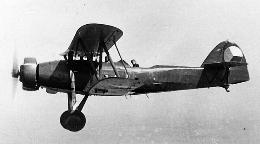
| DATOS TÉCNICOS (Š-328) |
TECHNICAL DATA (Š-328) |
| TIPO: Avión de reconocimiento. | TYPE: Reconnaissance aircraft. |
| TRIPULANTES: 2 | CREW: 2 |
| ENVERGADURA: 13,71 m. | SPAN: 45 ft. |
| LONGITUD: 10,36 m. | LENGTH: 34 ft. |
| ALTURA: 3,34 m. | HEIGHT: 10.11 ft. |
| SUPERFICIE ALAR: 39,4 m². | WING AREA: 424 ft². |
| PESO EN VACÍO: 1.680 kg. | EMPTY WEIGHT: 3,704 lb. |
| MOTOR: Un motor radial de 9 cilindros Walter Pegasus II-M.2 de 560-580 hp (420-430 kW) a 5.000 m. | ENGINE: One Walter Pegasus II-M.2 9-cylinder air-cooled radial piston engine developing 560-580 hp (420–430 kW) at (16,000 ft). |
ARMAMENTO:
|
ARMAMENT:
|
| VELOCIDAD MÁX.: 280 km/h a 1.800 m. | MAX. SPEED: 170 mph 5,900 ft. |
| TECHO: 7.200 m. | CEILING: 23,600 ft. |
| ALCANCE: 700 km (380 mil. náut.). | RANGE: 430 mi (380 nmi). |
| PRIMER VUELO: Marzo de 1932. | FIRST FLIGHT: March 1932. |
| VERSIONES: 9 | VERSIONS: 9 |
| CONSTRUIDOS: 470 (Todos los modelos) | BUILT: 470 (All variants) |
En los años previos a la Segunda Guerra Mundial, los aviones de reconocimiento se fueron modernizando, ganando en potencia y estabilidad. La integración de las fórmulas del sesquiplano llevó a los fabricantes de aviones a replantearse más profundamente estas aeronaves. Los aviones de reconocimiento ya no debían ser simples aviones ligeros sino auténticas máquinas de guerra capaces de defenderse de los cazas enemigos. Este concepto influyó en el diseño del Letov Š-328.
En 1931, la firma Letov recibió un encargo de la Ilmavoimaat, la aviación militar finlandesa, para convertir su avión de entrenamiento y observación Š-228 en un avión de reconocimiento y ataque al suelo. La construcción comenzó inmediatamente y se decidió modificar el Š-228 en profundidad. Tanto fue así que el nuevo avión, designado Š-328, ya no tenía mucho en común con su predecesor. El primer avión hizo su primer vuelo en marzo de 1932. Los funcionarios finlandeses alargaron las negociaciones, por lo que el gobierno checo se convirtió en el primer cliente en encargar el nuevo avión en enero de 1933. Ese mismo año, los finlandeses finalmente decidieron encargar el bombardero en picado alemán Henschel Hs-123.
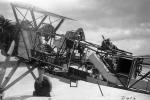
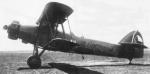
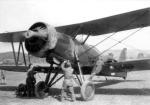
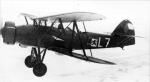
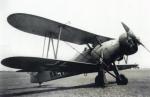
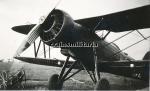
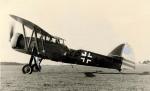
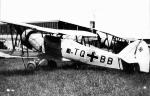
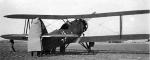
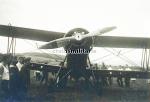
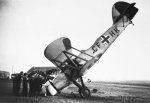
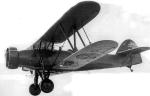
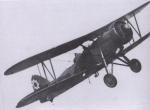
El Letov Š-328 era un sesquiplano monomotor biplaza con un armamento relativamente grande para un avión de esta clase. La cabina en tándem estaba al aire libre, pero el observador tenía superficies de vidrio en el suelo y los lados del fuselaje. El fuselaje estaba hecho completamente de metal. El tren de aterrizaje fijo se caracterizaba en la parte trasera por un patín orientable. El motor Bristol de origen británico fue construido con licencia por Walter.
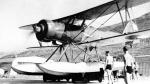
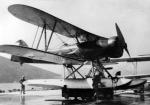
El primer avión checo entró en servicio en 1935. Estos aviones fueron asignados inmediatamente a misiones de vigilancia en las fronteras austro-checa y germano-checa. A medida que los nazis aumentaban su poder en Alemania, el gobierno checo encargó más Š-328 para misiones de reconocimiento. Cuando los Sudetes fueron anexados por el Tercer Reich en 1938, un total de quince Š-328 fueron confiscados por la Luftwaffe. Estos aviones fueron asignados a misiones de reconocimiento diurno cerca de la frontera con los Países Bajos. En 1938, Letov montó cuatro Š-328V, hidroaviones que sirvieron en nombre de la Marina checa en Yugoslavia. Estos hidroaviones no llevaban ninguna bomba.
En julio de 1938, un partido político eslovaco encargó cincuenta Š-328 de Letov, que formaron el embrión de las unidades de reconocimiento de la futura fuerza aérea eslovaca pronazi. Varios de estos aviones sirvieron en las operaciones llevadas a cabo por los eslovacos contra Polonia en septiembre de 1939. Estos mismos aviones eslovacos participarían en los ataques aéreos nocturnos contra las posiciones soviéticas en Ucrania en la noche del 21 al 22 de junio de 1941, al comienzo de la Operación Barbarroja. Los Š-328 eslovacos, apoyados por aviones checos, atacaron la ciudad de Vinnitsa lanzando bombas incendiarias de 200 kg.
Bulgaria recibió de los nazis, y por la fuerza de las circunstancias de los checos, un lote de sesenta y dos Letov Š-328. Estos aviones participaron en misiones de reconocimiento sobre la URSS. Fue durante una de estas misiones en octubre de 1944 cuando un Bell P-39 soviético logró derribar dos sesquiplanos al mismo tiempo. En general, los Š-328 búlgaros tuvieron éxito en muy pocas misiones contra los cazas soviéticos.
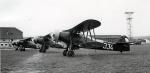
Cuando estalló la guerra, un puñado de pilotos logró llegar a Francia y luego a Gran Bretaña con sus Š-328. Cinco de estos aparatos fueron confiscados por la Royal Air Force, que los asignó a misiones de reconocimiento costero bajo la autoridad del Mando Costero. La mayoría de estos aparatos fueron enviados al desguace en 1945.
En total, 412 Letov Š-328 salieron de las líneas de producción checoslovacas. Más de la mitad de ellos fueron confiscados durante la guerra por la Luftwaffe, convirtiéndose en el segundo avión checo más utilizado por el Eje después del Avia B-534. Los Letov alemanes llevaron a cabo misiones de reconocimiento, pero también misiones de hostigamiento sobre las líneas soviéticas, en particular durante la larga batalla de Stalingrado. Se realizaron algunas modificaciones a los Š-328 dotándolos de motores más potentes, pero estas pruebas lamentablemente no tuvieron seguimiento.
Después de la guerra, Checoslovaquia y Yugoslavia, países procomunistas, utilizaron los Š-328 para misiones de reconocimiento diurno y patrullaje costero. En junio de 1945, Francia confiscó seis Š-328 a Alemania, que sirvieron en la Fuerza Aérea hasta septiembre de 1946 para misiones de vigilancia fronteriza. Se trataba de los únicos aviones checos que sirvieron en Francia después de la Segunda Guerra Mundial.
El Letov Š-328 fue uno de los mejores aviones de reconocimiento del mundo en la década de 1930 y resistió bastante bien a los cazas enemigos más modernos. Su uso intensivo en misiones ofensivas es característico de sus verdaderas cualidades. Hoy en día, un Š-328 se exhibe en Praga con la librea de un avión de la Fuerza Aérea Eslovaca durante la revuelta antinazi del verano de 1944.
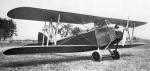
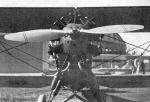


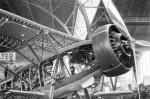













In the years leading up to World War II, reconnaissance aircraft became more and more modern, gaining in power and stability. The integration of sesquiplane formulas led aircraft manufacturers to rethink these aircraft more deeply. Reconnaissance aircraft were no longer to be simple light aircraft but real war machines capable of defending themselves against enemy fighters. It was with this vision in mind that the Letov Š-328 was designed.
In 1931, the Letov firm received an order from the Ilmavoimaat, the Finnish military aviation, to adapt its Š-228 training and observation aircraft into a reconnaissance and ground attack aircraft. Construction began immediately and it was decided to modify the Š-228 in depth. So much so that the new aircraft, designated Š-328, no longer had much in common with its predecessor. It first took to the air in March 1932. Finnish officials dragged out the discussions, so the Czech government became the first customer to order the new aircraft in January 1933. That same year the Finns finally decided to order the German Henschel Hs-123 dive bomber.
The Letov Š-328 was a single-engine, two-seater sesquiplane with relatively large armament for an aircraft of this class. The tandem cockpit was in the open air, but the observer had glass surfaces on the floor and the sides of the fuselage. The fuselage was made entirely of metal. The fixed landing gear was characterized at the rear by a steerable skid. The Bristol engine of British origin was built under license by Walter.
The first Czech aircraft entered service in 1935. These aircraft were immediately assigned to surveillance missions on the Austrian-Czech and German-Czech borders. As the Nazis grew in power in Germany, the Czech government ordered more Š-328s for reconnaissance missions. When the Sudetenland was annexed by the Third Reich in 1938, a total of fifteen Š-328s were seized by the Luftwaffe. These aircraft were assigned to daytime reconnaissance missions near the border with the Netherlands. In 1938, Letov assembled four Š-328Vs, seaplanes that served on behalf of the Czech Navy in Yugoslavia. These seaplanes did not carry any bombs.
In July 1938, a Slovak political party ordered fifty Letov Š-328s, which formed the embryo of the reconnaissance units of the future pro-Nazi Slovak air force. Several of these aircraft served in the operations carried out by the Slovaks against Poland in September 1939. These same Slovak planes would take part in night air raids against Soviet positions in Ukraine on the night of 21-22 June 1941, at the start of Operation Barbarossa. The Slovak Š-328s, supported by Czech planes, rushed to the city of Vinnitsa. The S-328s dropped 200kg incendiary bombs.
Bulgaria received from the Nazis, and by force of circumstances from the Czechs, a batch of sixty-two Letov Š-328s. These planes participated in reconnaissance missions over the USSR. It was during one of these missions in October 1944 that a Soviet Bell P-39 managed to shoot down two sesquiplanes at the same time. Mostly the Bulgarian Š-328s succeeded in very few missions against the Soviet fighters.
When the war broke out, a handful of pilots managed to reach France and then Great Britain with their Š-328s. Five of these machines were taken by the Royal Air Force which assigned them to coastal reconnaissance missions under the authority of the Coastal Command. Most of these machines were sent to the scrapyard in 1945.
In total, 412 Letov Š-328s left the Czechoslovak production lines. More than half of them were taken during the war by the Luftwaffe, becoming the second most used Czech aircraft by the Axis after the Avia B-534. The German Letovs carried out reconnaissance missions but also harassment missions over the Soviet lines, notably during the long battle of Stalingrad. Some modifications were made to Š-328s by grafting more powerful engines but these tests unfortunately had no follow-up.
After the war, pro-communist Czechoslovakia and Yugoslavia used Š-328s for daytime reconnaissance and coastal patrol missions. In June 1945, France seized six Š-328s from Germany which served in the Air Force until September 1946 for border surveillance missions. These were the only Czech aircraft to have served in France after the Second World War.
The Letov Š-328 was one of the best reconnaissance aircraft in the world in the 1930s and held up quite well against more modern enemy fighters. Its intensive use in offensive missions is characteristic of the real qualities of the machine. Today an Š-328 is exhibited in Prague in the livery of an aircraft of the Slovak Air Force during the anti-Nazi revolt in the summer of 1944.
FUENTES Y REFERENCIA – SOURCES & REFERENCE
avionslegendaires.net
©jmodels.net
 jmodels.net
Debe estar conectado para enviar un comentario.