

| DATOS TÉCNICOS (Vengeance Mk.I) |
TECHNICAL DATA (Vengeance Mk.I) |
| TIPO:Bombardero en picado. | TYPE:Dive bomber. |
| TRIPULANTES:2 | CREW:2 |
| ENVERGADURA:14,63 m. | SPAN:48 ft. |
| LONGITUD:12,12 m. | LENGTH:39.9 ft. |
| ALTURA:4,67 m. | HEIGHT:15.4 ft. |
| SUPERFICIE ALAR:30,84 m². | WING AREA:332 ft². |
| PESO EN VACÍO:4.411 kg. | EMPTY WEIGHT:9,725 lb. |
| MOTOR:Un motor radial de 14 cilindros R-2600-A5B-5 Twin Cyclone de 1.600 hp. (1.193 kW). | ENGINE:One Wright R-2600-A5B-5 Twin Cyclone 14 cylinder radial air-cooled engine developing 1,600 hp (1,193 kW). |
ARMAMENTO:
|
ARMAMENT:
|
| VELOCIDAD MÁX.:443 km/h. a 11.000 pies (3.350 m.). | MAX. SPEED:275 mph. at 11,000 ft. |
| TECHO:6.860 m. | CEILING:22,500 ft. |
| ALCANCE:2.253 km. | RANGE:1,400 ml. |
| PRIMER VUELO:30 de marzo de 1941. | FIRST FLIGHT:30 March 1941. |
| VERSIONES:12 | VERSIONS:12 |
| CONSTRUIDOS:1.931 | BUILT:1,931 |
El Vultee Vengeance fue un bombardero en picado comprado originalmente por los franceses, y que se produjo para la RAF, pero al entrar en servicio el concepto de bombardero en picado estaba ya algo desacreditado. El pedido francés original era demasiado ambicioso. Solicitaba 300 aviones, y las entregas comenzaron en octubre de 1940, si bien el Vengeance no realizó su vuelo inaugural hasta marzo de 1941.
Las dramáticas victorias alemanas de mayo y junio de 1940 hicieron que el bombardero en picado Stuka ganara una temible reputación mientras volaba sobre los campos de batalla de Bélgica y Francia. Con esto en mente, la Comisión de Compras Británica decidió buscar un bombardero en picado en los Estados Unidos y descubrió que el Vengeance era el único disponible. El primer pedido, de 200 aviones, se realizó el 3 de julio de 1940, y fue seguido por un segundo pedido de 100 aviones, el 2 de diciembre de 1940. Un tercer pedido de 400 aviones se realizó en abril de 1942 y un cuarto, de 200 aviones, en junio. El 28 de junio, los pedidos de Francia y Gran Bretaña se convirtieron en parte del plan de préstamo y arrendamiento, y el Vengeance recibió la designación A-31 de la USAAF.
El primer prototipo (número de serie de la RAF AF745) se completó con aletas gemelas y timones, pero después de las exigentes pruebas, se le dio una sola aleta y timón, similar al usado en el caza Vultee Vanguard, y que ya había sido instalado en el segundo avión. AF745 realizó su vuelo inaugural el 30 de marzo de 1941.
Las entregas del Vengeance comenzaron a principios de 1942. En esa fecha, el Stuka había perdido su temible reputación y se había hecho evidente que el bombardero en picado era muy vulnerable si se enfrentaba a aviones de combate modernos: los alemanes pronto se vieron obligados a retirar el avión de la Batalla de Gran Bretaña. El Vengeance habría sido también muy vulnerable contra el Bf 109 o el Fw 190.
Como muchos aviones que no se necesitaban en Gran Bretaña, el Vengeance fue enviado al Lejano Oriente, donde sirvió con la RAF y la Fuerza Aérea India en Birmania, y con la RAAF en Nueva Guinea.
Aparentemente, la producción del Vengeance solo sobrevivió hasta 1943 porque contribuyó al objetivo de alcanzar los 107,000 aviones militares que se producirían durante el año. Tenía una reputación terrible, a la mayoría de los pilotos les resultaba difícil volar y era un bombardero en picado pobre, aunque los pilotos más experimentados informaron que no tenía vicios y era completamente acrobático.
El Vengeance era un biplaza en tándem, que llevaba un piloto y un artillero trasero. El Model 72 estaba propulsado por un motor radial de 1.600 hp. Wright GR-2600-A5B-5 Cyclone, y estaba armado con seis ametralladoras de 7,62 mm., dos montadas en un afuste giratorio en la cabina trasera y cuatro fijas en las alas. Podía llevar dos bombas de 230 kg. en la bodega de bombas del fuselaje como carga estándar, y otros dos de 110 kg. bajo las alas.
El avión tenía un ala en forma de W. Los paneles centrales del ala tenían un borde de ataque inclinado hacia atrás y un borde de fuga recto, mientras que los paneles exteriores tenían un borde de ataque recto y un borde de fuga inclinado hacia adelante. Las alas tenían frenos de picado ranurados y totalmente metálicos en la parte inferior de los paneles exteriores.
La producción del Vengeance se dividió en tres categorías principales. Los aviones producidos antes del préstamo y arrendamiento fueron designados como V-72 en los Estados Unidos y Mk I (para aviones producidos por Northrop) y Mk II (producidos por Vultee) en la RAF.
Las aeronaves producidas con los mismos estándares después del inicio del préstamo y arrendamiento recibieron la designación A-31 en la USAAF y las designaciones Mk IA (Northrop) y Mk III (Vultee) en la RAF.
Los aviones producidos con equipo estadounidense y ametralladoras de 12,7 mm. recibieron la designación estadounidense A-35 y la designación Mk IV en la RAF.
El Vultee V-72 fue la designación que se le dio a los aviones fabricados antes del préstamo y arriendo que la USAAF tomó de los pedidos británicos después de la entrada estadounidense en la Segunda Guerra Mundial.
El Vultee A-35 Vengeance fue la designación dada a los últimos 930 Vengeance, armados con el armamento estándar americano compuesto de ametralladoras de 12,7 mm., en lugar de las de 7,62 mm. utilizadas en el A-31 Vengeance. Todos los A-35 fueron construidos por Vultee, después de que terminara la producción en Northrop.
Los primeros 99 aviones se construyeron como A-35A. Estos estaban armados con cuatro ametralladoras de 12,7 mm. en el ala y otra del mismo calibre montada en la parte posterior de la carlinga. A las alas se les dio un ángulo de incidencia de cuatro grados (el ángulo de las alas en comparación con el fuselaje), en un esfuerzo por mejorar la visibilidad del piloto.
Luego, la producción pasó al A-35B, que llevaba seis ametralladoras de 12,7 mm. en las alas. Los registros australianos sugieren que el A-35B retuvo su armamento trasero de 12,7 mm., dándole un total de siete ametralladoras. El A-35B tenía bastidores laterales que podían transportar tanques de combustible adicionales o dos bombas de 230 kg. adicionales, dándole una carga total de bombas de algo más de 900 kg. Se construyeron 201 aviones para completar el primer pedido de préstamo y arrendamiento de 300 A-35, que fueron seguidos por otros 630 aviones, lo que elevó la producción total a 831 A-35B. Los pedidos de otros 2.035 aviones se cancelaron el 20 de mayo de 1943.
La RAF recibió 104 A-35B propulsados por un radial de 1.700 hp. Wright R-2600-13, que recibieron la designación Mk IV-1, y 458 A-35B propulsados por el motor R-2600-8 similar, que recibió la designación Mk IV-2. La RAAF recibió 121 Mk IV, que designó como Mk IVB. Algunos de estos aviones procedían directamente de Estados Unidos y otros de la RAF.
El 48º Grupo de Bombardeo de EE.UU. utilizó el A-35 durante 1942-43. El grupo fue una unidad de entrenamiento de reemplazo durante el período que operó el A-35, aunque también realizó una cantidad limitada de patrullas antisubmarinas. El Grupo de Bombardeo 406º de EE.UU. también utilizó el A-35 para entrenamiento durante 1943 y sirvió en Normandía y el norte de Europa. El A-34 también fue utilizado por los escuadrones de bombardeo 623º y 631º entre principios de 1943 y agosto de 1943, cuando ambos escuadrones se disolvieron.
En la RAF, el Vengeance tuvo un papel más activo. El Escuadrón N.º 82 fue el primero en convertirse al Vengeance, recibiendo su avión en Bombay en agosto de 1942. Sin embargo, esta unidad no fue la primera en volarlo en combate. Ese honor recayó en el Escuadrón N.º 110, que llegó a la India en mayo de 1942. El Vengeance llegó en octubre y el escuadrón comenzó a operar en Birmania en marzo de 1943. Los Escuadrones N.º 45 y 84 también operaron el avión entre 1942 y 1944.
El Vengeance también fue utilizado en combate sobre Birmania por los Escuadrones 7º y 8º de la Fuerza Aérea de la India. Ambas unidades ya habían adoptado el Hurricane y el Spitfire para diciembre de 1944.
Doce escuadrones de la RAF utilizaron el Vengeance como remolcador de blancos. De estos escuadrones el 291º, 587º y 667º utilizaron el Vengeance desde fines de 1944, y el Escuadrón 34º lo recibió en febrero de 1949, mientras que los ocho escuadrones restantes recibieron el Vengeance en la primavera o principios del verano de 1945, y los operaron hasta Mayo de 1947 a más tardar. El Vengeance también fue utilizado en este rol por el Fleet Air Arm, sirviendo con los escuadrones N.º 721º, 733º y 791º.
La Royal Australian Air Force fue el segundo operador más importante del Vultee Vengeance, recibiendo una gran cantidad de aviones tanto de pedidos británicos como directamente de los Estados Unidos, y usándolo en combate sobre Nueva Guinea.
La RAAF usó los mismos números de modelo que la RAF para el Vengeance Mk I, IA y II. La Guía oficial de reconocimiento del Vengeance de Australia otorga la designación Mk IV a las aeronaves conocidas en la RAF como Mk III, y tampoco concuerda con el número de modelo de Vultee. La mayoría de las fuentes afirman que los RAF Mk III (números de serie FB918-999 y FD100-117) eran A-31C, mientras que la guía australiana los describe como A-35A-VU. Finalmente, el Mk IV británico se convirtió en el Mk IVA australiano. La RAAF recibió 99 Mk IA, 122 Mk II y 121 Mk IVA. El Vengeance fue utilizado por cinco escuadrones de la RAAF (N.º 12º, 21º, 23º, 24º y 25º), cuatro de los cuales lo emplearon en combate.
La Fuerza Aérea Francesa Libre en el norte de África recibió 67 A-35A y A-35B a partir de junio de 1943. Fueron utilizados por GB I / 62 y GT II / 5 para entrenamiento de artillería, pero todos habían sido devueltos por su escasa fiabilidad en abril de 1944.
Brasil recibió un lote de 28 V-72 Vengeance a principios de 1943, utilizándolos para equipar el 1er Escuadrón de Bombardeo en picado, y cinco A-35B en septiembre de 1944, que fueron utilizados por el 2º Escuadrón de Bombardeo en picado. Los aviones se utilizaron para patrullas antisubmarinas y algunos permanecieron en servicio en Brasil hasta mayo de 1948.






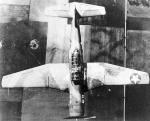

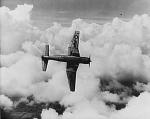

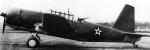

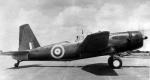
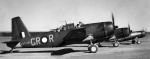
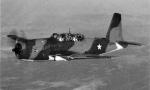
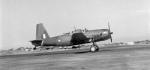
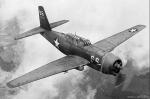

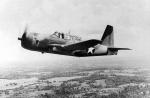
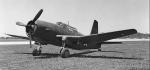


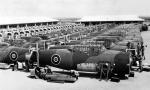


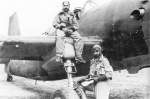

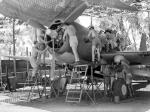
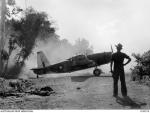

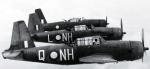
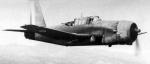

The Vultee Vengeance was a dive bomber originally purchased by the French, and that entered production for the RAF, but that didn’t reach service until the concept of the dedicated dive-bomber had been discredited. The original French order was rather over-ambitious. It called for 300 aircraft, with deliveries to begin in October 1940, but the Vengeance didn’t make its maiden flight until March 1941.
The dramatic German victories of May and June 1940 saw the Stuka dive bomber gain a fearsome reputation as it swooped over the battlefields of Belgium and France. With this in mind the British Purchasing Commission decided to look for a dive bomber in the United States, and found that the Vengeance was the only one available. The first control, for 200 aircraft, was placed on 3 July 1940, and was followed by a second order, for 100 aircraft, on 2 December 1940. A third order, for 400 aircraft, was placed in April 1942 and a fourth, for 200 aircraft, in June. On 28 June both of these orders became part of the lend-lease scheme, and the Vengeance was given the USAAF designation A-31.
The first prototype (RAF serial number AF745) was completed with twin fins and rudders, but after the taxing trials the test pilot refused to fly it in that configuration. It was then given a single fin and rudder, similar to that used on the Vultee Vanguard fighter, and that had already been installed on the second aircraft. AF745 made its maiden flight on 30 March 1941.
Deliveries of the Vengeance began early in 1942. By this date the Stuka had lost its fearsome reputation, and it had become clear that the dive-bomber was very vulnerable if it faced modern fighter aircraft – the Germans had soon been forced to withdraw the type from the Battle of Britain, and the Vengeance would have been very vulnerable against the Bf 109 or Fw 190.
Like many aircraft not needed in Britain the Vengeance was sent to the Far East, where it served with the RAF and Indian Air Force over Burma, and with the RAAF in New Guinea.
Production of the Vengeance apparently only survived into 1943 because it contributed towards the production target of 107,000 military aircraft to be produced during the year. It had an awful reputation, most pilots found it difficult to fly and a poor dive-bomber, although more experienced pilots reported that it was viceless and fully aerobatic.
The Vengeance was a tandem two-seater, carrying a pilot and rear gunner. The Model 72 was powered by a 1,600hp. Wright GR-2600-A5B-5 Cyclone radial engine, and was armed with six .30in. guns, two flexibly mounted guns in the rear cockpit and four fixed guns in the wings. It could carry two 500lb. in the fuselage bomb bay as standard load, and another two 250lb. bombs at overload weight.
The aircraft had a W-shaped wing. The wing centre panels had a swept back leading edge and straight trailing edge, while the outer panels had a straight leading edge and swept-forward trailing edge. The wings had slotted all-metal dive-brakes on the undersaide of the outer panels.
Production of the Vengeance fell into three main categories. Aircraft produced before lend-lease were designated as the V-72 in the United States and the Mk I (for aircraft produced by Northrop) and II (produced by Vultee) by the RAF.
Aircraft produced to the same standards after the start of lend-lease were given the USAAF designation A-31 and the RAF designations Mk IA (Northrop) and III (Vultee).
Aircraft produced with American equipment and 0.50in guns were given the American designation A-35 and the RAF designation Mk IV.
The Vultee V-72 was the designation given to those pre-lend lease aircraft that were taken over from British orders by the USAAF after the American entry into the Second World War.
The Vultee A-35 Vengeance was the designation given to the last 930 Vengeances, armed with the standard American 0.50in. machine guns instead of the 0.30in guns used on the A-31 Vengeance. All A-35s were built by Vultee, after production ended at Northrop.
The first 99 aircraft were built as A-35As. These were armed with four 0.50in. guns in the wing and one rear-firing flexibly mounted 0.50in gun. The wings were given a four degree angle of incidence (the angle of the wings compared to the fuselage), in an effort to improve pilot visibility.
Production then moved onto the A-35B, which carried six 0.50in. wing guns. Australian records suggest that the A-35B retained its rear-firing 0.50in. gun, giving it a total of seven guns. The A-35B had wing racks that could carry either extra fuel tanks or two more 500lb. bombs, giving it a total bomb load of 2,000lb. 201 aircraft were built to complete the first lend-lease order for 300 A-35s, and were followed by another 630 aircraft, bringing total production to 831 A-35Bs. Orders for another 2,035 aircraft were cancelled on 20 May 1943.
The RAF received 104 A-35Bs powered by the 1,700 Wright R-2600-13, which received the designation Mk IV-1, and 458 A-35Bs powered by the similar -8 engine, which received the designation Mk IV-2. The RAAF received 121 Mk IVs, which it designated as the Mk IVB. Some of these aircraft came directly from the United States and some from the RAF.
The US 48th Bombardment Group used the A-35 during 1942-43. The group was a replacement training unit during the period it operated the A-35, although also carried out a limited amount of anti-submarine patrols. The US 406th Bombardment Group also used the A-35 for training during 1943 and served in Normandy and northern Europe. The A-34 was also used by the 623rd and 631st Bombardment Squadrons during between early 1943 and August 1943, when both squadrons were disbanded.
In RAF service the Vengeance had a more active role. No.82 Squadron was the first to convert to the Vengeance, receiving its aircraft at Bombay in August 1942. However, No.82 Squadron was not the first to take the aircraft into action. That honour fell to No.110 Squadron, which arrived in India in May 1942. The Vengeance arrived in October, and the squadron began operations over Burma in March 1943. RAF No. 45 and 84 also operated the type between 1942 and 1944.
The Vengeance was also used in combat over Burma by Nos.7 and 8 Squadrons of the India Air Force. Both units had converted to the Hurricane and Spitfire by December 1944.
Twelve RAF squadrons used the Vengeance as a target tug. Of these Nos.291, 587 and 667 squadrons used the Vengeance from late in 1944, and No.34 Squadron received in it February 1949, while the remaining eight squadrons received the Vengeance in the spring or early summer of 1945, and operated them until May 1947 at the latest. The Vengeance was also used as a target tug by the Fleet Air Air, serving with Nos.721, 733 and 791 squadrons.
The Royal Australian Air Force was the second most important operator of the Vultee Vengeance dive-bomber, receiving a large number of aircraft both from British orders and directly from the United States, and using it in combat over New Guinea.
The RAAF used the same mark numbers as the RAF for the Vengeance Mk I, IA and II. The official Australian Vengeance Recognition Guide gives the designation Mk IV to aircraft known in the RAF as the Mk III, and also disagrees on their Vultee model number. Most sources state that the RAF Mk III (serial numbers FB918-999 and FD100-117) were A-31Cs, while the Australian guide describes them as A-35A-VUs. Finally the British Mk IV became the Australian Mk IVA. The RAAF received 99 Mk IAs, 122 Mk IIs and 121 Mk IVAs. The Vengeance was used by five RAAF squadrons (No. 12, 21, 23, 24 and 25), four of which took it into combat.
The Free French Air Force in North Africa received 67 A-35As and A-35Bs, starting in June 1943. They were used by GB I/62 and GT II/5 for gunnery training, but had been returned as unreliable by April 1944.
Brazil received a batch of 28 V-72 Vengeances early in 1943, using them to equip the 1st Dive-Bombing Squadron, and five A-35Bs in September 1944, which were used by the 2nd Dive-Bombing Squadron. The aircraft were used for anti-submarine patrols, with some remaining in Brazilian service until May 1948.
FUENTES Y REFERENCIA – SOURCES & REFERENCE
historyofwar.org
Ugolok Neba
ww2aircraft.net
©jmodels.net
 jmodels.net
Debe estar conectado para enviar un comentario.