
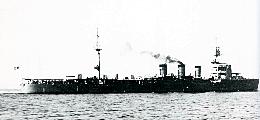
| DATOS TÉCNICOS | TECHNICAL DATA |
| TIPO:Crucero ligero. | TYPE:Light cruiser. |
| CONSTRUCTOR:Mitsubishi Heavy Industries. | BUILDER:Mitsubishi Heavy Industries. |
| BOTADURA:16 de febrero de 1922. | LAUNCHED:16 February 1922. |
| DESPLAZAMIENTO:5.088 toneladas (estándar). | DISPLACEMENT:5,088 tons (standard). |
| ESLORA:162,99 m. | LENGTH:534.9 ft. |
| MANGA:14,76 m. | BEAM:48.5 ft. |
| PUNTAL:4,9 m. | DRAUGHT:16 ft. |
| VELOCIDAD MÁX.:36 nudos (67 km/h.) | MAX. SPEED:36 knots (41 mph.) |
PROPULSIÓN:
|
PROPULSION:
|
| AUTONOMÍA:9.000 mil. náut. (17.000 km.) a 10 nudos (19 km/h.) | RANGE:9,000 nautical miles (10,000 mi) at 10 knots (12 mph.) |
ARMAMENTO:
|
ARMAMENT:
|
| AVIACIÓN EMBARCADA:Un hidroavión. | EMBARKED AIRCRAFT:One floatplane. |
| TRIPULACIÓN:438 | CREW:438 |
| CONSTRUIDOS:6 (Clase Nagara). | BUILT:6 (Nagara Class). |
El Natori fue un crucero ligero clase Nagara en la Armada Imperial Japonesa. Fue el tercer buque completado en la clase Nagara de cruceros ligeros. Al igual que otros buques de su clase, estaba destinado a ser utilizado como buque insignia de una flotilla de destructores.
El Natori se completó en el astillero de Nagasaki de Mitsubishi el 15 de septiembre de 1922. Poco después de la puesta en servicio, se le ordenó patrullar frente a la costa de China. Desde 1938, el crucero tuvo su base en Taiwán y ayudó a cubrir los desembarcos de las tropas japonesas en el sur de China.
El 26 de noviembre de 1941, el Natori se convirtió en el buque insignia del Escuadrón de Destructores 5 del Contralmirante Kenzaburo Hara integrado en la Tercera Flota del Vicealmirante Ibo Takahashi y fue asignado a la Unidad de Ataque Sorpresa No.1 de la Fuerza de Ocupación de Filipinas. En el momento del ataque a Pearl Harbor, el Natori escoltaba seis transportes que llevaban elementos de la 48ª División de Infantería del ejército japonés desde Mako (Pescadores) hasta Aparri, en el norte de Luzón. La fuerza de desembarco fue atacada por tres bombarderos B-17 Flying Fortress de la 14ª Escuadrilla de la USAAF el 10 de diciembre de 1941, que dañaron al Natori y al destructor de escolta Harukaze con impactos muy cercanos. Después de las reparaciones en Mako, el Natori escoltó 27 transportes con el 47º Regimiento de Infantería de la 48ª División de Infantería y el 4º Regimiento de Carros al Golfo de Lingayen a finales de diciembre.
El 26 de diciembre de 1941, el Natori fue asignado a la Unidad de Escolta No. 2 con el crucero ligero Kashii, y se le encomendó la tarea de escoltar 43 transportes del Tercer Convoy de Malasia a Singora.
Posteriormente, se le asignaron misiones de escolta para cubrir la fuerza de invasión de las Indias Orientales Holandesas y participó en la Batalla del Estrecho de la Sonda el 28 de febrero de 1942.
El Natori con el Asakaze de la Division 5, el Shirayuki, el Hatsuyuki de la Division 11, el Shirakumo y Murakumo de la Division 12 y el Shiratsuyu de la Division 27, junto a los cruceros pesados Mikuma y Mogami de la Division 7, fueron desplegados al norte y al oeste de las áreas de desembarco. El crucero pesado USS Houston y el crucero ligero australiano HMAS Perth partieron hacia Tjilatjap a través del estrecho de la Sonda y atacaron los transportes de tropas japoneses protegidos solo por los destructores Harukaze, Hatakaze y Fubuki. Los destructores hicieron humo para enmascarar los transportes. El Fubuki cargó contra el Houston y el Perth y lanzó torpedos.
El Natori de la Tercera Fuerza de Escolta y sus destructores llegaron con el Mogami, Mikuma y Shikinami de la Fuerza de Apoyo Occidental. El Shiratsuyu abrió fuego contra los Aliados. El Natori, con el Hatsuyuki y Shirayuki, abrieron fuego y rápidamente se aproximaron para acortar su tiro. Los cruceros aliados giraron hacia el noreste y el Natori y sus destructores se dirigieron hacia el sureste en tres columnas. En 9 minutos lanzaron 28 torpedos a los Aliados. Los disparos del Perth dañaron el timón del Harukaze y el puente del Shirayuki.
El Mikuma y el Mogami dispararon cada uno seis torpedos Tipo 93 contra el Perth desde unos 8.500 m. y abrieron fuego con la batería principal desde 11.000 m., asistidos por reflectores en sus destructores. El Mogami disparó seis torpedos al Houston. Fallaron, pero impactaron en los transportes del Ejército Sakura Maru, Horai Maru, Tatsuno Maru y en el del Comandante en Jefe del 16º Ejército japonés, Teniente General Hitoshi Imamura, Ryujo Maru.
En total, los japoneses lanzaron unos 90 torpedos en el enfrentamiento. El Perth, con poca munición, navegaba a 28 nudos (52 km/h.) cuando el primer torpedo golpeó su sala de máquinas delantera. Dos torpedos más lo dañaron, y se hundió a 3 millas náuticas (6 km.) al este-noreste de St. Nicholas Point después del impacto de un cuarto torpedo. Algún tiempo después, el Houston también se hundió.
El 10 de marzo de 1942, el Natori fue asignado a la División de Cruceros 16 con el crucero ligero Nagara. Después de la ocupación de Java, el Natori participó en la Batalla de la Isla de Navidad. En la Isla de Navidad, el 1 de abril de 1942, el submarino USS Seawolf disparó tres torpedos contra el Natori, pero todos fallaron. El crucero Naka, que fue golpeado a estribor cerca de su caldera No. 1, no tuvo tanta suerte y el Natori tuvo que remolcarlo de regreso a Bantam Bay.
En abril, el Natori fue asignado a patrullas en el mar de Java, que continuaron hasta junio. Después de un reacondicionamiento en Maizuru, el Natori regresó al mar de Java y al mar de Timor hasta diciembre, con escalas ocasionales en Mergui en Birmania, Penang, Singapur y Davao.
El 21 de diciembre de 1942, embarcó una Fuerza Especial de Desembarco Naval, que tomó tierra en Hollandia, Nueva Guinea.
El 9 de enero de 1943, a 18 millas náuticas (33 km) al sureste de Ambón, el Natori fue avistado por el submarino USS Tautog a unos 3000 m. El Tautog disparó dos torpedos que golpearon al Natori en la popa. El impacto destrozó el timón. En los siguientes minutos, cuando el Natori se puso en marcha a velocidad reducida, el Tautog disparó dos torpedos más, pero fallaron y el crucero logró escapar.
El 21 de enero de 1943, mientras estaba en Ambón, el Natori fue dañado por una bomba de 230 kg. lanzada por un bombardero Consolidated B-24 Liberator de la 319ª Escuadrilla de Bombardeo. La bomba abrió las planchas y provocó la inundación de la sala de calderas nº 2. El Natori partió de Ambón ese día para reparaciones en Makassar, pero la reparación resultó imposible, por lo que continuó hasta la Base Naval de Seletar (Singapur). Las reparaciones no se completaron hasta el 24 de mayo de 1943, pero para entonces se tomó la decisión de enviarlo de regreso a Japón para realizar más reparaciones y modernizaciones.
En el Arsenal Naval de Maizuru, se le retiraron las piezas de 140 mm. Nº 5 y 7, así como la catapulta y la grúa. Se instalaron cañones gemelos Tipo 89 de 127 mm. y dos montajes triples AA Tipo 96 de 25 mm. Esto aumentó el número de piezas de 25 mm. a catorce cañones (2×3, 2×2, 4×1). Se instaló un radar de búsqueda aérea Tipo 21 y se instalaron hidrófonos en su proa. Las reparaciones y la modernización se completaron el 1 de abril de 1944, y fue asignado como buque insignia del Escuadrón de Destructores 3 de la Flota del Pacífico Central.
El 5 de junio de 1944, embarcó un destacamento del Ejército Imperial Japonés desde Kure a Davao (Mindanao), y tras su llegada, embarcó otras tropas para Palau, llegando el 17 de junio de 1944 (el día anterior a la Batalla del Mar de Filipinas). El Natori permaneció en Davao desde finales de junio hasta agosto como buque de vigilancia.
El 20 de julio de 1944, el submarino USS Bluegill, que patrullaba frente a Davao, detectó al Natori navegando a 26 nudos (48 km/h.), pero no pudo obtener una posición de tiro favorable. El Natori llegó a Palau el 21 de julio de 1944 para ayudar a evacuar a 800 «mujeres de solaz» japonesas y coreanas a Davao.
El 18 de agosto de 1944, a 200 millas náuticas (370 km.) al este de Samar, el Natori acompañaba al transporte T.3 a Palau cuando ambos fueron avistados por el submarino USS Hardhead al este del estrecho de San Bernardino. El Hardhead identificó el objetivo como un acorazado y se aproximó para un ataque en superficie. Un torpedo de su primera salva de cinco Mark 23 disparados a 2.600 m. impactó en la sala de calderas del crucero, que se detuvo en seco en el agua. Fue tocado de nuevo a estribor en medio del barco por otro torpedo de una segunda salva de Mark 18.
Alrededor de las 7 a.m., el Natori se hundió y se llevó consigo a 330 tripulantes, incluido el Capitán Kubota. Los destructores Uranami y Kiyoshimo rescataron a 194 sobrevivientes, y el submarino USS Stingray recuperó a cuatro sobrevivientes más en una balsa de goma. El 12 de septiembre de 1944, casi un mes después de su hundimiento, el destructor USS Marshall recogió un bote salvavidas con otros 44 supervivientes de Natori a bordo, 12 de ellos fallecidos.
Según el superviviente Matsunaga Ichirô, tres botes del Natori con 180 supervivientes remaron durante 13 días desde el lugar del hundimiento hasta una estación de lanchas torpederas japonesas situada en el extremo nororiental de la isla de Mindanao, cerca de Surigao. El Natori fue borrado de la Lista de la Armada el 10 de octubre de 1944.
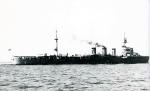

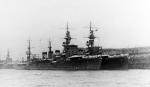


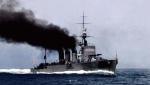
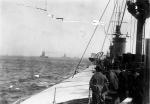
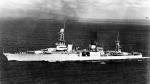
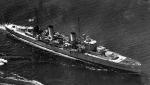
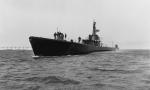
Natori was a Nagara-class light cruiser in the Imperial Japanese Navy. She was the third vessel completed in the Nagara class of light cruisers. Like other vessels of her class, she was intended for use as the flagship of a destroyer flotilla.
Natori was completed at Mitsubishi’s Nagasaki shipyard on 15 September 1922. Soon after commissioning, Natori was assigned to patrols off the China coast. From 1938, the cruiser was based in Taiwan, and helped cover the landings of Japanese troops in southern China.
On 26 November 1941, Natori became flagship of Rear Admiral Kenzaburo Hara’s Destroyer Squadron 5 under Vice Admiral Ibo Takahashi’s Third Fleet and was assigned to the No.1 Surprise Attack Unit of the Philippine Seizure Force. At the time of the attack on Pearl Harbor, Natori was escorting six transports carrying elements of the IJA’s 48th Infantry Division from Mako, Pescadores to Aparri, northern Luzon. The landing force was attacked by three USAAF B-17 Flying Fortress bombers of the 14th Squadron on 10 December 1941, which damaged Natori and the escorting destroyer Harukaze with near misses. After repairs at Mako, Natori ferried 27 transports with the 47th Infantry Regiment of the 48th Infantry Division and the 4th Tank Regiment to Lingayen Gulf in late December.
On 26 December 1941, Natori was reassigned to the No. 2 Escort Unit with the light cruiser Kashii, and tasked with escorting 43 transports of the Third Malaya Convoy to Singora.
Natori was later assigned escort duties to cover the invasion force for the Dutch East Indies, and participated in the Battle of Sunda Strait on 28 February 1942.
Natori with Destroyer Division 5’s Asakaze, Destroyer Division 11’s Shirayuki, Hatsuyuki, Destroyer Division 12’s Shirakumo and Murakumo and Destroyer Division 27’s Shiratsuyu with Cruiser Division 7’s Mikuma and Mogami deployed north and west of the landing areas. The heavy cruiser USS Houston and the light cruiser HMAS Perth sortied for Tjilatjap via the Sunda Strait and attacked Japanese troop transports screened only by Harukaze, Hatakaze and Fubuki. The destroyers made smoke to mask the transports. Fubuki charged Houston and Perth and launched torpedoes.
The Third Escort Force’s Natori and her destroyers arrived with the Western Support Force’s Mogami, Mikuma and Shikinami. Shiratsuyu opened fire on the Allies. Natori, with Hatsuyuki and Shirayuki, then opened fire and rapidly closed the range. The Allied cruisers turned northeast and Natori and her destroyers headed southeast in three columns. In 9 minutes they launched 28 torpedoes at the Allies. Perth‘s gunfire damaged Harukaze‘s rudder and Shirayuki‘s bridge.
Mikuma and Mogami each fired six Type 93 torpedoes at Perth from about 9,300 yards (8,500 m.) and opened main battery fire from about 12,000 yards (11,000 m.), assisted by searchlights on their destroyers. Mogami fired six torpedoes at Houston. They missed, but hit the Army transports Sakura Maru, Horai Maru, Tatsuno Maru and the Commander-in-Chief of the invading Japanese 16th Army, Lieutenant General Hitoshi Imamura’s transport Ryujo Maru.
Altogether, the Japanese launched about 90 torpedoes in the engagement. Perth, low on ammunition, was making 28 knots (52 km/h.) when the first torpedo hit her forward engine room. Two more torpedoes hit her forward magazine and aft, and she sank 3 nautical miles (6 km.) east-northeast of St. Nicholas Point after a fourth torpedo hit. Some time later Houston also sank.
On 10 March 1942, Natori was assigned to Cruiser Division 16 with the light cruiser Nagara. After the occupation of Java, Natori participated in the Battle of Christmas Island. At Christmas Island on 1 April 1942 the submarine USS Seawolf fired three torpedoes at Natori, but all missed. The cruiser Naka which was hit starboard near her No. 1 boiler was not so lucky, and had to be towed back to Bantam Bay by Natori.
In April, Natori was assigned to patrols of the Java Sea, which continued into June. After a refit back at Maizuru, Natori returned to the Java Sea and Timor Sea until December, with occasional calls at Mergui in Burma, Penang, Singapore and Davao.
On 21 December 1942, Natori embarked a Special Naval Landing Force, which it disembarked at Hollandia, New Guinea.
On 9 January 1943, 18 nautical miles (33 km.) southeast of Ambon, Natori was sighted by the submarine USS Tautog at about 3,000 yards (3,000 m.). Tautog fired two torpedoes which hit Natori in the stern. It broke off and carried away her rudder. In the next few minutes, as Natori got underway at reduced speed, Tautog fired two more torpedoes, but they either missed or were duds and Natori managed to escape.
On 21 January 1943, while at Ambon, Natori was damaged by a near-miss starboard side by a 500 lb. (230 kg.) bomb dropped by a Consolidated B-24 Liberator bomber of the 90th Bomb Group’s 319th Bomb Squadron. The bomb opened plates and caused the No. 2 boiler room to flood. Natori departed Ambon that day for repairs at Makassar, but repair proved impossible, so Natori continued on to Seletar Naval Base, Singapore. Repairs were not completed until 24 May 1943, but by then a decision was made to send Natori back to Japan for further repairs and modernization.
At Maizuru Naval Arsenal, Natori‘s No. 5 and No. 7 140 mm. guns were removed as were her catapult and derrick. A twin Type 89 127 mm. HA gun was fitted, as were two triple mount Type 96 25 mm. AA guns. This brought Natori‘s 25 mm. AA suite to fourteen barrels (2×3, 2×2, 4×1). A Type 21 air-search radar was fitted and hydrophones were installed at her bow. Repairs and modernization were completed on 1 April 1944, and Natori was assigned as the flagship of the Central Pacific Fleet’s Destroyer Squadron 3.
On 5 June 1944, Natori embarked an Imperial Japanese Army detachment from Kure to Davao, Mindanao where the cruiser disembarked the Army detachment and embarked other troops for Palau, arriving on 17 June 1944 (the day before the Battle of the Philippine Sea. Natori remained at Davao in late June through August as a guard ship.
On 20 July 1944, the submarine USS Bluegill patrolling off Davao spotted Natori making 26 knots (48 km/h.), but was unable to gain a favorable firing position. Natori arrived in Palau 21 July 1944 to help evacuate 800 Japanese and Korean «comfort women» to Davao.
On 18 August 1944, 200 nautical miles (370 km.) east of Samar, Natori was accompanying the transport T.3 to Palau when they were spotted by the submarine USS Hardhead east of San Bernardino Strait. Hardhead identified the target as a battleship and closed for a surface attack. One torpedo of its first salvo of five Mark 23 torpedoes fired at 2,800 yards (2,600 m.) hit Natori portside in a boiler room. She stopped dead in the water and was hit starboard amidships with one of a second salvo of four Mark 18 torpedoes.
Around 7am, Natori sank, taking 330 crewmen including Captain Kubota with her. The destroyers Uranami and Kiyoshimo rescued 194 survivors, and the submarine USS Stingray recovered four more survivors in a rubber raft. On 12 September 1944, almost a month after her sinking, the destroyer USS Marshall captured a lifeboat with another 44 survivors from Natori aboard.
According to survivor Matsunaga Ichirô, three cutters from Natori containing 180 survivors rowed 13 days from the site of the sinking to a Japanese torpedo-boat station located on the northeastern tip of Mindanao Island near Surigao. Natori was removed from the Navy List on 10 October 1944.
FUENTES Y REFERENCIA – SOURCES & REFERENCE
combinedfleet.com
Wikiedia
©jmodels.net
 jmodels.net
Debe estar conectado para enviar un comentario.