
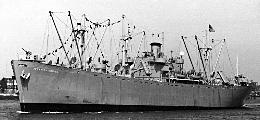
| DATOS TÉCNICOS | TECHNICAL DATA |
| TIPO: Buque Clase Liberty. | TYPE: Liberty ship. |
| CONSTRUCTOR: New England Shipbuilding Corporation. | BUILDER: New England Shipbuilding Corporation. |
| BOTADURA: 19 June 1943 | LAUNCHED: 19 June 1943 |
| DESPLAZAMIENTO: 14.450 toneladas. | DISPLACEMENT: 14,450 tons. |
| ESLORA: 134,57 m. | LENGTH: 441.6 ft. |
| MANGA: 17 m. | BEAM: 57 ft. |
| PUNTAL: 8,46 m. | DRAUGHT: 27.9 ft. |
| VELOCIDAD MÁX.: 11 nudos (20 km/h). | MAX. SPEED: 11 knots (13 mph). |
PROPULSIÓN:
|
PROPULSION:
|
| AUTONOMÍA: 20.000 mil. náut. (37.000 km). | RANGE: 20,000 nmi (23,000 ml). |
ARMAMENTO:
|
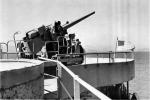
ARMAMENT:
|
| TRIPULACIÓN: 60-100 | CREW: 60-100 |
| CONSTRUIDOS: 2.710 (Clase Liberty) | BUILT: 2,710 (Liberty Ship). |
El 19 de junio de 1943, el Liberty Ship S.S. Jeremiah O’Brien, un barco de clase EC2-S-CI construido en sólo 56 días, se deslizó al agua en el astillero New England Shipbuilding Corporation en South Portland, Maine (EE.UU.). Poco después entró en servicio, operado por Grace Line para la War Shipping Administration. El O’Brien, que lleva el nombre del primer estadounidense que capturó un buque de guerra británico durante la Guerra de Independencia, realizó siete viajes durante la Segunda Guerra Mundial, desde Inglaterra e Irlanda del Norte hasta América del Sur, la India y Australia. También realizó once travesías del Canal de la Mancha llevando personal y suministros a las playas de Normandía en apoyo de la invasión del Día D. Después de la guerra, estuvo inactivo y consignado a la Flota de Reserva en Suisun Bay, al norte de San Francisco (California).
Treinta y tres años después, las hábiles maniobras de un funcionario de la Administración Marítima de los EE. UU. (ex marinero de un buque Liberty) salvaron al O’Brien de ser achatarrado. En 1979, después de cientos de horas de trabajo por parte de voluntarios de la tripulación para eliminar gruesas capas de conservantes, el O’Brien se dirigió a San Francisco para ser restaurado. Ningún otro barco ha salido nunca de la antigua flota de reserva por sus propios medios.
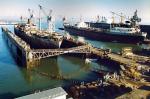
Tras ser restaurado en dique seco, generosas donaciones de dinero y suministros por parte de numerosos individuos y empresas, y miles de horas de trabajo de restauración por parte de su tripulación voluntaria, el viejo barco entró en servicio en la Bahía de San Francisco. Es un monumento a los marineros de la Marina Mercante de los EE. UU. que sirvieron en los barcos Liberty en la Segunda Guerra Mundial, a sus tripulaciones de la Armada y a los hombres y mujeres civiles que construyeron la clase de barcos más grande de la historia: más de 2.700. Estos buques de carga anticuados y lentos desempeñaron un papel vital, aunque poco reconocido, en la victoria de los Aliados en la Segunda Guerra Mundial.
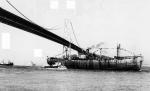
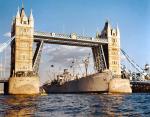
En 1994, el O’Brien, en lo que iba a ser su octavo viaje épico, atravesó el Golden Gate, recorrió la costa oeste, atravesó el Canal de Panamá y cruzó el Atlántico hasta Inglaterra y Francia, donde el buque y su tripulación (una notable colección de veteranos cuya edad media era de 70 años y algunos cadetes de la Academia Marítima de California), participó en el 50º aniversario de la Operación Overlord, la invasión aliada en Normandía que cambió el rumbo de la Segunda Guerra Mundial en Europa. De los más de 5.000 barcos que formaron la armada original del Día D, el O’Brien fue el único barco que regresó 50 años después (aunque también lo hicieron barcos más pequeños de muchos países).
El barco y su tripulación fueron visitados por la Reina de Inglaterra desde el yate real Britannia, por el Presidente de los Estados Unidos y honrados en ambos lados del Canal de la Mancha en esa ocasión histórica. Al regresar al otro lado del Atlántico, su primer puerto de escala en Estados Unidos fue su lugar de nacimiento, South Portland, Maine. Continuando con lo que finalmente fue un viaje de seis meses y 18.000 millas, hizo escala en muchas otras ciudades de Estados Unidos antes de regresar triunfalmente a través del Golden Gate. El O’Brien realizó todo el viaje sin reparaciones importantes y llegó a cada puerto antes de lo previsto, un tributo a la habilidad y dedicación de los miembros voluntarios de la tripulación que lo mantuvieron y navegaron, y un testimonio de su robusto diseño y construcción.
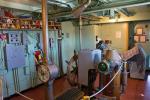
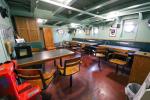
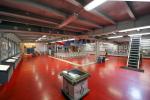
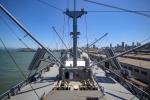
El O’Brien está aprobado por la Oficina Estadounidense de Transporte Marítimo y certificado por la Guardia Costera de los EE. UU., hallándose totalmente en condiciones de navegar, siendo el único buque de la Clase Liberty activo en su configuración original. Gestionado como National Liberty Ship Memorial, está amarrado en el muelle 45, Fisherman’s Wharf de San Francisco y abierto al público la mayoría de los días.
Hay otro barco Liberty activo, el S.S. John W. Brown en Baltimore (Maryland). Modificado como buque de transporte de tropas durante la Segunda Guerra Mundial, sufrió más modificaciones durante muchos años como buque escuela en Nueva York antes de comenzar su vida actual como buque museo.
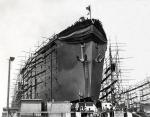
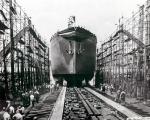
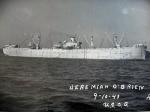
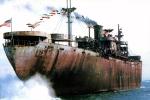
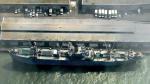
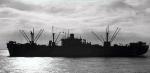


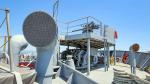
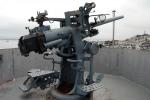
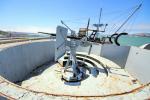
On 19 June 1943 the Liberty Ship S.S. Jeremiah O’Brien, a class EC2-S-CI ship built in just 56 days, slid down the ways at the New England Shipbuilding Corporation in South Portland, Maine (USA). Shortly thereafter she entered service, operated by Grace Line for the War Shipping Administration. Named for the first American to capture a British naval vessel during the Revolutionary War, the O’Brien made seven World War II voyages, ranging from England and Northern Ireland to South America, to India, to Australia. She also made eleven crossings of the English Channel carrying personnel and supplies to the Normandy beaches in support of the D-Day invasion. After the war, she was «mothballed» and laid up in the Reserve Fleet at Suisun Bay, north of San Francisco (California).
Thirty-three years later, skillful maneuvering by a U.S. Maritime Administration official (himself a former Liberty ship sailor) saved the O’Brien from the scrap yard. In 1979, after hundreds of hours labor by volunteer crew members to remove thick layers of preservatives, the O’Brien headed for San Francisco to be restored. No other ship ever has steamed out of the mothball fleet under her own power.
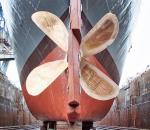
Following dry-docking, generous donations of money and supplies by numerous individuals and companies, and thousands of hours of restoration work by her volunteer crew, the old ship entered service on San Francisco Bay in like-new condition. She is a steaming memorial to the seamen of the U.S. Merchant Marine who served on Liberty ships in World War II, to their Navy gun crews, and to the civilian men and women who built the largest single class of ships in history: More than 2700 of these old-fashioned, homely, slow cargo vessels, that played such a vital, if unglamorous, role in winning World War II, were commissioned.
In 1994 the O’Brien, in what was to be an epic eighth voyage, steamed through the Golden Gate, down the west coast, through the Panama Canal, and across the Atlantic to England and France, where the O’Brien and her crew (a remarkable collection of old salts whose average age was 70 and a few cadets from the California Maritime Academy), participated in the 50th Anniversary of Operation Overlord, the Allied invasion at Normandy that turned the tide of World War II in Europe. Of the more than 5,000 ships that formed the original D-Day armada, the O’Brien was the only ship to return 50 years later (although smaller vessels from many countries also returned).
She and her crew were reviewed by the Queen of England from the royal yacht Britannia, visited by the President of the United States, and honored on both sides of the English Channel on that historic occasion. Returning across the Atlantic, her first U.S. port of call was her birthplace, South Portland, Maine. Continuing what was ultimately a six-month, 18,000 mile journey, she called at many other U.S. cities before making her triumphant return through the Golden Gate. The O’Brien made the entire voyage with no significant repairs and arrived at each port ahead of schedule, a tribute to the skill and dedication of the volunteer crew members who maintained and sailed her, and a testimony to her sturdy design and construction.
The O’Brien is approved by the American Bureau of Shipping, certified by the U.S. Coast Guard, and fully seaworthy, being the only active Liberty Ship in original configuration. Operated as the National Liberty Ship Memorial, she is moored at Pier 45, Fisherman’s Wharf and open to the public most days.
One other Liberty ship is known to be active, the S.S. John W. Brown in Baltimore. Modified into troopship configuration during WW II, she underwent further modifications during many years as a school ship in New York before beginning her current life as a museum vessel.
FUENTES Y REFERENCIA – SOURCES & REFERENCE
ssjeremiahobrien.org
cnet.com
©jmodels.net
 jmodels.net
Debe estar conectado para enviar un comentario.