
Kovozávody Prostějov KPM
0480
De un vistazo – Quick look
MATERIAL Y PIEZAS
MEDIA & PARTS:
- Plástico inyectado (49 piezas), acetato (2 piezas).
- Injected plastic (49 parts), acetate (2 parts).
CALCAS – DECALS:
- Insignias alemanas y británicas, arneses, logotipos del fabricante, marcas de la 32ª Escuadrilla británica y marcas personales alemanas. Brillantes y en apariencia delgadas. Buena saturación de color y registro. Exceso de soporte en la mayoría.
- German crosses and British roundels, seat belts, AGO logos, markings of the RFC 32nd Squadron and German personal markings. Glossy and apparently thin. Good color saturation and register. Excess of carrier film on most of them.
OPCIONES – OPTIONS:
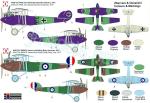
- AGO CIV. FA68. XS. Imperial German Air Service. 1917.
- AGO CIV. 8964/16. Captured by the Royal Flying Corps. July, 1917.
INSTRUCCIONES – INSTRUCTIONS:
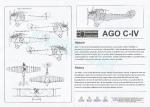
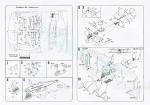
- Folleto de formato A5 de 4 páginas impreso en blanco y negro. Contiene un sumario histórico sobre el avión, un plano numerado de piezas, 10 secuencias de montaje y perfiles. La cara trasera de la caja muestra perfiles en color y referencias de pinturas con denominaciones genéricas.
- 4-page A5 brochure printed in black and white. It shows a historical summary about the aircraft, a numbered parts plan, 10 construction sequences and profiles. The back side of the box has profiles and a list of colors with generic references.
LO MEJOR – THE BEST:
- Buen detalle general. Carlinga y armamento decente.
- Nice detail overall. Decent cockpit and machine-gun pieces.
LO PEOR – THE WORST:
- Montaje del motor y soportes del fuselaje. Algunas piezas quebradizas.
- Engine and cabane struts assembly. Some brittle pieces.
VALORACIÓN – CONCLUSION:
- Primera maqueta de este avión en plástico. Aún para el modelista habituado a estas ediciones, tiene sus pequeños retos en el detalle situado por delante de la carlinga. La recompensa es un avión bien raro en la vitrina.
- First kit of this aircraft in plastic. Even for the experienced modeler, it has some challenges in the construction of the fuselage deck. The reward is an aircraft really odd to see on a shelf.

La maqueta
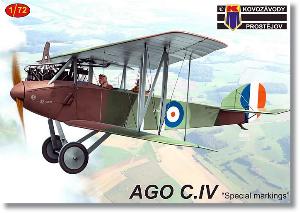
Como en tantas otras ocasiones, de este avión sólo había maquetas de resina anteriormente hasta que KP lo ha sacado por vez primera en plástico. La marca checa ha lanzado cuatro cajas, todas ellas con aviones alemanes y en las versiones inicial y final. Esta caja es el último lanzamiento por ahora y contiene una versión alemana y otra británica de un aparato capturado.
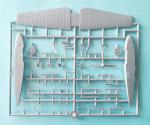
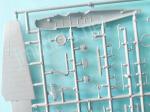
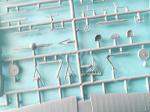
La caja contiene dos bastidores de piezas grises, una lámina de acetato con los parabrisas, las calcas y las instrucciones. Como es costumbre, el contenido está envuelto en una práctica bolsa de plástico con cierre adhesivo.
Las piezas de plástico no tienen defectos de moldeado. Hay un par de marcas positivas en el interior de la carlinga que afectan al detalle, pero, no son muy evidentes y pueden disimularse con cierta facilidad. Algunas piezas, como las ruedas y el anillo de la ametralladora dorsal, muestran ligeros restos de rebabas sencillos de eliminar. El motor también tiene algunas algo más visibles. El detalle general de las alas y el fuselaje muestra paneles grabados y especialmente el entelado de las alas y la cola con formas realistas sin perfiles excesivos.
La construcción del modelo no es sencilla para el modelista novato o menos hábil, especialmente tratándose de un biplano. Para el modelista habituado a las ediciones limitadas esta debería ser otra muesca en el cinturón, dicho esto con las prevenciones necesarias, porque la instalación del motor y de las piezas situadas por delante de la cabina parece bastante delicada.
Las instrucciones parecen las mismas para todas las cajas de la maqueta, ya que permiten optar por un C.IV inicial, con tres soportes externos entre las alas, o uno final, con dos de los soportes unidos en forma de N invertida, pero en realidad en esta caja se representa el modelo final, caracterizado por alerones en los dos planos, timón de cola por delante de la deriva y las palas más puntiagudas que en las de la primera versión.
Las terminaciones de pintura son variadas. Los dos aviones llevan patrones de camuflaje distintos, aunque los colores nombrados en la caja son genéricos, por ello el modelista debe buscar coincidencias de pintura adecuadas. Tanto el avión capturado por el RFC británico como su alternativa alemana están documentados en fotos de la Gran Guerra.
Revisión
Los lados internos de la carlinga están detallados con la estructura en relieve que abarca de uno al otro puesto de los tripulantes. Sobre ellos hay tambores de munición para la ametralladora trasera y algunos pocos instrumentos más. Sobre el único suelo hay dos asientos diferentes de buena factura situados sobre pedestales, los pedales, los controles en forma de volante y el panel con los instrumentos en relieve. Los asientos tienen arneses de calca.
Las mitades del fuselaje presentan en el exterior superficies en gran parte lisas, pero grabadas principalmente en torno al motor. Debido a un error en el moldeado, el estribo está marcado en relieve en lugar de hueco. Las líneas son finas y están bien ejecutadas. El motor viene en una pieza a la que hay que limpiar las líneas de molde, pero el detalle no está mal, apreciándose con nitidez los cilindros y conductos. La pieza no será fácil de instalar dentro del fuselaje, ya que trae una marca positiva en uno de los lados de la base y también hay marcas sobre los lados del fuselaje que deben eliminarse para facilitar el ajuste. El eje de la hélice incluido en la pieza conviene modificarlo por otro más largo. El escape está unido a varios colectores en forma de tubos muy finos pegados a las cabezas de los cilindros. Sustituir los colectores de plástico por hilo de cobre evitará que se partan con facilidad bajo el escape alargado y ancho. Un par de conductos finos unen el motor con el radiador situado en el plano superior, pero faltan los que llevan el combustible desde el depósito en el ala izquierda. La hélice está unida al cono horadado en su lado trasero. La pieza tiene ligeras rebabas en los bordes de las palas, que son finas y tienen una torsión realista.
El capó del motor está detallado con varias tapas y accesos. Por delante del puesto de pilotaje, que cuenta con un anillo externo bien definido, hay que situar los soportes intermedios de las alas y la ametralladora Spandau sobre soportes situados en el lado izquierdo, ya que no estaba instalada directamente sobre la cubierta delantera. El arma está bien definida y tiene la bocacha y la chaqueta del tubo detalladas.
Los parabrisas son de acetato transparente, aunque el trasero no se aprecia en fotos de este avión y probablemente no se instalara siempre. Por delante del parabrisas trasero hay otro soporte intermedio de los planos superiores y el bastidor cuadrado pegado sobre él que servía para retener el giro de la ametralladora trasera de modo que no pudiese disparar sobre la hélice o golpear al piloto. Esta pieza es bastante mala y está unida al bastidor de tal manera que resulta fácil partirla, así que parece mejor reemplazarla por hilo de cobre, por ejemplo. El puesto trasero tiene el anillo giratorio separado y una ametralladora Parabellum fina, bien definida y con el tambor de munición aparte.
Las alas del plano inferior están unidas con un panel que encaja bajo el fuselaje. Los planos superiores, sin embargo, vienen separados con junta a tope, lo cual no beneficia al montaje. Las superficies están bien moldeadas, aunque son un poco rugosas al tacto. Nada que no pueda afinar unas pasadas de lija de gramaje alto. El relieve del entelado es suave y me parece bien conseguido, lo mismo que el grabado de los alerones y sus bisagras definidas. No son tan acertadas las marcas para situar los puntales entre las alas, porque algunas han quedado marcadas en relieve en vez de huecas, lo que obliga a abrirlas con cuidado de mantener la forma aerodinámica del soporte. Los bordes de ataque muestran leves líneas de molde.
El plano superior contiene el radiador moldeado en relieve por ambas caras con las rejillas bien representadas y un fino tubo pegado encima. En el ala opuesta aparece lo que debe ser el depósito de combustible, también grabado con nitidez, pero el lado inferior es plano, sin el drenaje de salida .
Los soportes de las alas constan de tres puntales en los externos y solamente uno en la mitad del ala. Todas las piezas son finas y están correctamente perfiladas. En el caso de la versión final hay un soporte suelto y dos unidos en forma de N invertida. Los soportes situados sobre el fuselaje son tres en forma de V invertida, dos a los lados del motor y uno entre las carlingas.
Los estabilizadores tienen un suave relieve en la estructura entelada y también necesitan una suave pasada de lija. La pieza va pegada directamente sobre el puro de cola. Los timones están grabados con finura y hay cuatro soportes separados reproducidos en varillas finas. El timón vertical tiene la forma de coma del modelo inicial con el relieve de la estructura casi imperceptible y los enganches de los cables en ambos lados. A esta pieza va añadida una aleta por delante de superficies lisas, característica del modelo C.IV final.
El tren de aterrizaje trasero consta de un patín insertado en el fuselaje. El principal está formado por dos soportes en V, el eje carenado y las ruedas. El eje tiene un mecanismo separado que parece de freno o retención en su centro. Las ruedas tienen los neumáticos bien marcados y finos, llantas lisas y el acceso a las válvulas de aire grabados.
Las calcas reproducen cruces alemanas y escarapelas británicas, los arneses, logotipos del fabricante, marcas del 32ª Escuadrilla británica y personales del aparato alemán. El acabado es muy brillantes y en apariencia son delgadas. Tienen buena saturación de color y registro, aunque en esta ocasión KP no se ha lucido mucho con el soporte, que es demasiado ancho en la mayor parte de calcas.
El folleto de instrucciones, común para todas las versiones de las diferentes cajas de este molde, tiene formato A5 y consta de cuatro páginas impresas en blanco y negro. En ellas aparecen un sumario histórico sobre el avión, un plano numerado de piezas, diez secuencias de montaje y perfiles para arriostrar el modelo. La cara trasera de la caja muestra perfiles en color y referencias de pintura con denominaciones genéricas.
Las opciones para pintar la maqueta ofrecen aviones documentados en fotografías. El primero es un avión capturado por la 32ª Escuadrilla británica en las proximidades de Woesten (Bélgica), en julio de 1917. Trasladado a Gran Bretaña para hacerle pruebas, se estrelló en agosto del mismo año. El patrón de camuflaje lleva colores alemanes de fábrica empleados por AGO. El aparato alemán tiene un camuflaje de color violeta (que podría ser igualmente marrón oscuro) y verde, también típico de AGO, que el fabricante podría haber empleado a partir de la segunda mitad de 1917. Lo que es más raro es el color de tela de las superficies inferiores y los soportes, que normalmente se pintaban de color azul claro.
Valoración
KP vuelve a traernos por primera vez un avión que hasta ahora sólo conocíamos de resina. En general, la maqueta está bien detallada y en este aspecto destaca la carlinga.
La construcción del modelo requiere un plus de destreza en ciertos momentos del montaje. La zona del motor no parece sencilla de armar por la acumulación de piezas que deben alinearse correctamente (motor, escapes, soportes de las alas, ametralladora y parabrisas). Tampoco el despiece en dos mitades de los planos superiores ayuda a hacerlo más fácil, ya que deben añadirse los conductos entre el radiador y el motor, además de los del depósito de combustible, que la maqueta no trae. En lo demás, la construcción no difiere de la de otras maquetas de biplanos de serie limitada.
Las terminaciones de pintura están bien estudiadas en las fotos disponibles de ambos aviones y son variadas en lo posible, y en esta caja la más especial es la del AGO con marcas británicas. Una rareza para la vitrina, sin duda.◊

The kit
As on so many other occasions, this is an aircraft which had only been available in resin kits until KP released it for the first time in plastic. The Czech manufacturer has launched four boxings, all with German aircraft in initial and final variants. This boxing is the latest release for now and contains a German and a British version of a captured aircraft.
The box contains two sprues of grey parts, an acetate sheet with the windscreens, the decal sheet, and the instructions. As usual, the content is wrapped in a practical self-sealing bag.
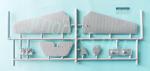
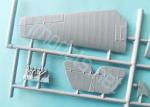
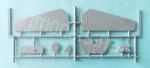
Parts have no molding blemishes. There are a couple of positive marks inside the cockpit that affect detail, but they are not very obvious and can be easily hidden. Some parts, such as the wheels and the rear machine gun ring, show light flash easy to remove. The engine also has some more visible seam lines. Detail on the wings and fuselage shows engraved panels and a nice rendition of the raised structural detail on wing and tail surfaces.
Building this kit is not easy for the novice or less skilled modeler, especially being a biplane. For the modeler used to short runs, this should be, with some reservation, another notch under the belly though the attachment of the engine and the parts forward of the cockpit seems quite delicate.
The instructions are the same for all the boxings and allow for a choice of an early C.IV, with three outboard wing struts, or a late one, with two of the struts joined in an inverted N shape. However, this kit actually represents the late model, characterized by ailerons on both wings, a fin forward of the tail rudder, and more pointed blades.
Paint finishes are varied. The two aircraft wear different camouflage patterns, although the colors listed on the box are generic, so the modeler has to seek suitable paint matches. Both the aircraft captured by the British RFC and the German alternative are documented in WWI photos.
Review
The cockpit walls are detailed with the raised structure comprising both crew stations. The detail molded on the sides are ammo drums for the rear machine gun and a few other instruments. On the single floor are two different, well-made seats glued on the bases, the pedals, the steering wheel-shaped controls, and the panel with raised instruments. The seats have decal harnesses.
The fuselage halves have smooth exterior surfaces mostly engraved around the engine. Due to a molding mistake, the side foothold is raised rather than hollow. The engine comes in one piece with some seam lines to clean up, but detail is not bad and the cylinders and ducts clearly visible. The piece will not be easy to install inside the fuselage, as it has a positive mark on one side of the base, and there are also marks on the fuselage sides that need to be removed to fit the part. The short propeller shaft included in the piece should be replaced by a longer one. The exhaust is attached to several manifolds in the form of very thin tubes glued to the cylinder heads. Replacing the plastic manifolds with copper wire will prevent them from splitting easily under the long, wide exhaust. A pair of thin ducts connect the engine to the radiator in the upper wing, but the ones carrying fuel from the tank in the left wing are missing. The propeller comes attached to the spinner. The part has slight flash on the blades, which are thin and have a realistic twist.
The engine cowling is detailed with several covers and accesses. Forward of the cockpit there are pieces to build the cabane struts and a Spandau machine gun attached on tabs molded on the left struts as it was not installed directly on the deck. The weapon is well detailed and has a defined muzzle and jacket.
The windscreens are made of clear acetate, although the rear one is not visible in photos of this aircraft and was probably not always installed. In front of the rear windshield is another cabane strut and the square frame glued onto it that was used to retain the rear machine gun rotation so that it couldn’t fire on the propeller or hit the pilot. This part is quite poor and difficult to cut from the sprue without beaking it, so it seems better to replace it with copper wire, for example. The observer station has a separate rotating ring and a well-defined Parabellum machine gun with a separate ammo drum.
The lower wings are joined with a panel that fits under the fuselage. The upper wings, however, are separated with a butt joint, which doesn’t benefit assembly. The surfaces are well molded, although they are a little rough to the touch. Nothing that a few passes of soft grit sandpaper can’t refine. Fabric detail is smooth and looks well done, as does the engraved ailerons and the defined hinges. The marks for locating the wing struts are not as good, and some are molded raised instead of hollow, requiring careful drilling to keep the aerodynamic shape of the strut. The leading edges show faint seam lines.
The upper plane contains the radiator, molded raised on both sides with the grilles clearly represented and a thin tube glued on top. The opposite wing shows what must be the fuel tank, also clearly engraved, but the underside is flat, lacking the fuel drain.
The stabilizers have a gentle raised structure and also need some soft sanding. The part is glued right onto the tail cone. The rudders are finely engraved and have four separate struts in thin rods. The vertical rudder has the comma shape of the early model, with the structure almost imperceptible and the cable horns on both sides. A forward fin with smooth surfaces, characteristic of the late C.IV variant, is added to this piece.
The rear landing gear consists of a skid inserted into the fuselage. The main gear is built with two V-shaped struts, a faired axle, and the wheels. The axle has a separate brake or hook in the middle. The wheels have engraved, thin tires, smooth rims, and engraved filler caps.
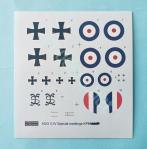
The decal sheet is printed with German crosses and British cockades, harnesses, manufacturer logos, British 32nd Squadron labels, and personal markings for the German aircraft. They have a very glossy finish and look thin. Color saturation and register are good, although there is surplus carrier film on most of them.
The A5 instruction booklet has four pages printed in black and white. It includes a historical summary of the aircraft, a numbered parts plan, ten assembly sequences, and profiles for rigging the model. The back of the box shows color profiles and paint references with generic names.
Paint choices include aircraft documented in WWI pictures. The first is an aircraft captured by the RFC 32nd Squadron near Woesten, Belgium, in July 1917. It was taken to Britain for testing and crashed in August of the same year. The camouflage pattern features German factory colors used by AGO. The German aircraft has a violet (which could have been dark brown instead) and green camouflage pattern, also typical of AGO, that the manufacturer would have used from the second half of 1917. The fabric color of the lower surfaces and struts is a bit strange as they were usually painted light blue.
Conclusion
Again, KP have released an aircraft that we only knew in resin so far. Overall, the kit looks well detailed, with the cockpit standing out in this aspect.
Building the kit needs extra skill at certain stages of assembly. The engine deck doesn’t seem easy to assemble due to the number of parts to attach (engine, exhausts, wing struts, machine gun and windshield). The fact that the upper wings are divided into two halves doesn’t help add the ducts between the radiator and the engine as well as those for the fuel tank, which are not included. Otherwise, the construction is no different from other short-run biplane kits.
Paint finishes are well studied in the available photos of both aircraft and are as varied as possible, with the AGO in British markings as the most unique feature in this boxing. Unquestionably, a rarity for the shelf.◊
Publicado – Published: 10 / 2025
©www.jmodels.net
 jmodels.net
Debe estar conectado para enviar un comentario.