
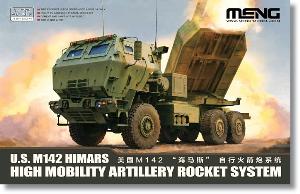
De un vistazo – Quick look
MATERIAL Y PIEZAS
MEDIA & PARTS:
- Plástico inyectado (68 piezas), plástico transparente (4 piezas), goma (6 piezas).
- Injected plastic (68 parts), clear plastic (4 parts), rubber (6 parts).
CALCAS – DECALS:
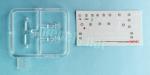
- Hoja impresa por el propio fabricante que contiene estarcidos para el sistema lanzador y el camión. Aspecto fino y brillante. Sin exceso de soporte y cierta nitidez pese al tamaño.
- The sheet is printed by the manufacturer and contains stencils for the launcher and the vehicle. Thin and glossy appearance without excess carrier film. Decals look sharp despite the size.
OPCIONES – OPTIONS:
- M142 HIMARS. Vehículo pintado en verde.
- M142 HIMARS. Vehicle painted overall green.
INSTRUCCIONES – INSTRUCTIONS:
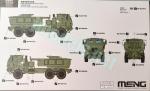
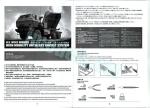
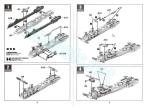
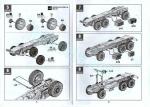
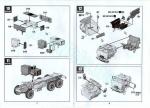
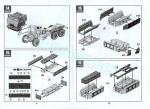
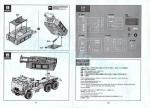
- Folleto doblado de 12 páginas de tamaño A5 impreso en blanco y negro. Contiene 19 fases de montaje y un plano de piezas sin numerar. La cara trasera de la caja muestra perfiles en color con referencias de pintura de AK Interactive.
- 12-page A5 folded leaflet printed in black and white containing 19 assembly steps and a parts diagram without numbers. The back side of the box shows profiles in color with references in AK Interactive paints.
LO MEJOR – THE BEST:
- Limpieza del molde. Buen detalle externo. Montaje sencillo. Lanzador girable con opciones de montaje.
- Clean tooling. Nice external detail. Easy build. Rotatable launcher with assembly choices.
LO PEOR – THE WORST:
- Neumáticos de goma (aunque limpios y aceptables en la maqueta).
- Rubber tires (though clean and acceptable in the kit).
VALORACIÓN – CONCLUSION:
- Por su sencillez de montaje y detalle es una buena opción entre los diferentes HIMARS en esta escala que tenemos en el mercado actualmente.
- Ease of assembly and overall detail make this kit a nice alternative to consider among the different 1/72 HIMARS kits in the market today.

La maqueta
Parece que el M142 HIMARS está de moda en los últimos años en la escala pequeña. Foreart, Dragon, FC Model Trend y alguna otra marca menos conocida han sacado maquetas de este lanzacohetes. Ahora le ha llegado el turno a Meng Models, que desde no hace mucho tiempo también ha abierto un nuevo filón en las maquetas de vehículos militares de tono menor.
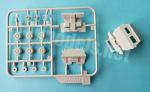
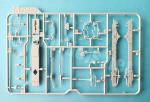
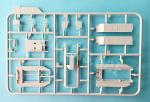
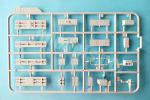
La caja contiene cuatro bastidores de piezas, un bastidor transparente, la cubierta de la cabina separada, seis neumáticos de goma en una bolsa aparte, una pequeña hoja de calcas y el folleto de instrucciones. El molde muestra una limpieza excepcional, sin rebabas ni deformaciones en las piezas y tan solo algunas marcas leves en zonas invisibles, como la parte interna de los largueros del chasis.
La construcción del modelo parece bastante sencilla y la edición mejora, por ejemplo, la maqueta de Dragón que misteriosamente carece de piezas transparentes para las ventanas. En cambio, Meng proporciona las ruedas de goma, pero hubiesen sido más apreciadas por aquellos a los que no les gusta este material si las hubiese fabricado de plástico o, como en el caso de Foreart, impresas en 3D.
Chasis, suspensión y transmisión
El chasis es bastante simple y contiene una pieza intermedia entre los dos largueros que nos facilita mucho el montaje de la estructura. La pieza muestra la parte inferior del motor y la caja de cambios en la zona delantera. La cara superior, que viene tapada, nos servirá posteriormente para montar tanto la cabina como la plataforma del armamento. Los largueros van pegados a los lados de la pieza recién descrita. Estas piezas poseen un detalle bastante nítido en sus caras externas y contienen las ballestas y los amortiguadores delanteros representados con definición y limpieza. En un momento posterior añadiremos las cajas de respeto y el depósito de combustible. El depósito está detallado con cinchas y el tubo de llenado, mientras que el resto de piezas tiene un detalle suficiente para la escala.
El montaje continúa con la adición del tubo de escape, moldeado con el silenciador, la suspensión trasera, que contiene las ballestas, los amortiguadores y, curiosamente, el extremo de los ejes traseros ya que estos se han separado en tres partes, con los palieres y diferenciales separados. El eje delantero, sin embargo, es de una pieza con el diferencial y tiene la barra estabilizadora aparte. Hay también un travesaño entre los ejes traseros.
La transmisión está bien reproducida y comprende dos ejes y la caja de transferencia en piezas aparte. La primera de ellas une el motor y la caja de transferencia, mientras la segunda, más corta, está unida al diferencial del último eje y va pegada a la misma caja por su lado trasero.
El chasis queda completado al sumar dos piezas superpuestas en el extremo trasero que contienen las luces muy bien definidas, el gancho de remolque y el último travesaño del bastidor.
Ruedas
Las llantas de plástico están separadas de los neumáticos. Los lados externos poseen un detalle idéntico y nítido. Lo que serían los tambores de freno vienen sueltos y son distintos para las ruedas trasera y para las delanteras. Estas últimas llevan muescas para poder instalar la barra estabilizadora.
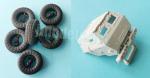
Los neumático de goma están limpios de rebabas o líneas de molde y muestran buen detalle tanto en las bandas de rodadura como en los laterales.
Cabina
La parte interna de la cabina está resumida en tres piezas: por un lado tenemos el suelo, las bases de los asientos y el salpicadero; por otro el panel trasero moldeado con los respaldos de los asientos y dos bases de antenas en los extremos superiores que quedarán fuera del interior; y por último el volante. La primera pieza muestra los instrumentos del salpicadero y la pantalla de control del sistema de lanzamiento reproducidos en fino relieve. El panel trasero encaja mediante pestañas justo por detrás de las bases de los asientos para facilitar la alineación de las dos piezas.
El lado frontal, los laterales y el techo de la cabina está incluidos en una sola pieza moldeada por separado. Los cristales son piezas transparentes encajados desde el interior en sus huecos. La cubierta de la cabina presenta muy buen detalle externo en el blindaje, la escotilla superior, la parrilla frontal y los marcos de las ventanillas y parabrisas. Los limpiaparabrisas y las barandillas verticales de acceso junto a las puertas están reproducidos in situ, aunque estas últimas no son muy realistas al no estar ahuecadas y conviene reemplazarlas.
La parte delantera inferior de esta pieza lleva unidos el paragolpes y la plancha de protección del motor. El paragolpes contiene los faros, luces y enganches de remolque finamente representados. Tras montar la pieza externa sobre el suelo, se pueden añadir los retrovisores y los estribos, moldeados con los escalones de acceso a la cabina.
Lanzacohetes
El sistema está reproducido en dos componentes: uno es el propio lanzacohetes y otro el sistema de control auxiliar situado entre la cabina y el lanzador que, según las instrucciones, se construye y añade al chasis transversalmente antes de montar la cabina.
El sistema auxiliar comprende dos contenedores de distinto tamaño más lo que parece un motor unido a sus soportes y un prominente tubo de salida no ahuecado. El contenedor mayor se forma a partir de una pieza interna a la cual se le añaden todos los lados separados excepto el inferior. El techo muestra una fina rejilla de ventilación en su centro, mientas que los laterales están grabados con varios accesos.
El lanzador se arma a partir de dos mitades longitudinales superpuestas y los lados separados. El detalle exterior sobre los lados es similar al del sistema auxiliar. La parte superior está detallada con los raíles y el cabrestante de recarga de los cohetes moldeado de una pieza.
El contenedor de los cohetes está despiezado en cuatro secciones y dos piezas añadidas en la parte frontal y trasera. El detalle de los tubos y el bastidor es bastante bueno. Los extremos de los tubos están cerrados ya que se asemejan a los de los misiles TOW, que sólo se abren al ser lanzados.
La plataforma del lanzador está separada en una pieza con un pequeño tubo ahuecado en su lado inferior que permite girarla. La parte superior también está detallada con algunos conductos e instrumentos. El sistema puede colocarse en posición horizontal de transporte o bien en posición de lanzamiento elevado y fijo mediante un brazo hidráulico.
Calcas
La hoja está impresa por el propio fabricante. Contiene estarcidos para el sistema lanzador y el camión con aspecto fino y brillante. Carecen de exceso de soporte y muestran cierta nitidez pese al tamaño.
Instrucciones
Se adjuntan en un folleto doblado de tamaño A5 con 12 páginas e impreso en blanco y negro. Contiene 19 fases de montaje y un plano de piezas sin numerar. La cara trasera de la caja muestra perfiles en color con códigos de pinturas de AK Interactive.
La única opción de pintura presenta un vehículo pintado completamente de verde, pero el modelista puede encontrar alternativas diferentes en internet, donde hallará otros patrones de color arena y en camuflaje tricolor OTAN aplicado incluso sólo en la cabina o en el lanzador.
Valoración
La maqueta posee un diseño bien pensado para facilitar mucho el montaje sin perder detalle. Este me parece notable en su mayor parte. Sólo el interior de la cabina es algo más básico pero la razón es que no la podremos mostrar abierta, como es habitual en muchos vehículos de esta escala.
Ciertamente los neumáticos de goma no serán bien recibidos por todo el mundo, pero las piezas están limpias, bien detalladas y a mi juicio pueden usarse sin problemas en la maqueta.
Con varios M142 HIMARS ya en el mercado hoy, esta es una opción que merece ser tenida en cuenta por modelistas de diferentes niveles de destreza y experiencia, incluso principiantes.◊

The kit
It seems the M142 HIMARS has become quite popular in recent years in the small scale. Foreart, Dragon, FC Model Trend, and some other lesser-known brands have released models of this rocket launcher. Now it’s Meng Models’ turn, which has recently opened up a new niche in military vehicle kits in the small scale.
The box contains four sprues of parts, one clear sprue, a separate cab shell, six rubber tires in a separate bag, a small decal sheet, and an instruction booklet. The mold shows exceptional cleanliness, with no flash or blemishes in the parts, and only a few slight marks on invisible areas, such as the inner sides of the chassis side members.
Construction seems quite straightforward, and the release improves upon, for example, Dragon kit, which mysteriously lacks clear parts for the windows. In contrast, Meng provides rubber tires, but they would have been more appreciated in plastic by those who dislike this material or, as in the case of Foreart, 3D printed.
Chassis, suspension and transmission
The chassis is quite simple and contains an intermediate piece between the two side members which makes the assembly of the structure much easier. The piece shows the lower part of the engine and the gearbox in the front area. The upper face will be later used to build both the cab and the launcher platform. The side members are glued to the sides of the piece just described. These pieces have quite a sharp detail on their external faces and contain the front springs and shock absorbers represented with definition and cleanliness. At a later stage we will add the spare boxes and the fuel tank. The tank is detailed with straps and the filling tube, while the rest of the pieces have sufficient detail for the scale.
Assembly continues with the addition of the exhaust pipe, molded with the muffler, the rear suspension, which contains the leaf springs, the shock absorbers and, curiously, the ends of the rear axles as these have been molded into three parts, with the axle shafts and differentials separated. The front axle, however, is one piece with the differential and has a separate anti-roll bar. There is also a cross member between the rear axles.
The transmission is well reproduced and comprises two axles and the transfer case in separate pieces. The first of these connects the engine and the transfer case, while the second is connected to the differential of the last axle and is attached to the rear side of the case.
The chassis is finished by adding two pieces at the rear end containing the well defined taillights, the tow hitch and the last cross member of the frame.
Wheels
The plastic rims are separate from the tires. The outer sides have identical, sharp detail. What would be the brake drums come loose and are different for the front and rear wheels. The latter have notches for installing the anti-roll bar.
The rubber tires are free from flash or seam lines and show good detail on both the treads and the sidewalls.
Cab
The internal part of the cockpit is summarized in three pieces: on one side we have the floor, the seat bases and the dashboard; on the other side the rear panel including the seat backs and two antenna bases at the upper ends outside the cab; and finally the steering wheel. The first piece shows the dashboard instruments and the launch system control screen molded raised. The rear panel fits by means of tabs just behind the seat bases to facilitate the alignment of the two pieces.
The cab front, sides and roof are included in a single, separately molded piece. The windows are clear pieces fitted from the inside into recesses. The cab shell has very good external detail on the armour, the upper hatch, the front grille and the window and windscreen frames. The windscreen wipers and the vertical access rails next to the doors are reproduced in place, although the latter are not very realistic as they are not hollowed out and should be replaced.
The lower front part of this piece has the bumper and the engine protection plate attached. The bumper contains the headlights and finely represented tow hooks. After attaching the cab shell to the floor, the mirrors and the footholds moulded with the step plates can be added.
Rocket launcher
The system is reproduced in two components: one is the rocket launcher itself and the other is the auxiliary control system located between the cockpit and the launcher which, according to the instructions, is built and attached to the chassis transversely before the cab.
The auxiliary system comprises two containers of different sizes plus what seems to be an engine attached to its mounts and a prominent, unhollowed out exhaust pipe. The larger container is formed from one inner piece to which all the separate sides are added except the bottom. The roof shows a thin ventilation grille in the middle, while the sides show engraved accesses.
The launcher is assembled from two overlapping longitudinal halves and the separate sides. The exterior detail on the sides is similar to that of the auxiliary system. The top is detailed with the rails and the pod reloading winch molded in one piece.
The rocket pod is broken up into four sections and two pieces added at the front and rear. The detail of the tubes and frame is quite good. The ends of the tubes are closed, resembling those of TOW missiles, which only open when fired.
The launcher platform is a separate piece with a small hollow tube underside that allows it to rotate. The top is also detailed with some ducts and instruments. The system can be placed in a horizontal transport position or in an elevated, fixed launch position using a hydraulic arm.
Decals
The sheet is printed by the manufacturer. It contains stencils for the launcher system and the truck with a fine and glossy appearance. They lack excess carrier film and show some sharpness despite the size.
Instructions
They come in a 12-page A5 folded leaflet printed in black and white. It contains 19 assembly stages and a parts diagram without numbers. The back of the box shows colored profiles with paint codes from AK Interactive.
The only paint option shows an overall green vehicle, but the modeller can find different alternatives online, where he will discover patterns in sand color and NATO three-color camouflage applied even only to the cab or the launcher.
Conclusion
The kit has a well-thought-out design that greatly facilitates assembly without losing detail. I find this remarkable for the most part. Only the cab interior is somewhat more basic, but the reason is that we will not be able to display it open, as is common in many vehicles of this scale.
Certainly, the rubber tires may not be well received by everyone, but the parts are clean, well-detailed, and in my opinion can be used without issues in the kit.
With several M142 HIMARS already on the market today, this is an option worth considering for modelers of different skill levels and experience, including beginners.◊
Publicado – Published: 11 / 2024
©www.jmodels.net
 jmodels.net
Debe estar conectado para enviar un comentario.