
De un vistazo – Quick look
MATERIAL Y PIEZAS
MEDIA & PARTS:
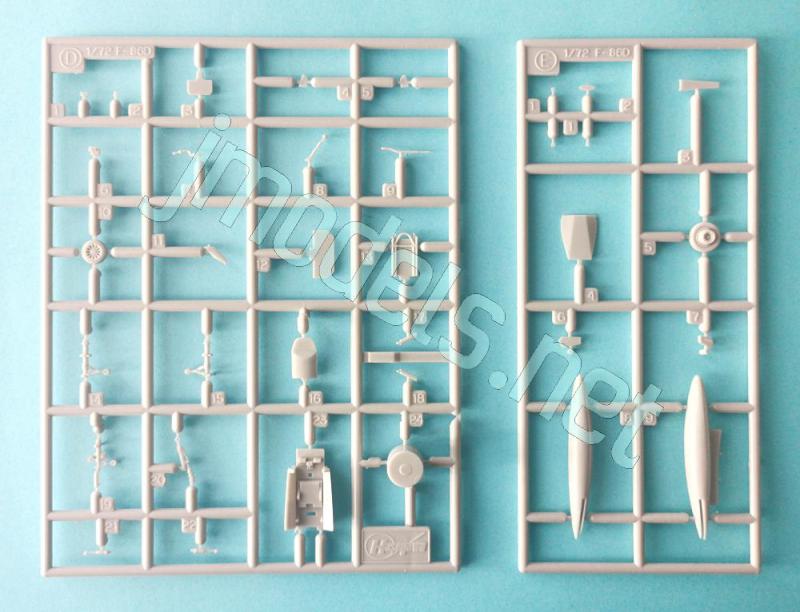
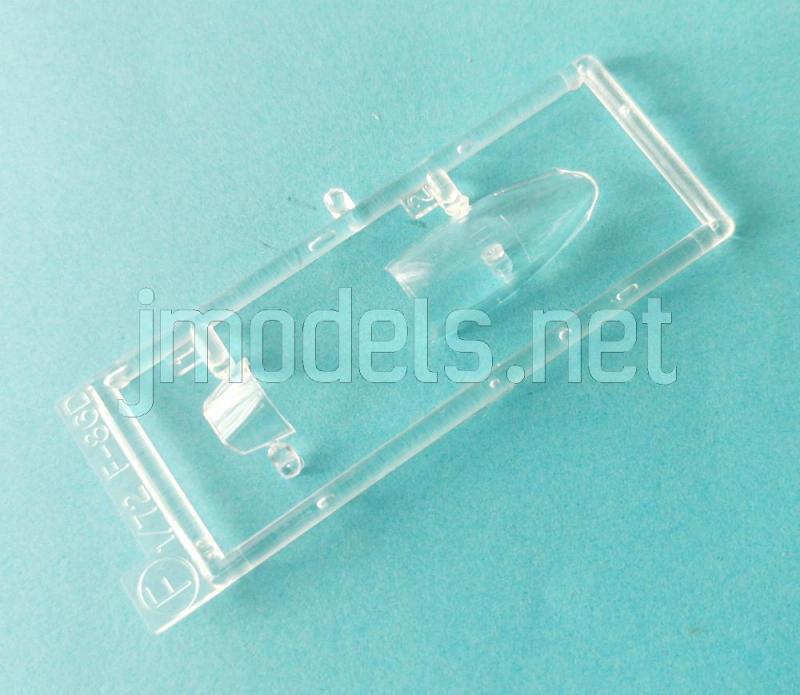
- lástico inyectado (67 piezas), plástico transparente (2 piezas).
- Injected plastic (67 parts), clear plastic (2 parts).
CALCAS – DECALS:
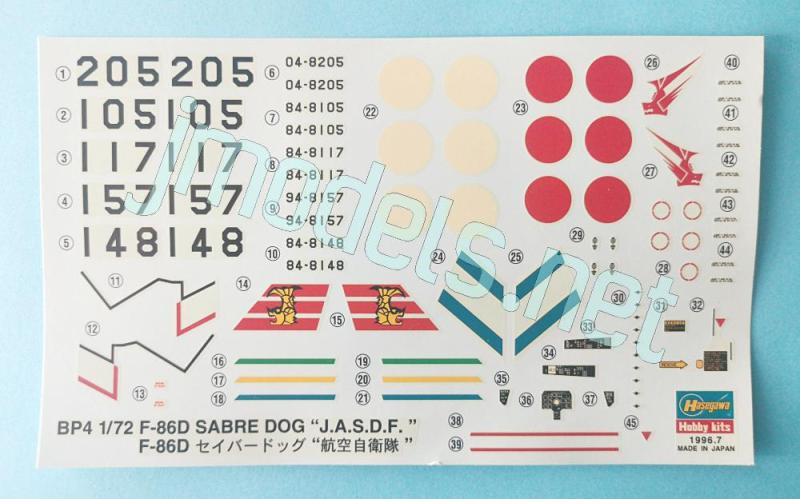
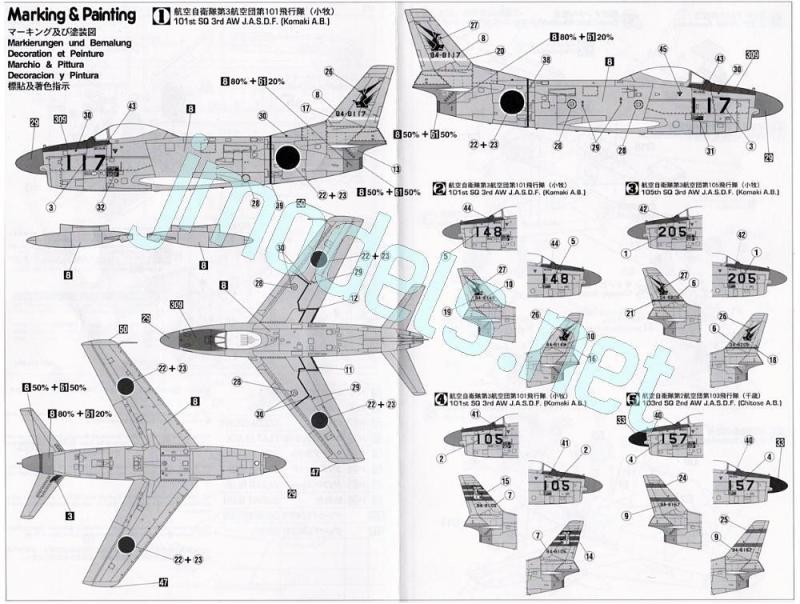
- Insignias nacionales, panel de instrumentos y consolas, numerales, matrículas, marcas de unidad y algunos estarcidos. Aspecto fino y brillante. Buena saturación de color y registro. Muy poco exceso de soporte.
- National markings, instrument panel and consoles, aircraft numbers, registrations, unit markings and some stencils. Thin and glossy finish. Godd color saturation and register. Not too much surplus carrier film.
OPCIONES – OPTIONS:
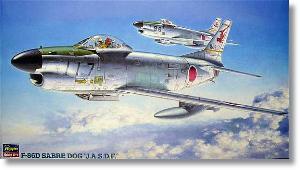
- F-86D Sabre Dog. Black 117. J.A.S.D.F. 3rd Air Wing. 101st Squadron. Komaki Air Base.
- F-86D Sabre Dog. Black 148. J.A.S.D.F. 3rd Air Wing. 101st Squadron. Komaki Air Base.
- F-86D Sabre Dog. Black 205. J.A.S.D.F. 3rd Air Wing. 101st Squadron. Komaki Air Base.
- F-86D Sabre Dog. Black 105. J.A.S.D.F. 3rd Air Wing. 101st Squadron. Komaki Air Base.
- F-86D Sabre Dog. Black 157. J.A.S.D.F. 3rd Air Wing. 101st Squadron. Komaki Air Base.
INSTRUCCIONES – INSTRUCTIONS:
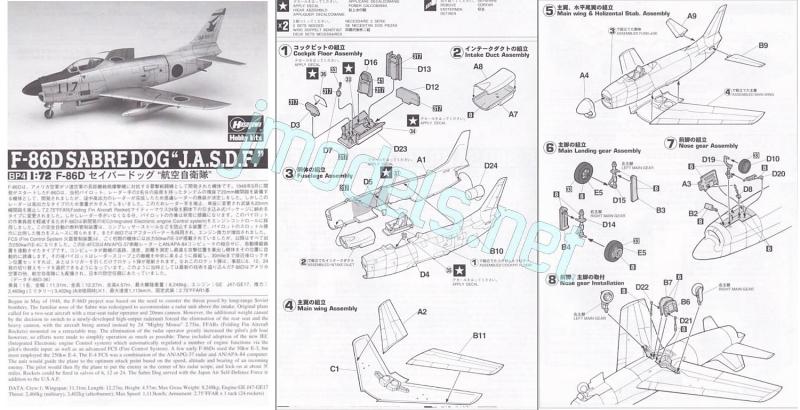
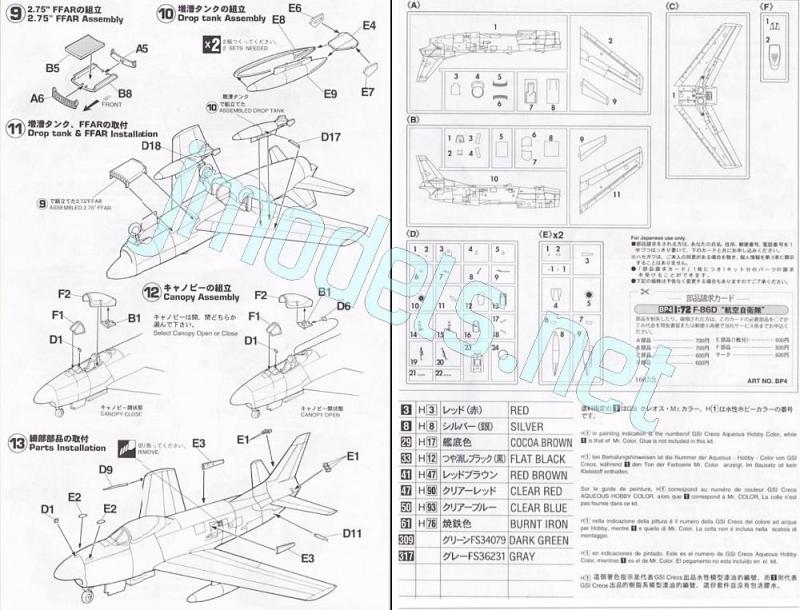
- Folleto A5 doblado de 8 páginas impreso en blanco y negro. Contiene una breve historia del avión, 13 secuencias de montaje, un plano numerado de piezas, una tabla de colores con equivalencias de Gunze Sangyo y 2 páginas de perfiles.
- 8-page A5 folded leaflet printed in black and white. It shows a short history of the aircraft, 13 assembly steps, a numbered parts plan, a color chart with Gunze Sangyo paint matches and 2 pages of profiles.
LO MEJOR – THE BEST:
- Buen molde. Sencilla de montar.
- Nice mold. Easy to build.
LO PEOR – THE WORST:
- Algunas marcas de eyector. Nula variedad en los acabados de pintura.
- Some ejector marks. Lack of variety in paint finishes.
VALORACIÓN – CONCLUSION:
- Apta para modelistas de menos nivel por su sencillez de montaje. Tiene posibilidades de mejora sin mucho esfuerzo que la pueden hacer aún mejor.
- Suitable for less experienced modelers due to its simple assembly. It offers opportunities for easy upgrades that can make it even better.

La maqueta
Esta caja de 1996 es la primera edición del Sabre Dog de Hasegawa. Después ha tenido hasta ocho reediciones hasta 2023, unas veces con los mismos aviones japoneses y en otras con aparatos norteamericanas.
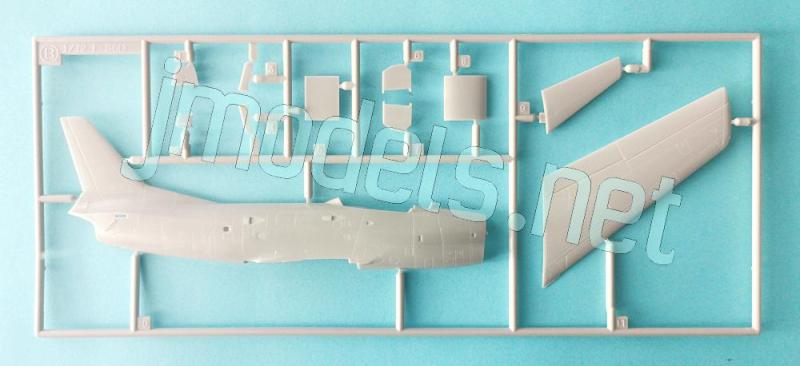
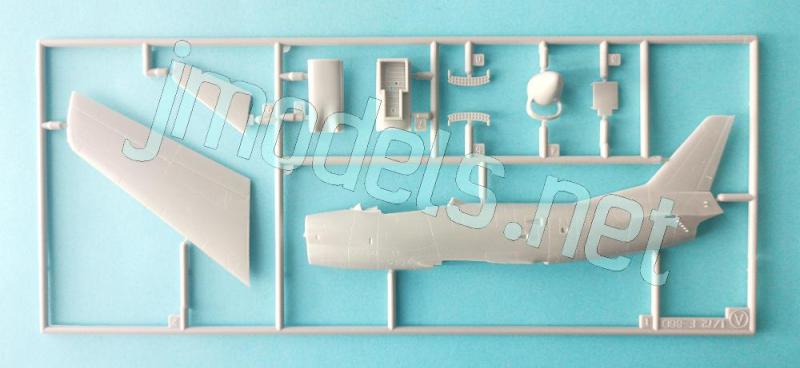
La caja contiene seis bastidores, dos de ellos repetidos, un bastidor transparente, las calcas y las instrucciones. El molde muestra la finura habitual de Hasegawa con piezas bien moldeadas y paneles grabados con acierto. Hay marcas de eyector sueltas en algunas lugares visibles, como el pozo delantero, las tapas de los pozos traseros, el respaldo del asiento e incluso una mínima sobre un estabilizador. Todas ellas son leves y no deben dar lata para quitarlas salvo en el pozo.
La construcción del modelo es bastante sencilla, apta incluso para modelistas con habilidadades básicas, sin embargo los acabados de pintura solamente llevan color metálico con diferentes numerales e insignias en la cola.
Reseña
La carlinga es básica. Consta de un suelo moldeado con las consolas y pedales, el panel de instrumentos, el mamparo trasero, un segundo mamparo blindado tras el asiento, que trae el respaldo aparte, y la palanca de control. Los instrumentos del panel y las consolas son de calca. Hay dos pequeños paneles con instrumentos de calca situados a las bandas del panel principal, pero pegados a los lados del fuselaje y también la mira sobre el panel de instrumentos.
La cubierta de la carlinga tiene el parabrisas separado y podemos colocarla abierta. La pieza posterior posee una pieza adicional pegada en su interior con la pequeña vávula de presión de la carlinga separada si se coloca abierta. Las piezas transparentes no son excesivamente finas, aunque están bien grabadas.
Antes de cerrar el fuselaje hay que colocar la toma inferior, dispuesta en dos mitades con el pozo delantero reproducido en la parte inferior. El interior del pozo muestra un detalle fino aunque básico estropeado por una leve marca de eyector. También hay que pegar la tobera de una pieza, que resulta bastante simple y muestra un detalle poco nítido en su fondo.
Las mitades del fuselaje incluyen las superficies verticales de cola pero no el radomo y la toma frontal, unidos en una pieza aparte. Los paneles están muy bien grabados. Se observan algunos de ellos remachados en un tamaño diminuto así como pequeñas salidas de aire y las tomas de corriente para el mantenimiento en tierra. El filete de la cola está bien reproducido y el timón y la aleta correctamente grabados. Los aerofrenos aparecen en posición cerrada, lo que resta posibilidades a la maqueta.
Sobre el morro hay dos pequeños carenados y una pequeña aleta entre ellos presente en los F-86D japoneses, coreanos y taiwaneses, pero no en el modelo norteamericano. También tenemos dos pequeñas tomas situadas a los lados del fuselaje tras las alas, el tubo de evacuación de combustible y las pequelas aletas de flujo emplazadas por detrás de los estabilizadores. En la zona ventral se coloca el lanzador de cohetes FFAR que aparece en posición bajada. Los lados frontal y trasero llevan los tubos marcados pero no huecos.
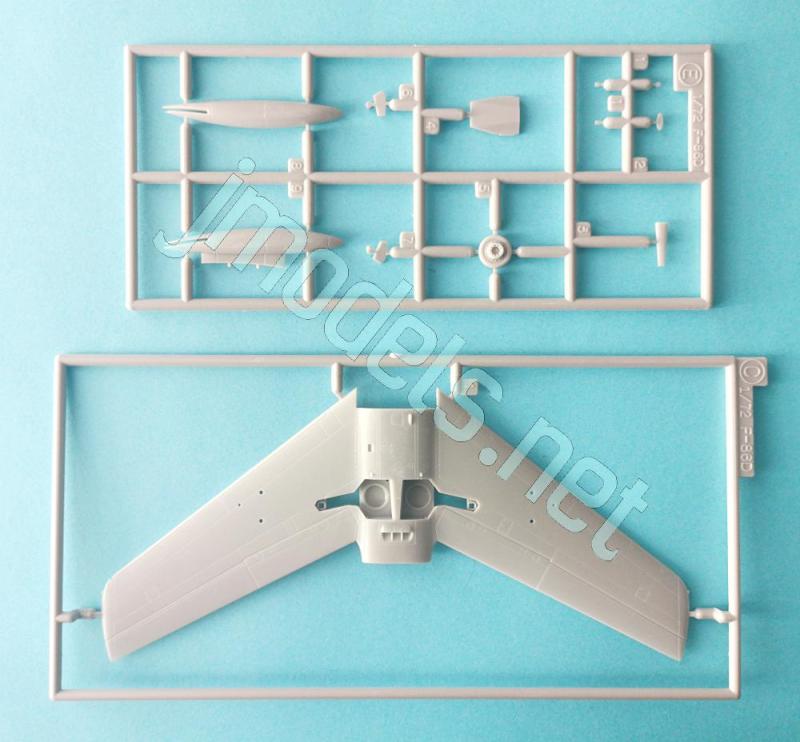
Las alas están separadas en tres piezas. La inferior incluye los pozos parcialmente cubiertos con el hueco de las ruedas bien moldeado, aunque en general son pobres en detalle. El grabado de las alas es muy bueno, y las superficies de control merecen una mención especial. Las luces de navegación son diminutas, pero están bien definidas, mientras que el tubo Pitot viene aparte y posee la forma correcta. La carga subalar consiste en dos depósitos auxiliares con su soporte lateral y las aletas posteriores separados.
El tren de aterrizaje está bastante bien detallado, especialmente el delantero. Las patas y ruedas tienen muy buena definición, aunque hay leves marcas en algunas tapas.
Las calcas muestran un aspecto fino y brillante, buena saturación y registro. No poseen demasiado soporte excedente. La hoja incluye insignias nacionales (hinomarus), el panel de instrumentos y las consolas, numerales, matrículas, marcas de unidad y algunos estarcidos.
El manual de instrucciones está impreso en blanco y negro en un folleto de formato A5 doblado que consta de ocho páginas. Contiene una breve historia del avión, trece secuencias de montaje, un plano numerado de piezas, una tabla de colores con equivalencias de Gunze Sangyo y dos páginas de perfiles.
Como he mencionado, todos los acabados de pintura son idénticos, salvo por el color del radomo frontal, las diferencias en las insignias de cola y los numerales del morro.
Valoración
Como pasa en otras maquetas que Hasegawa lanzó a lo largo de los años 90, este Sabre Dog es en apariencia sencillo de montar y tiene lo esencial para hacer una maqueta decente del avión. Sin embargo, lo mejor es que con mejoras en la carlinga y la tobera, por ejemplo, se puede lograr un modelo superior sin demasiado esfuerzo.◊

The kit
This 1996 kit represents the first release of Hasegawa’s Sabre Dog. It has since seen up to eight re-issues through 2023, featuring either Japanese or U.S. aircraft.
The box contains six sprues (one of which is oubled), a clear sprue, the decals, and the instructions. The standard of molding shows Hasegawa’s characteristic finesse, featuring well-molded parts and accurately engraved panel lines. There are some ejector marks in visible areas, such as the nose gear well, main gear well doors, the seat back, and even a tiny one on a stabilizer, but they are all shallow and should be easy to remove, with the possible exception of that in the gear well.
Assembly is quite straightforward, making the kit suitable even for modelers with basic skills; however, the paint schemes only show the same metallic finish, with differences in the aircraft numbers and tail markings.
Review
The cockpit is basic. It consists of a tub piece molded with the consoles and pedals, the instrument panel, the rear bulkhead, a second armored bulkhead behind the seat (which has a separate backrest), and the control stick. The instruments on the panel and consoles are represented by decals. There are two small panels with decal instruments located to the sides of the main panel and attached to the fuselage walls as well as a separate gunsight above the instrument panel.
The cockpit canopy has a separate windscreen and can be posed open. The rear canopy section has an additional piece attached to the interior, with the small cockpit pressure valve provided as a separate part if the canopy is displayed open. The clear parts are not particularly thin, though surface detail is well-engraved.
Before closing the fuselage, you need to install the lower intake assembly. This comes in two halves with the nose gear well molded below. The interior of the well shows fine yet basic detail, slightly marred by a small ejector mark. The one-piece exhaust nozzle is also attached in this assembly stage. It is quite simple, with somewhat soft detail inside.
The fuselage halves include the vertical tail surfaces but not the radome and nose intake outer ring, which are molded as a separate piece. Panel lines are very nice. Some feature tiny rivets, alongside small air vents and ground maintenance power connections. The tail fillet is well-reproduced, and the rudder and fin are correctly engraved. The airbrakes are molded in the closed position, which limits the model’s display options.
On the nose, there are two small fairings and what seems a small fin positioned between them. This fin can be seen on Japanese, South Korean and Taiwanese F-86Ds, but not in the US Sabre Dogs. Also included are two small intakes on the fuselage sides aft of the wings, the fuel jettison pipe, and small strakes located behind the stabilizers. The FFAR rocket launcher is attached in the lowered position. The front and rear faces feature marked tube outlines, but the tubes themselves are not hollow.
The wings are molded in three pieces. The lower piece includes the wells, which feature sharp recesses, though overall detail is quite basic. The engraved detail on the wings is excellent, particularly on the control surfaces. The navigation lights are tiny but well-defined, while the Pitot tube is a separate part with the correct shape. The underwing stores consist of two drop tanks, with their side struts and rear fins provided as separate parts.
The landing gear is quite well-detailed, especially the nose gear. The struts and wheels are sharply defined, although there are slight marks on some of the main gear doors.
The decals look thin and glossy, with good color saturation and register; there is minimal excess carrier film. The sheet includes national insignia (hinomarus), the instrument panel and consoles, aircraft numbers, serial numbers, unit markings, and some stencils.
The 8-page A5 folded instruction manual is printed in black and white. It contains a brief history of the aircraft, thirteen assembly steps, a numbered parts diagram, a color chart with Gunze Sangyo equivalent paints, and two pages of profiles.
As mentioned, paint schemes are identical, save for the color of the nose radome, variations in tail markings, and the specific nose numbers.
Conclusion
As is the case with other kits Hasegawa released throughout the 1990s, this Sabre Dog is seemingly simple to assemble and includes the essentials for building a decent model of the aircraft. However, the best part is that, with upgrades to the cockpit and exhaust nozzle, for instance, one can achieve a much better result without too much effort.◊
Publicado – Published: 10 / 2026
©www.jmodels.net


Debe estar conectado para enviar un comentario.