
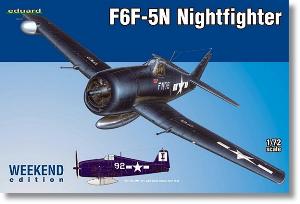
De un vistazo – Quick look
MATERIAL Y PIEZAS
MEDIA & PARTS:
- Plástico inyectado (71 piezas), plástico transparente (8 piezas).
- Injected plastic (71 parts), clear plastic (8 parts).
CALCAS – DECALS:
- Insignias de la US Navy, panel de instrumentos, arneses, matrículas, insignias de unidad y estarcidos. Aspecto brillante y fino. Sin exceso de soporte. Bien impresas.
- US Navy markings, instrument panel, belts, registers, unit markings and some stencils. Thin and glossy appearance. No excess of carrier film. Nicely printed.
OPCIONES – OPTIONS:
- Grumman F6F-5N. N.º Serie 78669. Black Death. Escuadrilla VMF(N)-542 de la US Navy. Avión del comandante de la unidad Mayor Bruce Porter. Aeródromo Yontan (Okinawa (Japón). Mayo de 1945.
- Grumman F6F-5N. Butch. Escuadrilla VMF-511. USS Block Island. Abril de 1945.
- Grumman F6F-5N. BuNo. 78669. Black Death. US Navy VMF(N)-542. Aircraft of Commander Maj. Bruce Porter. Yontan airfield. (Okinawa (Japan). May 1945.
- Grumman F6F-5N. Butch. US Navy VMF-511. USS Block Island. April 1945.
INSTRUCCIONES – INSTRUCTIONS:
- Folleto A5 de 8 páginas impreso en color en papel satinado. Contiene un plano numerado de piezas, una tabla de pinturas de Gunze Sangyo, 14 secuencias de montaje y 3 páginas de perfiles. Claras y bien impresas.
- A5 16-page booklet printed in colour on satin paper. It shows a numbered parts plan, a chart of Gunze Sangyo paints, 14 assembly steps and 3 pages of profiles. Clear and well printed.
LO MEJOR – THE BEST:
- Excelente detalle interno y externo. Panelado. Relativa facilidad de montaje. Variedad de armamento.
- Excellent internal and external detail. Nicely engraved panel lines. Relative ease of assembly. Varied wing armament.
LO PEOR – THE WORST:
- Lados de la carlinga lisos.
- Flat cockpit sides.
VALORACIÓN – CONCLUSION:
- Sobresaliente maqueta que esta vez incluye los detalles necesarios para hacer la versión nocturna sin perder demasiado respecto a la edición Profipack, lo que beneficia a modelistas menos expertos o experimentados con piezas de fotograbado.
- Outstanding kit this time containing the necessary detail to build the night fighter version without losing too much compared to a Profipack edition. This will benefit less experienced modellers and those with no taste for PE pieces.

La maqueta
Esta es la única edición Weekend que Eduard ha sacado hasta el momento de la maqueta del F6F-5N. En cambio, vamos ya por la segunda caja en la edición Profipack. Supongo que a no tardar veremos otra nueva de esta serie menor. La maqueta es una reedición con pocos cambios del F6F-3 (Eduard 7074) sobre el que ya he publicado otro artículo en estas páginas, por ello en esta secuela me enfocaré en describir únicamente las diferencias con esa maqueta. Las omisiones que el lector encontrará aquí están descritas por extenso en la revisión anterior.
La caja contiene tres bastidores de piezas, un bastidor transparente, una hoja de calcas sin estarcidos impresos aparte y las instrucciones. Obviamente, al tratarse de una edición más liviana, no trae los habituales atavíos de una caja Profipack en forma de máscaras y fotograbados, pero en general la edición no pierde mucho, ya que se trata de un molde bastante bueno. No sé si lo será tanto como para que Eduard haya hecho imprimir en la caja nada menos que un “72nd Scale Revolution” acompañado del perfil de una beldad en vestimenta talar y portando un ajado estandarte con el número de la escala. Entiendo que las marcas tienen que vender, pero otra cosa es perder el oremus.
Las piezas están limpias de rebabas y malformaciones, aunque algunas poseen nódulos de plástico. Las alternativas de montaje se centran en el panel de instrumentos, las consolas laterales y la apertura de la cubierta en la carlinga, además del armamento alar alternativo para uno de las opciones de acabado. El depósito ventral no es opcional en este caso.
La maqueta reproduce la versión de caza nocturna del F6F-5, que llevaba un motor más potente que los modelos anteriores con otros cambios menores. Junto con el radar AN/APS-6 montado en el extremo del ala de estribor, la versión nocturna llevaba en ocasiones dos cañones AN/M2 de 20 mm en la parte interna del ala más las otras cuatro ametralladoras de calibre 50 de serie, circunstancia que plasma bien Eduard en la elección de acabados.
Carlinga
El panel de instrumentos y las consolas laterales están muy bien reproducidas con los instrumentos en relieve. Todos ellos poseen alternativas en calcas para realzar los instrumentos, pero no parecen necesarias a menos que se tenga poca experiencia en pintarlos. Como es de esperar en esta edición, los cinturones también son de calca. Los lados de la carlinga están representados sin mucho detalle ni el relieve de la estructura. Este detalle me sigue pareciendo lo más mejorable en esta maqueta tan destacada en otros aspectos.
La cubierta de la carlinga es igual que en otras ediciones y está compuesta de dos secciones con alternativas en el tramo deslizante para mostrarla abierta o cerrada. El parabrisas es en este caso diferente y muestra el panel blindado del F-5 con nitidez.
Fuselaje
Las únicas variaciones en el fuselaje se encuentran en el capó, formado por dos piezas ya incluidas en las maquetas anteriores que aparecen correctamente reproducidas sin los carenados laterales de los escapes. Las aletas de ventilación están bien grabadas, aunque no son destacables. Las tomas de aire de la parte inferior del capó carecen de las rejillas de fotograbado de la edición Profipack.
Alas
En este caso las diferencias se centran en el armamento y en la presencia del radar en el ala derecha. La pieza está dividida por la mitad con un rebaje en la parte superior para adaptarla a la superficie del ala. Las instrucciones marcan con precisión el lugar conveniente para pegar la pieza.
Para dar algo de variedad a las opciones de acabado, el aparato del Mayor Bruce Porter está armado con un par de cañones de 20 mm. unidos a sus carenados que van colocados sobre la tronera interna tras suprimir el tubo de la ametralladora. Las piezas muestran un aspecto fino y limpio.
Calcas
La hoja contiene insignias de la US Navy, el panel de instrumentos y las consolas, los arneses, matrículas, insignias de unidad y motes de los aviones, marcas de derribos y estarcidos, aunque algo menos numerosos que en la edición Profipack. Los motivos están bien impresos con aspecto brillante y carecen de exceso de soporte.
Instrucciones
Vienen en un folleto de tamaño A5 de ocho páginas impreso en color en papel satinado. Contiene un plano numerado de piezas, una tabla de pinturas de Gunze Sangyo, 14 secuencias de montaje y tres páginas de perfiles, la última de ellas para colocar los estarcidos. Las secuencias de construcción son muy claras.
Las referencias de pintura aparecen listadas sólo en colores de la gama Mr Color de Gunze Sangyo, sin embargo los perfiles de las últimas páginas muestran sus correspondencias en la gama acrílica de Aqueous Hobby Color.
Uno de los aviones representados en los perfiles, el del portaaviones USS Block Island, ya apareció en la primera maqueta Profipack de esta versión nocturna, mientras que el avión del Mayor Porter está bien reproducido con las cinco marcas de derribos que obtuvo, aunque los dos últimos, que lo convirtieron en as de la Marina, ocurrieron en junio de 1945 y no en mayo, como señalan las instrucciones. El avión contiene también la botella de whisky Schenley que Porter hizo pintar en todos los aparatos de su unidad.
Valoración
Ciertamente Eduard ha incluido los detalles necesarios para reproducir el modelo F-5N en esta edición, una versión acaso algo menos popular que otras. También me parece un acierto el haber incluido armamento diferenciado para los dos acabados.
La edición Weekend no le resta demasiado detalle a un molde ya notable y supone hasta una cierta ventaja en la relación calidad / precio para el modelista de menos experiencia o destreza con las piezas de fotograbado.◊







The kit
This is the only Weekend edition that Eduard have released so far of the F6F-5N kit. Instead, it has been kitted twice in Profipack boxes. I suppose that we will soon see another new box of the lesser series. The kit is a reissue with few changes of the F6F-3 (Eduard 7074) about which I published another article on these pages, so in this second instalment I will focus on describing only the differences with that kit. The omissions that the reader finds here are described in detail in the previous review.
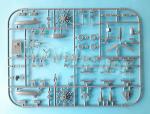
The box contains four sprues, one of them containing the clear parts, a decal sheet without stencils printed separately and the instructions. Obviously, being a Weekend offer, it does not come with the usual goodies found in a Profipack box in the form of masks and photo-etched parts, but in general the edition does not lose much, since the tool is quite good. Eduard must think the release is major league as they had a «72nd Scale Revolution» slogan printed on the box side, which is coupled by the profile of a beauty wearing a long dress and carrying a worn flag with the scale number. I understand that brands need to sell, but losing the plot is quite a different thing, as this is not a revolutionary kit, but a very good one indeed.
The pieces are clean from blemishes or flash though some have plastic nodules. Assembly alternatives focus on the instrument panel, the side consoles and the canopy opening, as well as on the different wing armament for one of the finishing options. The ventral fuel tank is not optional in this case.
The kit reproduces the night fighter version of the Grumman F6F-5, which had a more powerful engine than previous variants along with other minor changes. Aside from the AN/APS-6 radar mounted on the starboard wing, the night version occasionally carried two 20mm AN/M2 cannon plus the other four 50-calibre machine guns fitted as standard. This is a feature that Eduard wisely included in the choice of finishes.
Cockpit
The panel and side consoles show nice raised instruments. All of them have decal alternatives to enhance the pieces, but they do not seem necessary unless you have little experience in painting them. As expected in this edition, the seat belts are also decals. The cockpit sides are quite flat, without the structural raised detail and I think this is the only relevant drawback one can find in this kit, so outstanding in other aspects.
The canopy is mostly the same as in the other kits and also has two parts with alternatives in the sliding section to show it open or closed. However, the windshield piece is different and correctly shows the armored windshield of the F-5.
Fuselage
The only differences in the fuselage are in the cowling, comprising two halves already included in previous kits that are correctly reproduced without the side exhaust fairings of the F-5. The cooling gills are well engraved, but do not look remarkable either. The cowling lower air intakes lack the photo-etched mesh of the Profipack edition.
Wings
In this case the variations are in the armament and the radar on the starboard wing. The piece is divided in half with a recess at the top to attach the pod below the wing. The instructions clearly show the correct position to cement the piece.
To give some variety to the finishing options, Major Bruce Porter’s aircraft is armed with a pair of 20 mm cannon moulded with the fairings and attached onto the inboard gun port after removing the machine gun barrel. The cannon pieces look thin and clean.
Decals
The sheet contains US Navy markings, the instrument panel and consoles, harnesses, registrations, unit badges, aircraft nicknames, kill markings and stencils, although less numerous than in the Profipack kits. Decals are well printed with a glossy appearance and do not show excess carrier.
Instructions
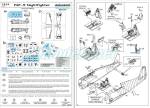
These come in an 8-page A5 booklet printed in colour on glossy paper. It contains a numbered parts plan, a chart with Gunze Sangyo paints, 14 assembly sequences and three pages of profiles, with the last one being used for setting the stencils. Construction chapters are very clear.
Paint references are listed only in colours from Gunze Sangyo Mr Color range, however the profiles on the last pages show their matches in the Aqueous Hobby Color acrylic range.
One of the aircraft depicted in the profiles, belonging to the aircraft carrier USS Block Island, is the same included in the first Profipack kit of this night version, while Major Porter’s aircraft is well reproduced with the five kill markings for the victories he finally achieved, although the last two, which turned him into a Navy ace, happened in June 1945 and not in May, as indicated in the instructions. The aircraft also shows the bottle of Schenley whisky that Porter painted on all the aircraft in his unit. Truly accurate.
Conclusion
This is again a nice Hellcat kit and Eduard have certainly included the necessary details for a correct F-5N variant, which may be a bit less popular than other Hellcats. I also think it was a success to have included a choice of different armament for the two finishes.
The Weekend edition does not deprive too much detail from an already remarkable kit and can even be a certain advantage in the quality/price balance for the modeller with less experience or skill with photo-etched parts.◊
Publicado – Published: 9 / 2024
©www.jmodels.net
 jmodels.net
Debe estar conectado para enviar un comentario.