

De un vistazo – Quick look
MATERIAL Y PIEZAS
MEDIA & PARTS:
- Plástico inyectado (88 piezas), plástico transparente (10 piezas), resina (23 piezas).
- Injected plastic (88 parts), clear plastic (10 parts), resin (23 parts).
CALCAS – DECALS:
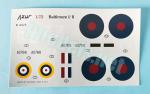
- Impresas por Cartograf. Escarapelas británicas, insignias de cola y matrículas. Acabado fino y brillante con buen registro y saturación de color. Sin demasiado soporte.
- Printed by Cartograf. British roundels, tail markings, registers and codes. Thin and glossy finish with good register and color saturation. Not too much carrier film.
OPCIONES – OPTIONS:
- Martin Baltimore II. Escuadrilla de Entrenamiento de Oriente Medio N.º 1. El Ballah (Egipto), 1942.
- Martin Baltimore II. Desierto Occidental. Mediados de 1942.
- Martin Baltimore I. Malta, 1942.
- Martin Baltimore II. RAF No.1 Middle East Training Squadron. El Ballah (Egypt), 1942.
- Martin Baltimore II. Western Desert. Mid-1942.
- Martin Baltimore I. Malta, 1942.
INSTRUCCIONES – INSTRUCTIONS:
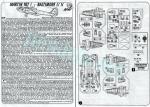
- Folleto en formato A5 de 8 páginas impreso en blanco y negro. Contiene un breve sumario histórico sobre el avión con especificaciones técnicas, un plano numerado de piezas, 20 secuencias de construcción del modelo y dos páginas de perfiles con referencias de color genéricas.
- 8-page A5 brochure printed in black and white. It shows a short historical summary about the aircraft with technical specifications, a numbered parts plan, 20 construction views and 2 pages of profiles with generic color references.
LO MEJOR – THE BEST:
- Detalle interno, aunque no sobresaliente. Paneles, sobre todo en las alas. Buena factura en las piezas transparentes y de resina.
- Cockpit detail, though not outstanding. Engraved panel lines, especially on the wings. Nice clear parts and resins.
LO PEOR – THE WORST:
- Montaje no apto para noveles. Armamento alar. Faros de aterrizaje no transparentes.
- Hard assembly for the novice. Missing wing armament. Landing lights not provided as clear parts.
VALORACIÓN – CONCLUSION:
- Rara de encontrar al llevar décadas sin producirse en cualquier versión. Interior algo más que decente y exterior en general notable aún con ausencias. Indicada para modelistas expertos.
- Rare to find as it has not been reissued for decades. More than decent cockpit and very nice exterior detail, though with some missing bits. Suitable for expert modellers.

La maqueta
El Baltimore de Azur lleva alrededor de veinte años sin aparecer en la escala 1/72 y lo cierto es que la marca no le ha sacado el jugo que podría ofrecer en todo este tiempo. Sólo hay una reedición de un Baltimore Mk. V en 2007 y la copia de Special Hobby posterior que incluía los modelos Mk. III, IV y V. Aparte de otras menos conocidas, las ediciones de serie amplia en esta escala se ciñen al viejo molde de Frog copiado también por Novo, ambos llevan décadas en el mercado de segunda mano.
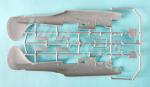
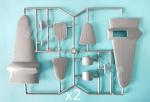
La maqueta tiene sus piezas repartidas en cinco bastidores, uno de ellos transparente, y, además de las calcas y las instrucciones, incluye también ocho bebederos de piezas de resina. Por lo tanto, esta es una edición de serie limitada, más apta para el modelista con experiencia.
El aspecto del molde, no podía ser de otra forma tratándose de Azur, semeja las ediciones de marcas filiales como MPM y Special Hobby de hace bastantes años y esto significa que el plástico es rígido y el detalle, sin ser malo, no presenta toda la definición que ofrecen estos fabricantes actualmente. Los paneles están bien grabados con las líneas algo escasas de profundidad en ocasiones. El detalle en relieve de las estructuras internas tanto en la carlinga como en los pozos es escaso y tiene poca nitidez. Las alas y el fuselaje contienen ciertos detalles, como los accesos, las luces de navegación, actuadores y bisagras decentemente representados.
Las piezas no tienen rebabas, pero hay un par de marcas de eyector positivas a cada lado de la carlinga que necesariamente hay que eliminar. Las marcas en relieve en el interior de las alas no impiden pegar las mitades y los estabilizadores no tienen ninguna, afortunadamente.
Las alternativas de montaje incluyen una antena de varilla de resina sobre los lados del fuselaje, dos tomas diferentes sobre los capós de los motores, una de ellas indicada para un avión de producción inicial, y el armamento defensivo dorsal, que en realidad es la diferencia visualmente más notable entre el modelo Mk. I y el II. En los bastidores encontramos piezas para poder montar otros modelos posteriores y más populares de este avión, incluidas dos tipos de torretas dorsales, la Boulton Paul del Mk. III y la torreta Martin empleada a partir del Mk. IIIa y modelos sucesivos.
Carlinga
De los cuatro espacios interiores del Baltimore, Azur se ha comido el del operador de radio. El detalle de los lados del fuselaje es muy parco y representa el relieve estructural de la carlinga del bombardero y del piloto. Afortunadamente, hay también lengüetas moldeadas a cada banda para poder alinear los suelos de las carlingas, excepto el del bombardero que se puede alinear justo por debajo de la estructura simulada.
El puesto del bombardero incluye un suelo, un asiento de buena factura y sus soportes más la mira. El de pilotaje comprende un suelo con un panel delantero que limita parcialmente el puesto del bombardero y dos pedales toscos en la pieza, el asiento, los controles con los mandos de resina, el mamparo trasero y dos consolas laterales con escasa definición en los instrumentos. Una de las consolas va pegada al suelo, mientras que la otra se añade en el lado derecho del fuselaje. El panel de instrumentos es bastante más destacable, ya que tiene los instrumentos grabados con finura.
En el hueco del puesto del operador de radio sólo hay que incluir las dos ventanillas laterales. El puesto del artillero trasero consta de un mamparo por delante, el suelo con una base para instalar el asiento, El panel superior con la abertura del armamento viene separado ya que es la principal diferencia entre las dos maquetas de Azur para añadir, o no, la torreta. En este caso la pieza incluye parte del relieve estructural interno a los lados, aunque tiene poca nitidez. El armamento dorsal del Baltimore sólo tenía inicialmente una ametralladora Vickers K, que en la maqueta muestra un afuste en tres piezas pegadas al borde de la parte trasera interna del hueco dorsal. El arma no es del todo mala y lleva el tambor de munición separado. Para el Mk. II el armamento es algo más complejo de montar porque comprende la misma base interna con un soporte semicircular y dos ametralladoras Browning con los cargadores y las empuñaduras separadas. El armamento defensivo ventral trasero no está incluido en la maqueta.
Hay cuatro piezas transparentes para cubrir los puestos del bombardero, el piloto y el artillero. Las piezas son finas y están bien detalladas en el exterior con el marco estructural del acristalamiento. La cubierta del compartimento del bombardero y el morro se proporcionan por separado. Otra pieza aparte es el capotaje del puesto del artillero.
Fuselaje
Como es de rigor en una maqueta de serie limitada, las mitades del fuselaje carecen de guías para alinearlas. Las piezas incluyen las superficies verticales de cola y los contornos de las raíces de las alas para pegarlas sobre ellos. Las líneas de paneles son consistentes en todas las superficies y muy finas, tanto que, dependiendo cómo se aplique la pintura, podrían quedar tapadas.
El detalle exterior comprende dos antenas de varilla a los lados del compartimento de radio que son opcionales y están fabricadas de resina, el mástil de la antena, una antena circular con su base y el acristalamiento del hueco defensivo ventral, provisto de una pieza transparente.
Alas, motores y cola
Las alas constan de dos mitades con las góndolas moldeadas en ellas, así como los carenados de las tomas de los motores sin los extremos delanteros. Los paneles y tapas de los accesos me parecen mejor grabados que los del fuselaje. Los timones están bien representados mostrando la estructura interna y las carenas de las bisagras. Las luces de navegación poseen definición, pero las de aterrizaje, aunque bien marcadas, carecen de piezas transparentes. También faltan las troneras del armamento en los bordes de ataque, que sí tienen el tubo Pitot de resina. Antes de pegar las mitades de las alas hay que añadir el fondo de los pozos de las ruedas. Estas piezas tienen líneas en relieve que sugieren la estructura interna. Las alas van unidas a tope al fuselaje, aunque afortunadamente podemos insertar pasadores como refuerzo gracias a que la unión coincide con el compartimento de radio vacío e invisible desde afuera.
Los cubremotores están moldeados en mitades grabadas con los paneles pertinentes y las aletas de refrigeración cerradas. Los motores son de resina y tienen un detalle excelente. Los huecos internos de los capós llevan pestañas en relieve para situarlos. Las tomas inferiores son idénticas, pero las superiores tienen dos opciones, como he descrito arriba, ambas con pequeñas piezas internas sin detalle que simular los filtros internos.
Las hélices se componen de un buje de resina y las palas de plástico por separado. Estas son finas y están bien perfiladas, aunque hay que darles la torsión necesaria al pegarlas.
Las superficies verticales de cola tienen el timón y la aleta bien marcados. El actuador de la aleta y la luz de navegación trasera tienen cierta nitidez, aunque la segunda está dividida con las mitades del timón. Los estabilizadores están separados en mitades. Tanto los paneles como la marca de los timones tienen un grabado convincente y estos últimos muestran un fino relieve estructural. La unión con el fuselaje es idéntica a la de las alas y también hay suficiente espacio interno si se desea reforzar la unión con pasadores.
Tren de aterrizaje
El tren principal consta de una pata robusta sin demasiado detalle y dos finas varillas simulando los brazos de plegado. Afortunadamente, el fondo de los pozos tiene marcadas las posiciones de cada una de ellas. Las ruedas son de resina con un detalle notable en las llantas, aunque los neumáticos son lisos.
La rueda de cola está integrada con la pata, que muestra los brazos de torsión cerrados en lugar de huecos. Esta pieza hay que pegarla dentro del fuselaje antes de unir las mitades.
Calcas
La hoja está impresa por Cartograf, por ello las calcas no deberían dar problemas. Se incluyen escarapelas británicas, insignias de cola y matrículas. Los motivos muestran acabado fino y brillante con buen registro y saturación de color. No contienen exceso de soporte.
Instrucciones
El folleto de instrucciones tiene un formato A5 y ocho páginas impresas en blanco y negro. Muestra un breve sumario histórico sobre el avión con especificaciones técnicas, un plano numerado de piezas, 20 secuencias de construcción del modelo y dos páginas de perfiles con referencias de color genéricas.
Las alternativas de pintura corresponden a un Baltimore Mk. I y dos Mk. II con idéntico camuflaje, que resulta ser el habitual de los bombarderos diurnos del teatro de operaciones del desierto compuesto de Dark Earth, Middle Stone sobre Azure Blue.
Valoración
No pierdo la esperanza de que algún día volvamos a ver esta maqueta de nuevo en cualquier versión, acaso más probablemente con el sello de Special Hobby que con el de Azur. Ya que se trata de una edición limitada indicada para expertos, a quienes no lo son tanto y tengan interés en este avión les queda esperar que un fabricante del común (¿Airfix?) les haga uno para no recurrir al viejuno molde de Frog.◊






The kit
The 1/72 Azur Baltimore has not been reissued for around twenty years and certainly the company has not taken full advantage of the tool in all this time. There is only one reissue of a Baltimore Mk. V in 2007 and a later copy by Special Hobby that included the Mk. III, IV and V variants. Apart from other lesser-known kits, the only mainstream Baltimore ever released was the Frog kit, also reissued by Novo, both of which can only be found on the second-hand market.
The kit has five sprues, one of them containing the clear pieces, the decals and instructions, plus eight resin gates. Therefore, this is a short-run edition, more suitable for the experienced modeller. The appearance of the sprues, and could not be otherwise with Azur, reminds of other kits from subsidiary brands, such as MPM or Special Hobby, produced many years ago and this means that plastic is a bit stiff and detail, though not bad, does not show all the definition these manufacturers offer today. The panels are well engraved with lines somewhat lacking in depth on the fuselage. The raised structural detail in both the interior and the wells is scarce and a bit soft. The wings and fuselage contain some items decently reproduced, such as accesses, navigation lights, actuators and aileron hinges.
There is no flash present on parts but there are a couple of positive marks on each cockpit side to clean up. The raised marks on the inside of the wings do not prevent attaching the halves and the stabilizers do not have any, fortunately.
Assembly choices include a resin towel rail antenna on the fuselage sides, two different intakes on the engine cowlings, one of which is for an early production aircraft, and the dorsal defensive armament, which is actually the most visually noticeable difference between the Baltimore Mk. I and II. The sprues contain parts for later, more popular variants of this aircraft, including two types of dorsal turret, the Boulton Paul installed in the Mk. III and the Martin turret used from the Mk. IIIa onwards.
Cockpit
Of the four interior spaces inside the Baltimore, Azur ignored the radio operator’s. Detail on the fuselage sides is very sparse and represents the structure around the bomber’s and pilot’s cockpits. Fortunately, there are also molded tabs on each side to align the cockpit floors, except for the bomber’s, which can be attached just below the simulated structure.
The bomber’s station includes a floor and a nice seat with bases. The pilot’s station has a floor with a front panel that partially limits the bomber’s station and two chunky pedals on the piece, the seat, the controls with a resin wheel, the rear bulkhead and two side consoles with little definition on the instruments. One of the consoles is glued to the floor, while the other is added on the right fuselage side. The instrument panel is much better, since it has the instruments engraved with fineness.
The radio operator’s void position is only provided with two side windows in clear pieces. The rear gunner’s station is detailed with a bulkhead in front and the floor with a base to install the seat. The upper panel with the armament opening is separate since it is the main difference between the two Azur kits. This way we can add, or not, the dorsal turret. In this case the piece includes a part of the raised structure on the sides, although it is not very sharply molded. The dorsal armament of the Baltimore initially consisted of a Vickers K machine gun, which in the kit is rendered with a three-piece mount glued to the edge of the internal rear side of the dorsal gap. The weapon is not all that bad and has a separate ammo drum. For the Mk. II the armament is somewhat more complex to build because it comprises the same internal base with a semicircular rail and two Browning machine guns with separate magazines and grips. The rear ventral defensive armament is not provided.
There are four clear pieces to cover the bombardier, pilot and gunner positions. Parts are fine and well detailed on the outside with the structural glazed frame. The bombardier compartment canopy and nose are separate. Another separate piece is the dorsal canopy.
Fuselage
As is common in a short-run kit, the fuselage halves lack alignment pins. Parts include the vertical tail surfaces and wing root contours to join the wings. Panel lines are consistent across all surfaces and very thin, so much so that, depending on how paint is applied, they may be lost.
Exterior detail includes two optional resin towel antennas on the radio compartment sides, the antenna mast, a loop antenna with base, and a clear piece for the glazing of the ventral rear station.
Wings, engines and tail
The wings consist of two halves with the nacelles molded on the pieces, as well as the engine intake fairings with separate front intakes. The access panels and covers look better engraved than those on the fuselage. The rudders are well represented showing the internal structure and hinge fairings. The navigation lights are defined, but the landing lights, although engraved, could have been provided as clear pieces. The leading edge machine-gun ports are also missing, but at least there is a resin Pitot tube. Before gluing the wing halves, the bottom of the wheel wells are attached. These parts have raised lines suggesting the internal structure. The wings are butt-jointed to the fuselage, although fortunately we can insert pins for reinforcement because the joint matches the empty radio compartment invisible from the outside.
The engine cowlings are molded in halves engraved with the relevant panels and the cooling fins closed. The engines are resin and have excellent detail. The inner cowlings have raised tabs to attach them. The lower intakes are the same, but the upper ones have two options, as described above, both provided with small, flat pieces inside to simulate the filters.
The propellers consist of a resin hub and separate plastic blades. These are thin and well profiled, although they need the necessary torque when attached.
The vertical tail surfaces have the rudder and fin nicely engraved. The fin actuator and rear navigation light are molded in place, although the latter is split with the rudder halves. The stabilizers are separated into halves. Both the panels and the rudder have convincing engraved panels and the latter show fine structural ribbing. The joint with the fuselage is identical to that of the wings and there is also enough internal space if you want to strenghten the joint with pins.
Undercarriage
The main landing gear consists of a sturdy, undetailed leg and two thin rods simulating the folding arms. Fortunately, the bottom of the wells show the positions of the three plastic rods. The wheels are made of resin with very nice detail on the hubs, although the tires are smooth.
The tail wheel is molded with the leg, which shows the torsion arms solid instead of hollow. This piece is glued inside the fuselage before joining the halves.
Decals
The sheet is printed by Cartograf, so they should give a good result. It shows British roundels, tail markings, registers and codes. The items have a thin and glossy finish with good register and color saturation. They don’t have too much surplus carrier film.
Instructions
They come in an 8-page A5 brochure printed in black and white that shows a short historical summary about the aircraft with technical specifications, a numbered parts plan, 20 construction views and two pages of profiles with generic color references.
Paint finishes are for a Baltimore Mk. I and two Mk. IIs in identical camouflage, which corresponds to the standard day bomber camouflage scheme of Dark Earth, Middle Stone over Azure Blue used in North Africa.
Conclusion
I do not lose hope that one day we will see this kit again in any version, perhaps more likely with the Special Hobby label than with the Azur one. Since it is a limited edition intended for the expert modeller, those who are not and are keen on this aircraft will have to wait for a mainstream manufacturer (Airfix?) to make one for them so as not to resort to the old Frog tool.◊
Publicado – Published: 12 / 2024
©www.jmodels.net
 jmodels.net
Debe estar conectado para enviar un comentario.