
De un vistazo – Quick look
MATERIAL Y PIEZAS
MEDIA & PARTS:
- Plástico inyectado (61 piezas), acetato (1 pieza).
- Injected plastic (61 parts), acetate (1 part).
CALCAS – DECALS:
- Un juego de matrícula, marcas tácticas y placa de datos técnicos. Apariencia fina y brillante, sin exceso de soporte. La matrícula es errónea (ver texto).
- Number plate, tactical markings and data plate. Thin and glossy appearance without excess carrier. The number plate is wrong (see text).
OPCIONES – OPTIONS:
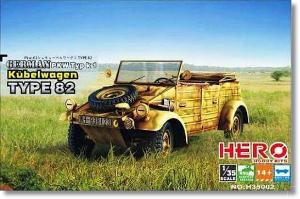
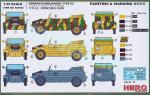
- Kübelwagen Tipo 82. Camuflaje tricolor (Dunkelgelb, Schokobraun, Olivegrün).
- Kübelwagen Tipo 82. Pintado en RAL 7028 Dunkelgelb.
- Kübelwagen Tipo 82. Pintado en RAL 7021 Dunkelgrau.
- Kübelwagen Type 82. Tricolor camouflage (Dunkelgelb, Schokobraun, Olivegrün).
- Kübelwagen Type 82. Painted in RAL 7028 Dunkelgelb.
- Kübelwagen Type 82. Painted in RAL 7021 Dunkelgrau.
INSTRUCCIONES – INSTRUCTIONS:
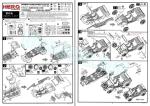
- Hoja A4 impresa en blanco y negro. Contiene un plano de piezas y 5 vistas del montaje. La cara trasera de la caja muestra perfiles y listas de pinturas de AK Interactive, Mr Color y Tamiya.
- A4 sheet printed in black and white. It shows a parts diagram and 5 views of the assembly. The back side of the box contains profiles and lists of paints from the AK Interacive, Mr Color and Tamiya ranges.
LO MEJOR – THE BEST:
- Montaje sencillo en apariencia.
- Apparent ease of assembly.
LO PEOR – THE WORST:
- Ciertos detalle muy evidentes omitidos o mal representados. Puertas traseras cerradas. Errores en la matrícula.
- Some very evident details missing or poorly reproduced. Rear doors molded closed. Mistake in the number plates.
VALORACIÓN – CONCLUSION:
- Tiene errores claros, omisiones evidentes y hasta descuidos de bulto, pero también lo básico para hacer un Kübelwagen si no se es exigente con un detalle que se puede mejorar sin arduo esfuerzo.
- It has clear mistakes, obvious omissions, and even careless features, but it also covers the basics for building a Kübelwagen if the modeler is not picky about a detail that can be improved without much effort.

La maqueta
Hero Hobby Kits (HHK en adelante) es otra marca china de reciente aparición en el mercado, aunque no cuenta aún con un catálogo muy nutrido. Este Kübelwagen Tipo 82 fue su estreno como fabricante de maquetas y su molde vino unirse a otros en la escala 1/35 bien conocidos durante años, como los de BeGo (empleado por Dragon y Hasegawa), Tamiya o Italeri. El pasado 2024 también Meng Model se unió al grupo con otro molde de su cosecha.
De esta maqueta HHK ha hecho dos reediciones: German PKW Typ k1 Kübelwagen Type 82 Africa Corps (referencia H35004) y PKW Typ k1 Kübelwagen Type 82 2 in 1 + MG34 (referencia H35005). Esta última es algo diferente a las anteriores no sólo en el armamento, sino en otras opciones de montaje que permiten, por ejemplo, colocar las ruedas delanteras giradas.
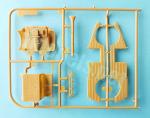
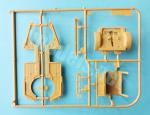
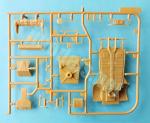
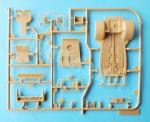
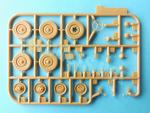
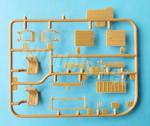
La maqueta comprende cuatro bastidores, una lámina de acetato, las calcas y la hoja de instrucciones. Las piezas tienen un moldeado correcto y de buena definición en general. No hay rebabas, sólo algunos cilindros de salida del eyector y marcas visibles en el interior de las puertas y el suelo del habitáculo que no afectan directamente al detalle, pero que tampoco son muy fáciles de eliminar por su posición.
El despiece y hasta el color del plástico recuerda mucho a la maqueta de Tamiya, que sin duda HHK ha tomado como clara referencia. A primera vista, la maqueta no aparenta especiales dificultades en el montaje considerando que ciertos elementos están incluso más simplificados que en la maqueta del fabricante japonés, como el asiento trasero y el compartimento del motor.
Las opciones de pintura ofrecen tres posibilidades, digamos “genéricas”, que comprenden un vehículo gris, otro de color arena y un tercero camuflado, por diferenciarlos de manera sencilla.
Varios detalles indican que el modelo reproducido por HHK es el fabricado hacia 1943, aunque tiene algunos errores y omisiones. Probablemente, el fabricante he mezclado detalles de distintos momentos de la fabricación en serie del Kübelwagen. Para el modelo de 1943 los radios del capó para soportar la rueda de repuesto deberían ser más cortos y los faros algo más pequeños. HHK también se ha comido las barras paragolpes situados entre los ganchos de remolque delanteros y traseros. Sin embargo, la ausencia de indicadores de giro y los retrovisores son correctos para esta versión. El salpicadero es del modelo anterior a 1943 que se empleó en los nuevos vehículos sin los interruptores para los indicadores de giro que ya no se montaban. El salpicadero muestra correctamente el hueco del interruptor.
Revisión
El suelo de la carrocería viene en dos piezas desiguales en longitud con los guardabarros moldeados en cada una. La parte delantera, más larga, muestra por arriba el suelo del habitáculo con un detalle nítido en las molduras, estropeado un poco por la presencia de cuatro pequeñas marcas positivas que deben limpiarse con cuidado para no dañar el detalle adyacente. En la cara inferior posee molduras más la transmisión con su cubierta y el eje trasero. La pieza trasera muestra el compartimento del motor en el lado superior y parte del motor en la inferior. El detalle del motor es difuso y sólo está definido en los escapes unidos a los silenciadores y lo recubre la placa de deslizamiento provista de huecos para alojar los escapes.
Las dos piezas del suelo se unen con vástagos introducidos en lengüetas moldeadas en la pieza posterior. Los guardabarros poseen una finura razonable y los delanteros llevan los pequeños estribos triangulares junto a la carrocería marcados pero sin horadar. El eje delantero lo componen dos barras de torsión paralelas reforzadas con travesaños y también está cubierto por la placa de deslizamiento delantera.
Las ruedas están fabricadas como las de Tamiya, con la parte interna de la llanta / tambor de freno aparte. Las llantas externas no son malas y diferentes en el eje delantero y trasero. Si se busca una réplica exacta, saldrán pequeños errores evidentes, como el tamaño pequeño de las tuercas en las delanteras y su ausencia en las traseras, así como la excesiva anchura del relieve circular estampado. La banda de rodadura del neumático está bien reproducida, aunque hay una línea de molde casi imperceptible que desaparecerá con un lijado suave.
Las llantas internas también son diferentes en cada eje. En el delantero van unidas al eje mediante ranuras y en las traseras, que muestran los diferenciales bien replicados, insertadas en los ejes. Para no errar en la selección de cada par, las llantas llevan una o dos pestañas según el eje para emparejarlas con la rueda correcta.
Los lados de la carrocería son de una pieza a cada lado e incluyen las puertas traseras y los ganchos de remolque delanteros moldeados en las piezas. Las puertas delanteras vienen aparte y tienen pequeñas marcas negativas que rellenar. Las características molduras estampadas son demasiado finas y las placas remachadas de las bisagras muy pequeñas. Los tiradores están representados in situ sin definición. Las caras externas muestran los huecos para ajustar el gato y las internas las salidas de la calefacción de los asientos delanteros.
El montaje del habitáculo se inicia añadiendo la cubierta de la transmisión, la palanca de marchas y la de freno, ambas finas y delicadas de manipular. Los pedales vienen unidos en una pieza y parecen un tanto pequeños. Los asientos delanteros van montados sobre soportes separados. Las superficies delanteras están texturizadas de forma idéntica por lo que conviene hacerles variaciones, por ejemplo con masilla. Extrañamente, las molduras del panel trasero están bien representadas en uno de los asientos y son casi imperceptibles en el otro, lo que supone un error muy evidente. Sin embargo, se puede enmendar con tiras de plástico muy finas. La barra de asidero tras los asientos está unida a las presillas de los fusiles y tienen los soportes de las culatas moldeados en el suelo.
Como he mencionado, el salpicadero es del tipo inicial con los instrumentos bien reproducidos en relieve. La barra de la dirección hay que pegarla en el interior del morro antes de colocar el capó. El marco del parabrisas es fino y posee los limpiaparabrisas moldeados en la pieza con los motores pegados en el reverso. La maqueta nos proporciona una fina lámina de acetato marcada con sus dimensiones para recortarla y las instrucciones muestran una plantilla para recortarla a medida. Tras haberlo comprobado, encuentro que la altura es correcta, pero la longitud de la plantilla se queda corta en poco más de 1 mm. Por esto, es mejor desechar la plantilla y recortar el parabrisas con las dimensiones que trae para ajustarlo al marco.
El capó incluye también la parte frontal de la carrocería con la placa de matrícula sin definir. La pieza muestra los radios de soporte de la rueda de repuesto, muy largos para un vehículo producido en 1943, y tiene el tapón del conducto de llenado del depósito por separado. El lado inferior cuenta con el depósito de combustible. La parte delantera del vehículo contiene piezas para representar los faros, el claxon, los retrovisores, el faro Notek y la pala con su abrazadera.
El compartimento del motor y el asiento trasero vienen unidos. El asiento es pasable y está bien texturizado. La parte posterior tiene grabado la tapa moldurada del compartimento superior. El toldo está plegado con cinchas y texturizado y el bastidor consiste en dos piezas pegadas a los lados. La tapa del motor y las molduras situadas por encima y debajo de ella cubren la parte trasera. La moldura superior carece de las rejillas de ventilación del motor y la inferior lleva los ganchos de remolque aparte. El detalle de la parte posterior de la carrocería se completa con la placa de matrícula más unas luces Notek acaso demasiado pequeñas. Faltan tanto el reflectante como la barra trasera situada entre los ganchos de remolque.
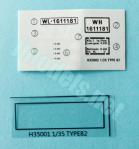
La hoja de calcas es mínima y sólo trae un juego de matrículas, marcas tácticas y la placa de datos técnicos. Los motivos tienen una apariencia fina y brillante y carecen de exceso de soporte. Las placas de matrícula muestran descuido, ya que tienen idéntica numeración pero distintas letras en la delantera (WL, Wehrmacht-Luftwaffe) y en la trasera (WH, Wehrmacht-Heer).
Las instrucciones consisten en una hoja de formato A4 impresa en blanco y negro que contiene un plano de piezas y cinco pasos del montaje. La cara trasera de la caja muestra perfiles y listas de pinturas de AK Interactive, Mr Color y Tamiya, estas últimas sin el nombre del fabricante.
En general las vistas del montaje son claras, pero algunas no son obvias y sugieren que el montaje hay que hacerlo sin prisa, comprobando concienzudamente la posición de ciertas piezas antes de pegarlas definitivamente.
Valoración
Esta edición no supone una mejora respecto a otros Kübelwagen en la escala 1/35 y resulta incluso inferior a las maquetas de Tamiya o Dragón, sin dejar de considerar que estas tampoco son sobresalientes.
Ponderándolo todo, la maqueta de HHK es factible, no parece difícil de armar y contiene al menos los elementos básicos para parecerse a un Kübelwagen, pero desgraciadamente hay detalles evidentes mal reproducidos, claras omisiones y descuidos que el fabricante podría haber evitado de ser más riguroso.
Si el modelista ya tiene esta maqueta en su almacén, no creo que deba desecharla, ya que parte de estas deficiencias son subsanables a nada que tenga habilidades básicas y ciertas horas de vuelo en refinar lo que los fabricantes se dejan por el camino.◊

The kit
Hero Hobby Kits (HHK) is another Chinese company that has recently appeared on the market, although it doesn’t have an extensive catalog. This Kübelwagen Type 82 was their debut as a kit manufacturer, and the new tool added to other well-known 1/35 scale ones, such as those from BeGo (copied by Dragon and Hasegawa), Tamiya, and Italeri. In 2024, Meng Model also joined the group with another tool of their own.
HHK have reissued this kit in two boxings: German PKW Type k1 Kübelwagen Type 82 Africa Corps (reference H35004) and PKW Type k1 Kübelwagen Type 82 2-in-1 + MG34 (reference H35005). The latter is somewhat different from the previous releases, not only in the armament but also in other assembly choices that allow, for example, the front wheels to be rotated.
The kit includes four sprues, an acetate sheet, the decals, and the instruction sheet. Parts are correctly molded and generally well defined. There is no flash, only a few plastic nodes and visible marks on the inside of the doors and the cabin floor that don’t directly affect detail, but aren’t easy to clean up.
Parts breakup and even the color of plastic are very reminiscent of Tamiya counterpart, which HHK has clearly taken as a reference. At first glance, the kit doesn’t seem particularly difficult to build, considering that some pieces are even more simplified than those in the Japanese manufacturer’s kit, such as the rear seat and the engine compartment.
Paint finishes offer three, so to speak, «generic» possibilities, comprising a gray vehicle, a sand-colored one, and a camouflaged third, for easy differentiation.
Several details indicate that the variant rendered by HHK is the one manufactured around 1943, although it has some mistakes and omissions. The manufacturer has likely mixed details from different stages of the Kübelwagen’s series production. For the 1943 model, the hood spokes to carry the spare wheel should have been shorter and the headlights slightly smaller. HHK has also omitted the crossbars located between the front and rear tow hooks. However, the absence of turn signal indicators and the rear view mirrors provided are correct for this version. The dashboard is from the pre-1943 model used on newer vehicles without the turn signal switches that were no longer fitted. The dashboard correctly shows the empty switch.
Review
The body floor comes in two pieces with the fenders molded on each. The longer front section shows the cab floor on the upper side with sharp detail in the moldings, a bit spoiled by four small positive marks that need to be carefully cleaned up to avoid damaging adjacent detail. The lower side features moldings plus the transmission cover and the rear axle. The rear section shows the empty engine compartment on the upper side and part of the engine on the lower side. The engine detail is a bit soft and only defined in the separate exhausts attached to the silencers. The engine skid plate is separate and has square gaps to place the exhausts.
The two floor pieces are joined by rods inserted into locating lugs molded on the rear piece. The fenders are reasonably thin, and the front ones have the small fender steps next to the body with engraved, instead of drilled out, holes. The front axle consists of two parallel torsion bars reinforced with cross members and is also covered by the front skid plate. The wheels are similar to those included in Tamiya Kübelwagen, with the inner rim/brake drum separate. The outer rims are not bad and differ on the front and rear axles. If you’re looking for an exact replica, you’ll notice some minor mistakes, such as the small size of the lugs on the front and the lack of them on the rear, as well as the excessive width of the raised stamped ring. The tire tread is well reproduced, although there is a slight seam line that will disappear with light sanding.
The inner rims are also different on each axle. The front ones are attached to the axle by slots, and the rear ones, which show correct differentials, are inserted into the axles. To avoid mistakes when selecting each pair, the rims have one or two tabs, depending on the axle, to match them with the correct wheel.
The body sides are one piece and include the rear doors and front tow hooks molded on the pieces. The front doors are provided separately and have small negative marks that need to be filled. The characteristic stamped moldings on the body are too thin, and the riveted hinge plates too small. The door handles are rendered in place without definition. The outer surfaces show the rocker panels holes for the jack, and the inner surfaces show the front seats heater outlets.
Interior assembly begins with the addition of the transmission cover, gear and brake levers, both thin and brittle. The pedals are joined in a single piece and look a bit small. The front seats are placed on separate base frames. The front surfaces are textured identically, but filler can be used to get some variation. Strangely, the rear frame strips are well represented on one seat but are almost imperceptible on the other, which is a very obvious mistake that can be corrected with very thin plastic strips. The bar behind the seats is molded with the rifle brackets and has the butt brackets molded on the floor.
As mentioned, the dashboard is the early type, with nice raised gadgets. The steering column is attached inside the trunk. The windshield frame is thin and has the wipers and motors molded on. The kit provides a thin acetate sheet printed with the windshield dimensions. The instructions include a template for cutting it to size. After checking both the acetate piece and the template dimensions, I found out that the height is correct, but the length of the template is just over 1 mm short. Therefore, it seems best to discard the template and cut out the acetate windshield to fit the frame.
The hood also includes the front body without a piece for the license plate. The piece shows the spokes of the spare wheel mount, which are very long for a vehicle produced in 1943, and a separate fuel filler cap. The underside features the fuel tank. The front of the vehicle is detailed with the headlights, horn, rear view mirrors, the Notek headlight, and the shovel with its bracket.
The stowage/engine compartment and rear seat are one piece. The seat is textured and don’t look too bad. The stowage compartment panel has an engraved lid. The canvas is folded and textured and the frame consists of two pieces glued to the sides. The rear body comprises the engine cover and panels above and below it. The upper panel lacks the vents, and the lower molding has separate tow hooks. The rear body also features the license plate and too small Notek lights. The rear crossbar and the reflector are missing.
The decal sheet is minimal and includes only a set of license plates, tactical markings, and the technical data plate. Decals have a fine, glossy appearance and don’t have too much carrier. The license plates are carelessly printed, with identical numbers but different codes on the front (WL, Wehrmacht-Luftwaffe) and back (WH, Wehrmacht-Heer).
The instructions consist of an A4 sheet printed in black and white containing a parts plan and five assembly steps. The back of the box shows profiles and paint lists from AK Interactive, Mr. Color, and Tamiya, the latter without the manufacturer’s name.
Overall, the assembly views are clear, but some are not obvious and this suggests that construction will need a careful check of parts positioning before final attachment.
Conclusion
This release isn’t an improvement over other 1/35 Kübelwagens and looks even inferior to Tamiya or Dragon kits, and these aren’t outstanding either.
All things considered, the HHK kit is feasible, doesn’t seem difficult to build, and contains at least the basic elements to resemble a Kübelwagen. Unfortunately, there are obvious mistakes, poorly reproduced details, and clear omissions that the manufacturer could have avoided with more attention.
If the modeler already has this kit in his stash, I don’t think he should discard it, as some of these deficiencies can be remedied with basic modeling skills and a certain amount of flying time spent refining what the manufacturers overlook.◊
Publicado – Published: 9 / 2025
©www.jmodels.net
 jmodels.net
Debe estar conectado para enviar un comentario.